Info
- Digital artwork by Olio Imaginarium
- A series of 58 digital artworks
- Year: 2024
Artwork In brief
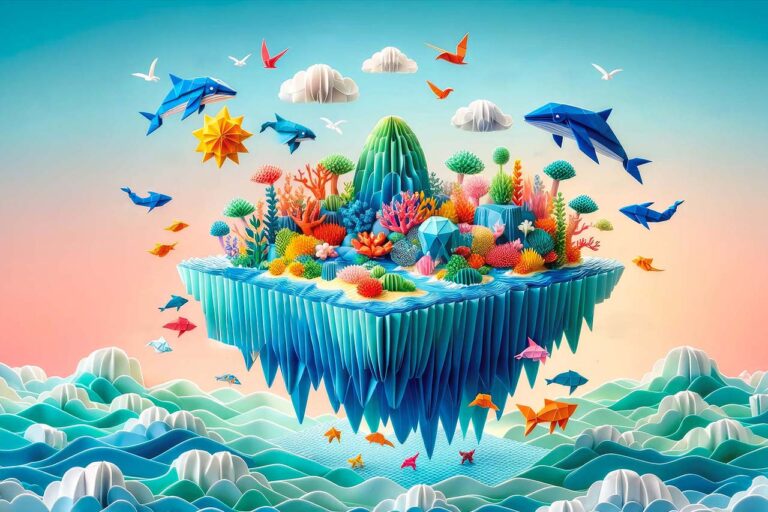
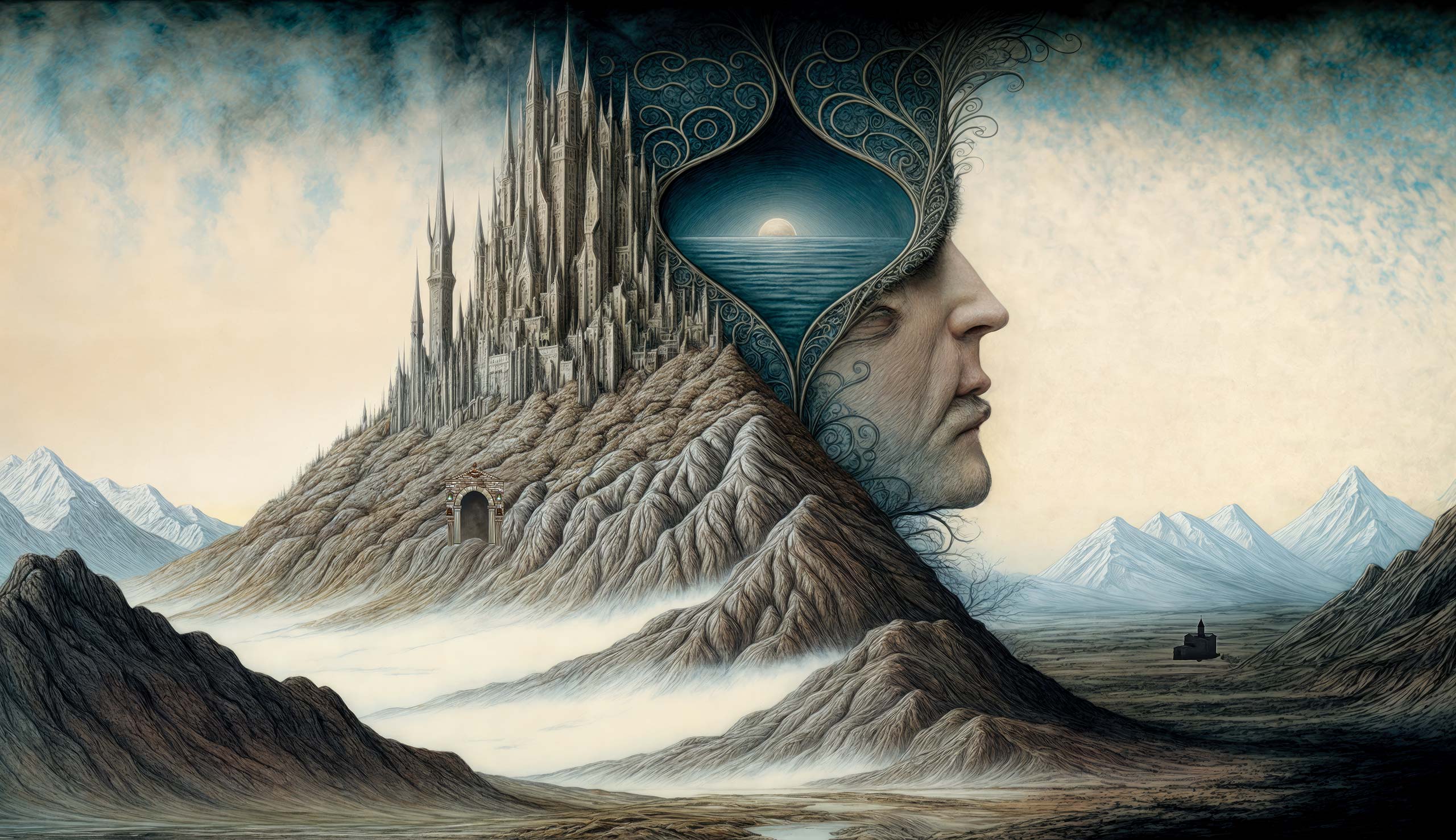
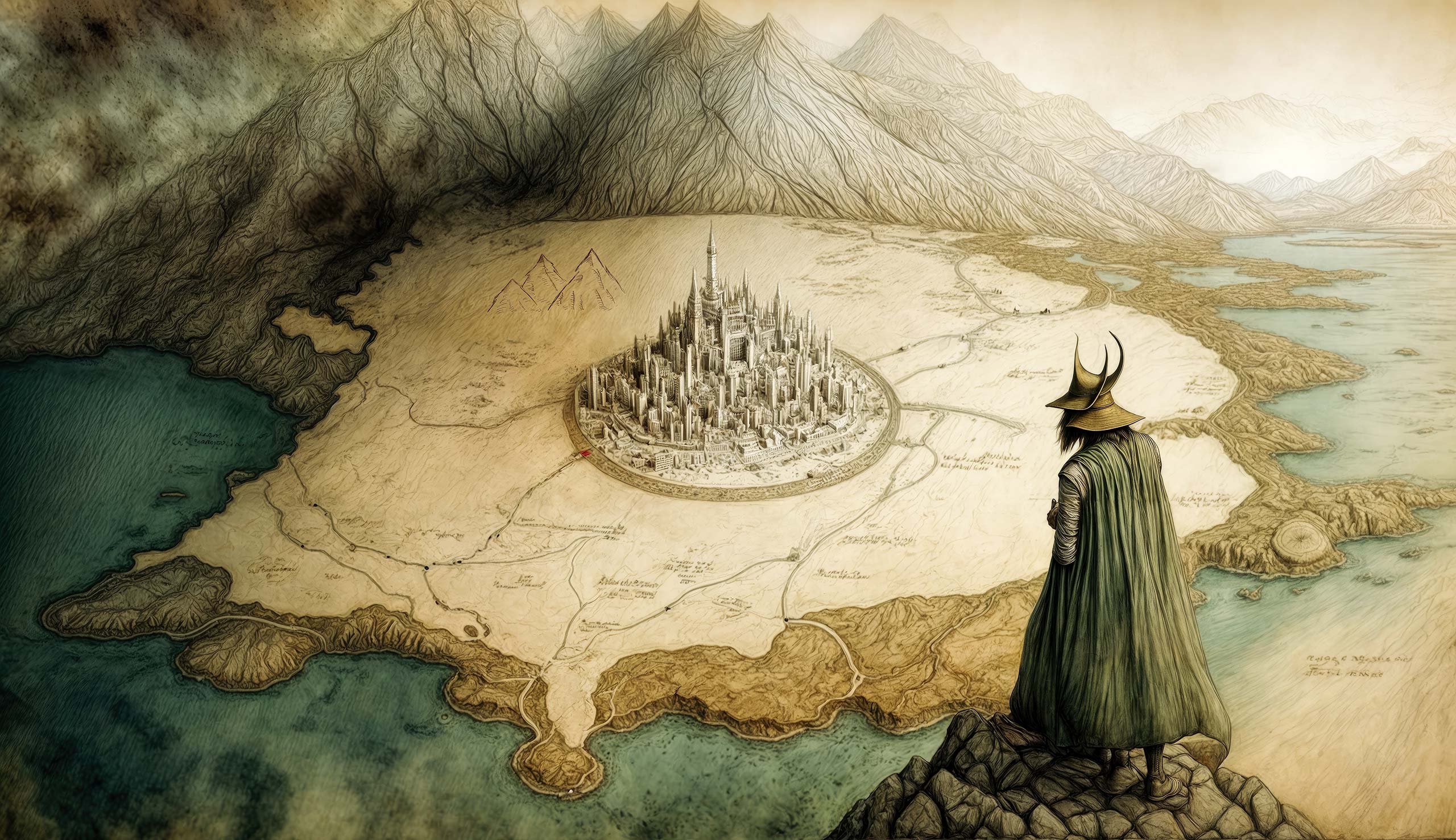
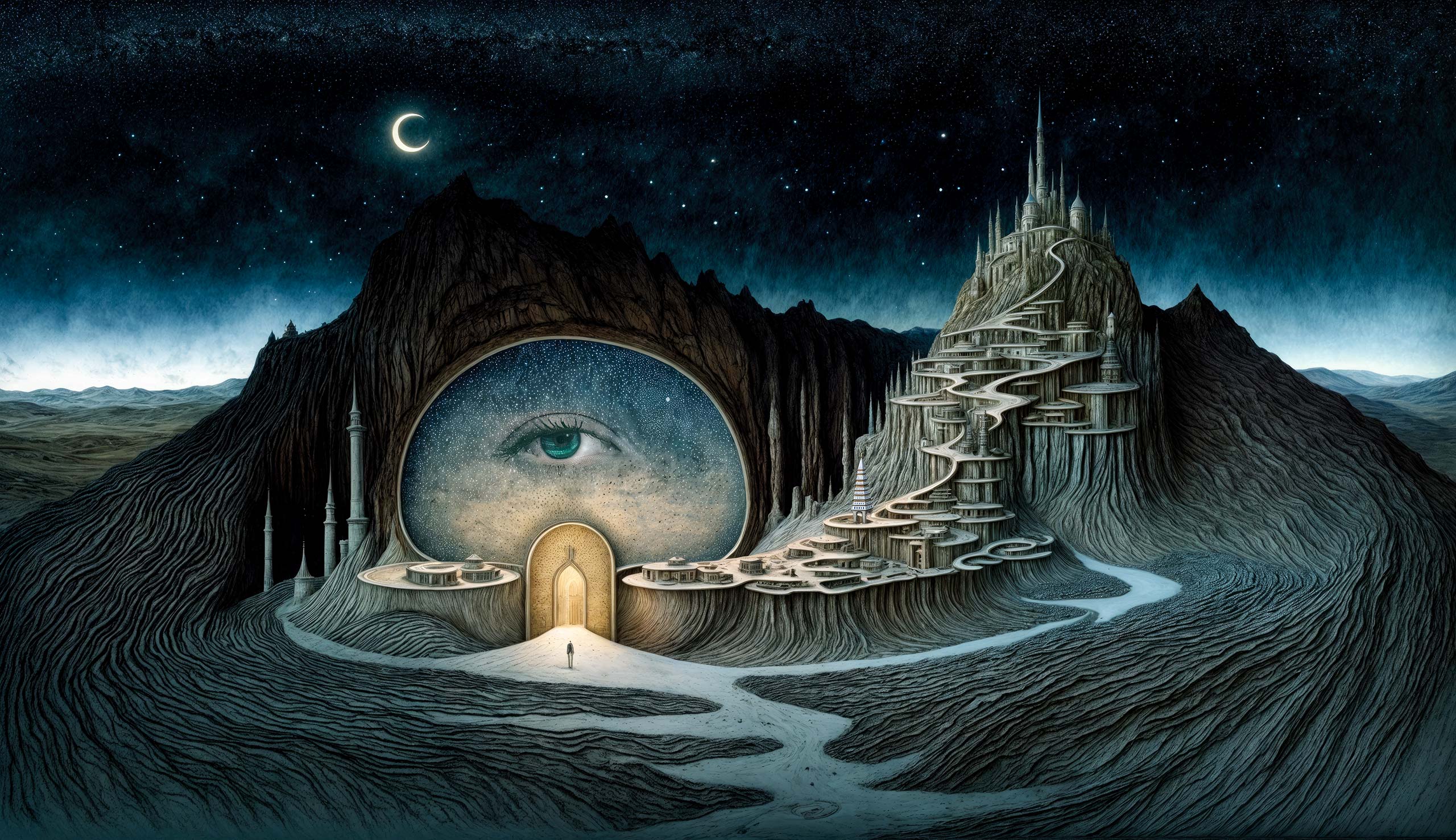
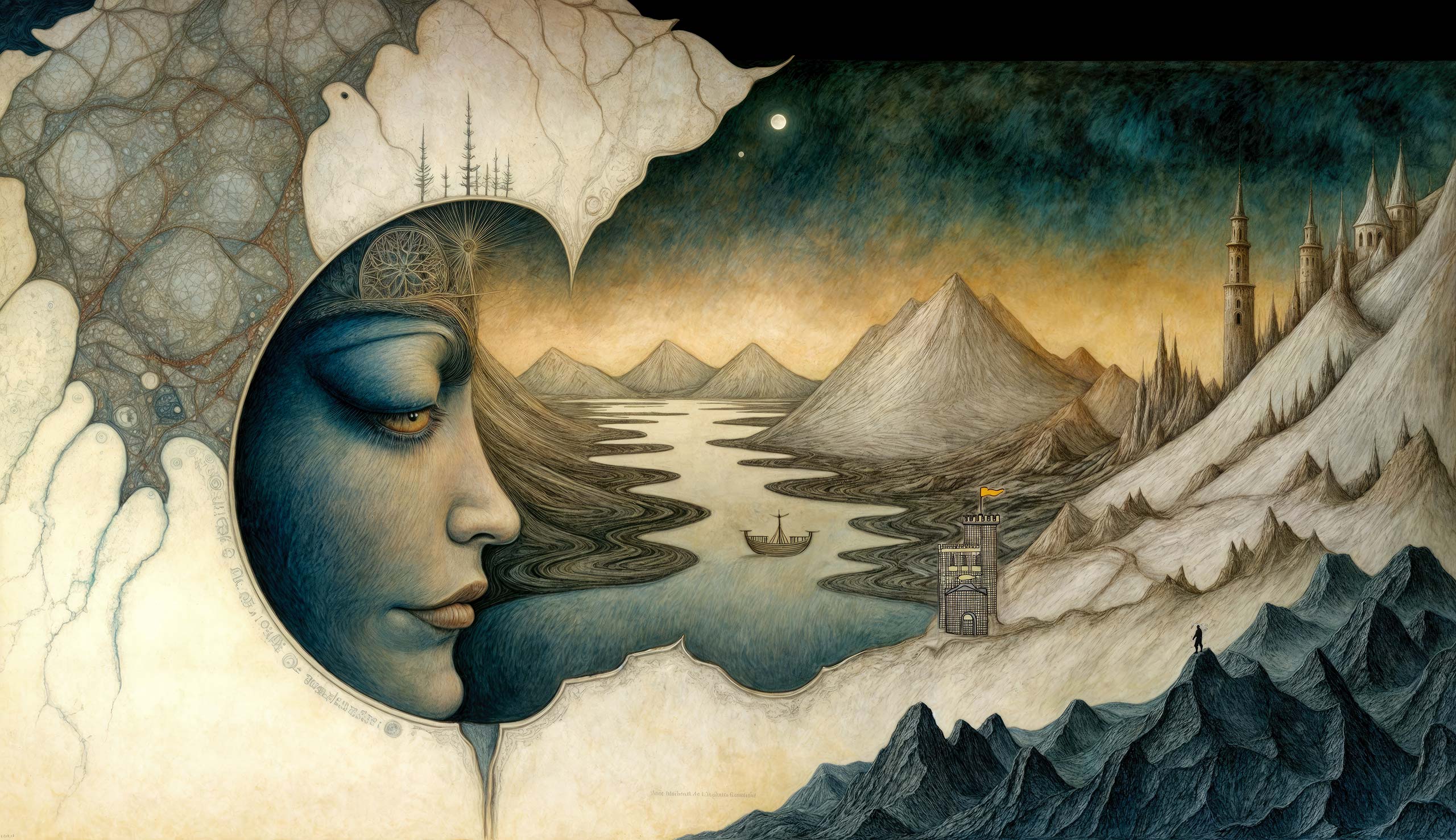
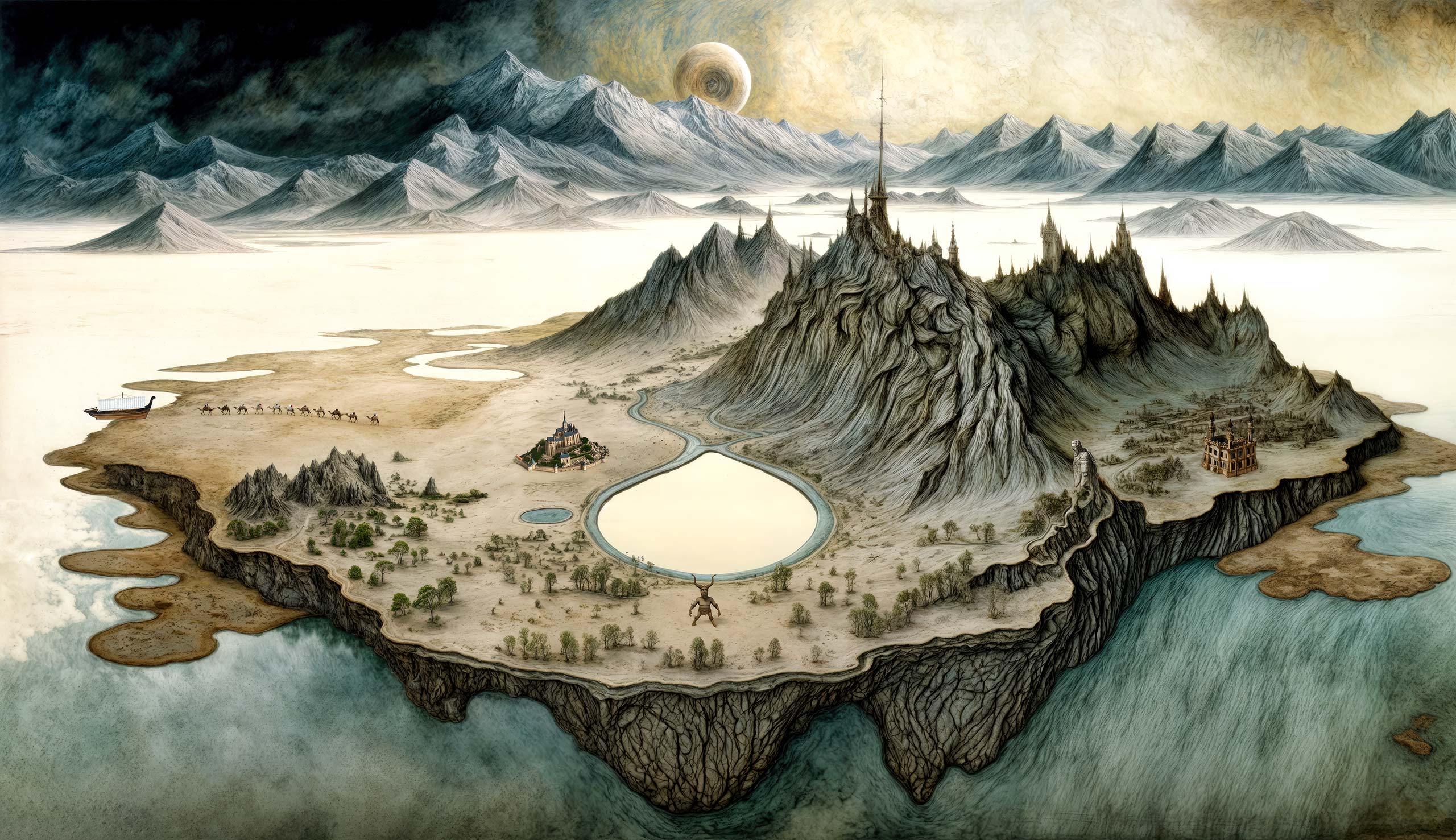
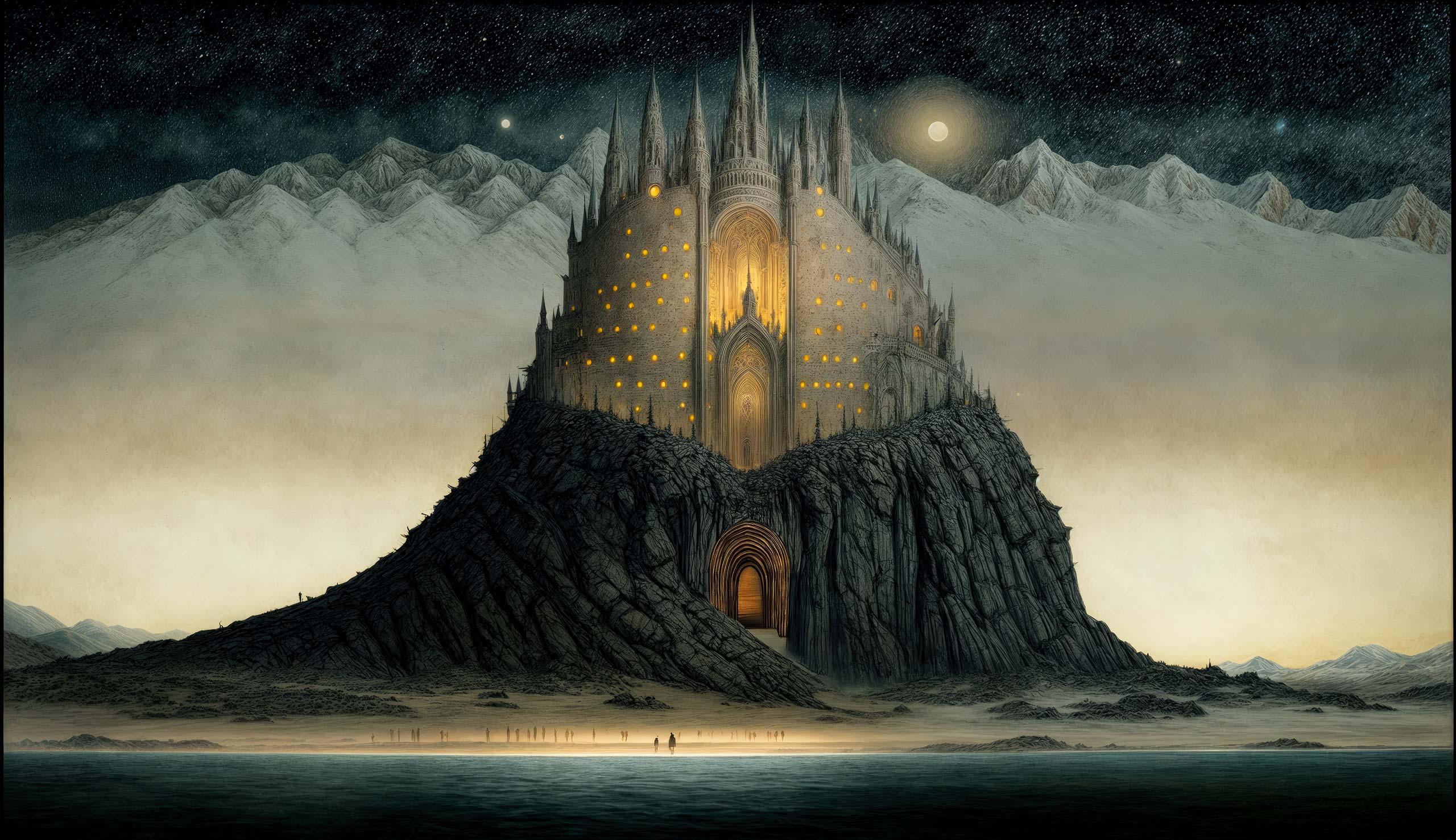
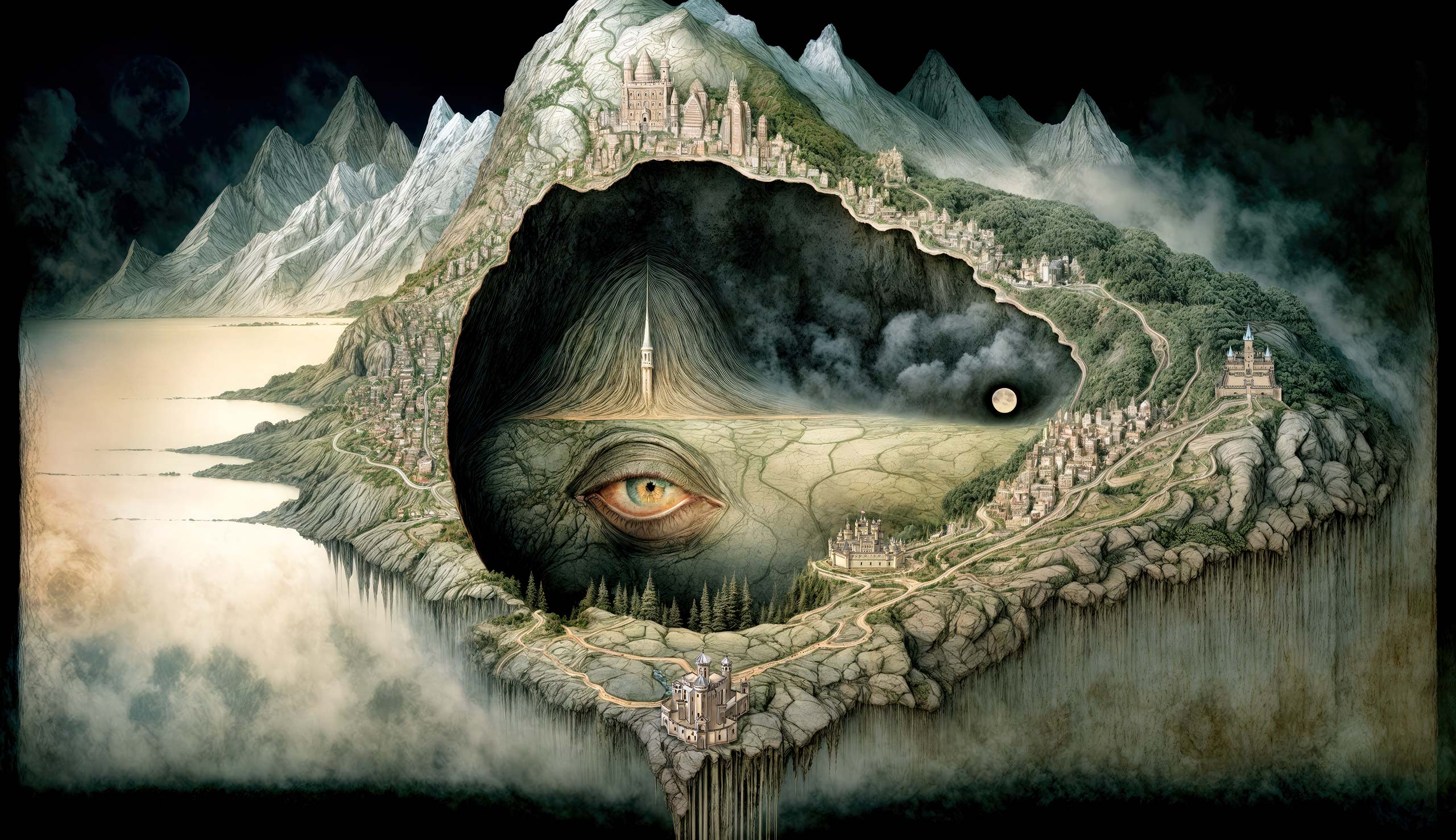
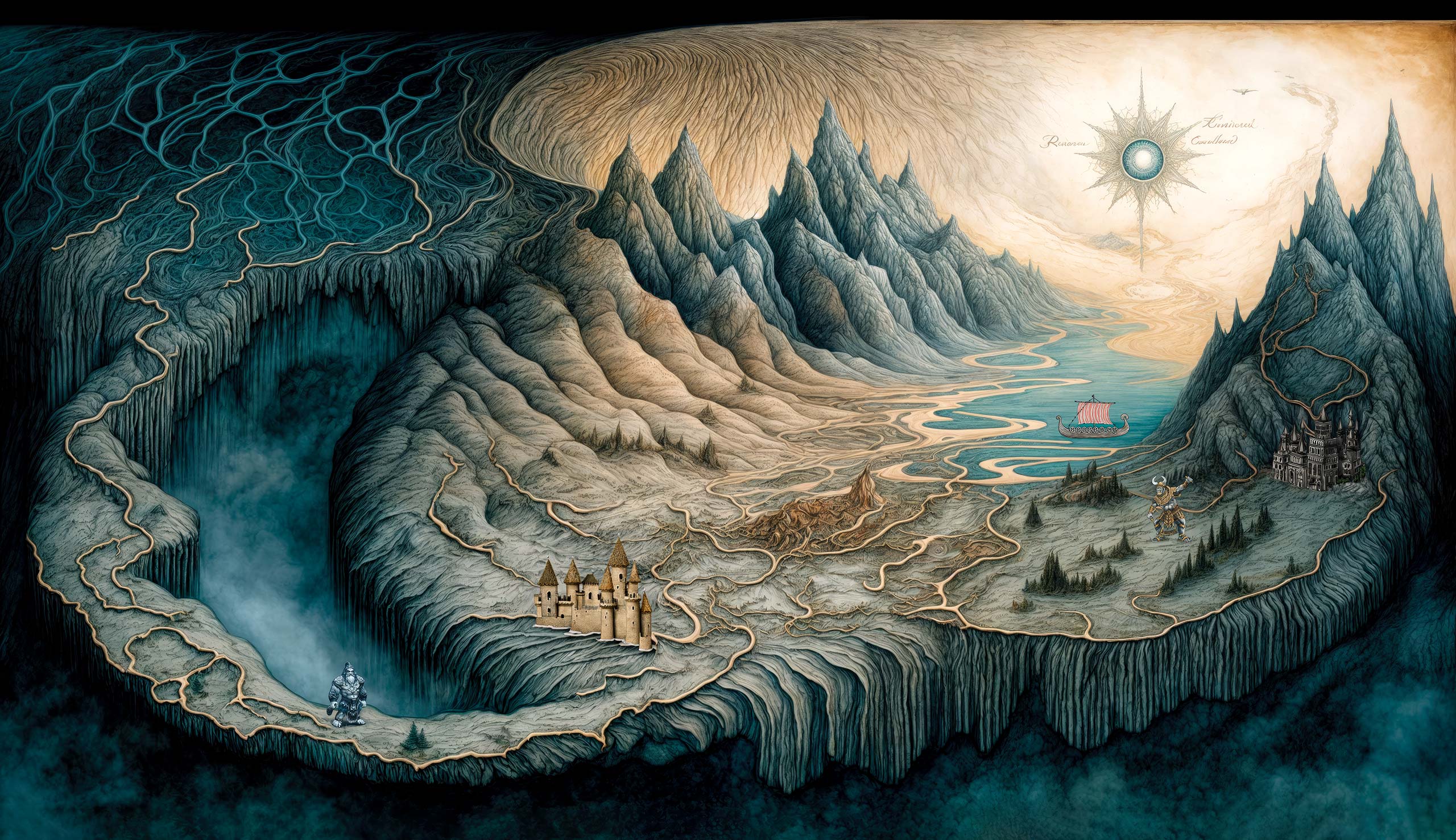
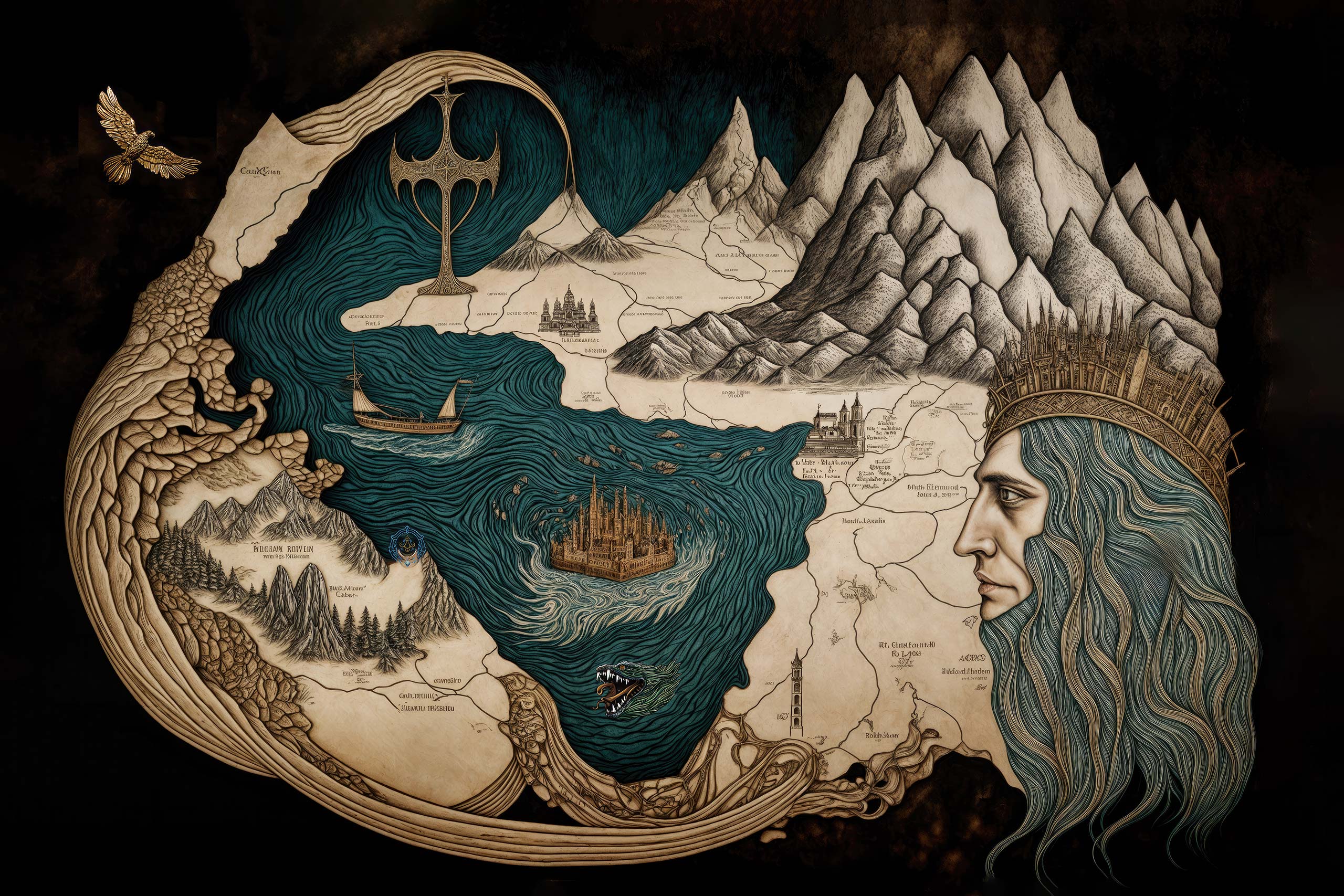
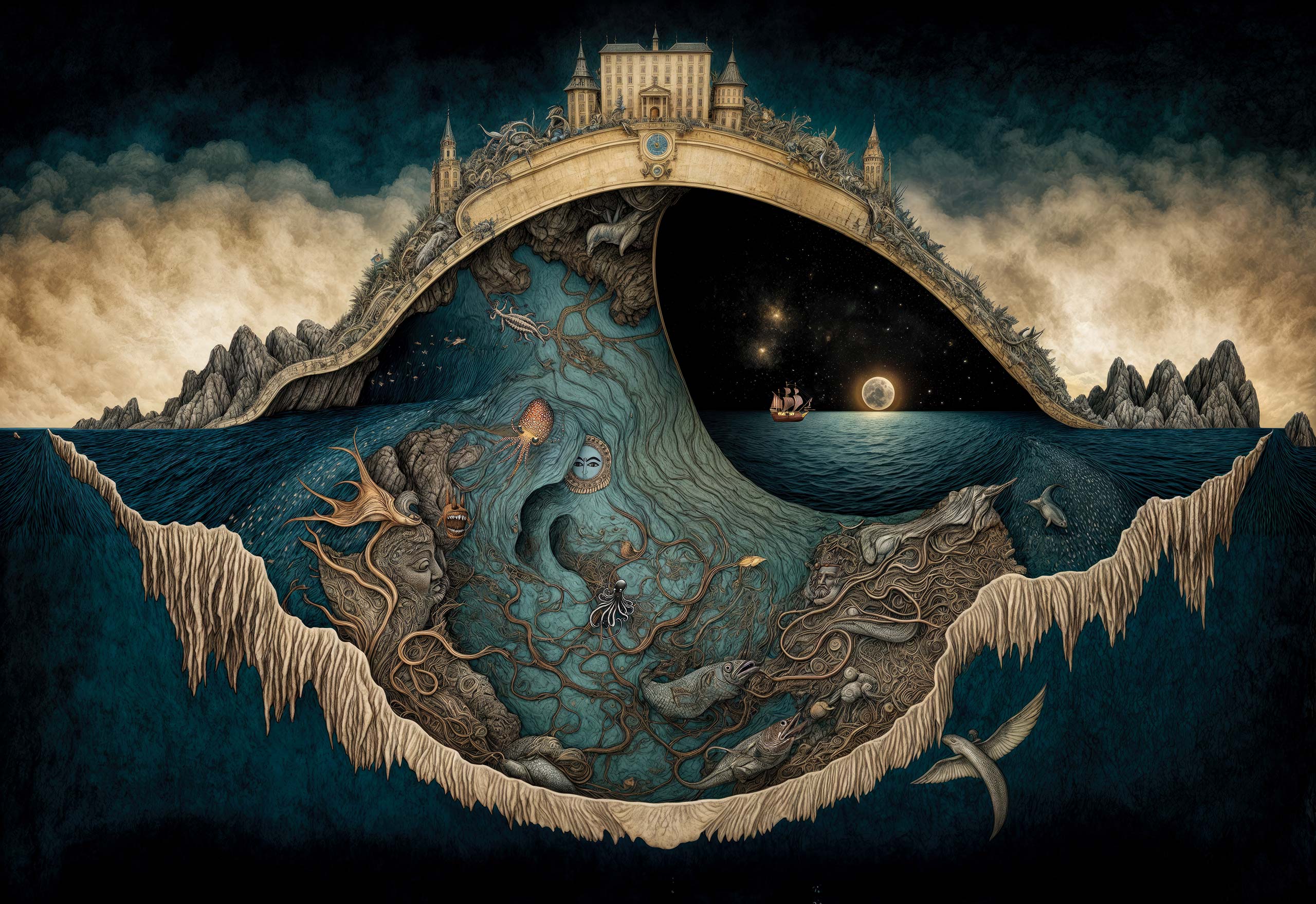
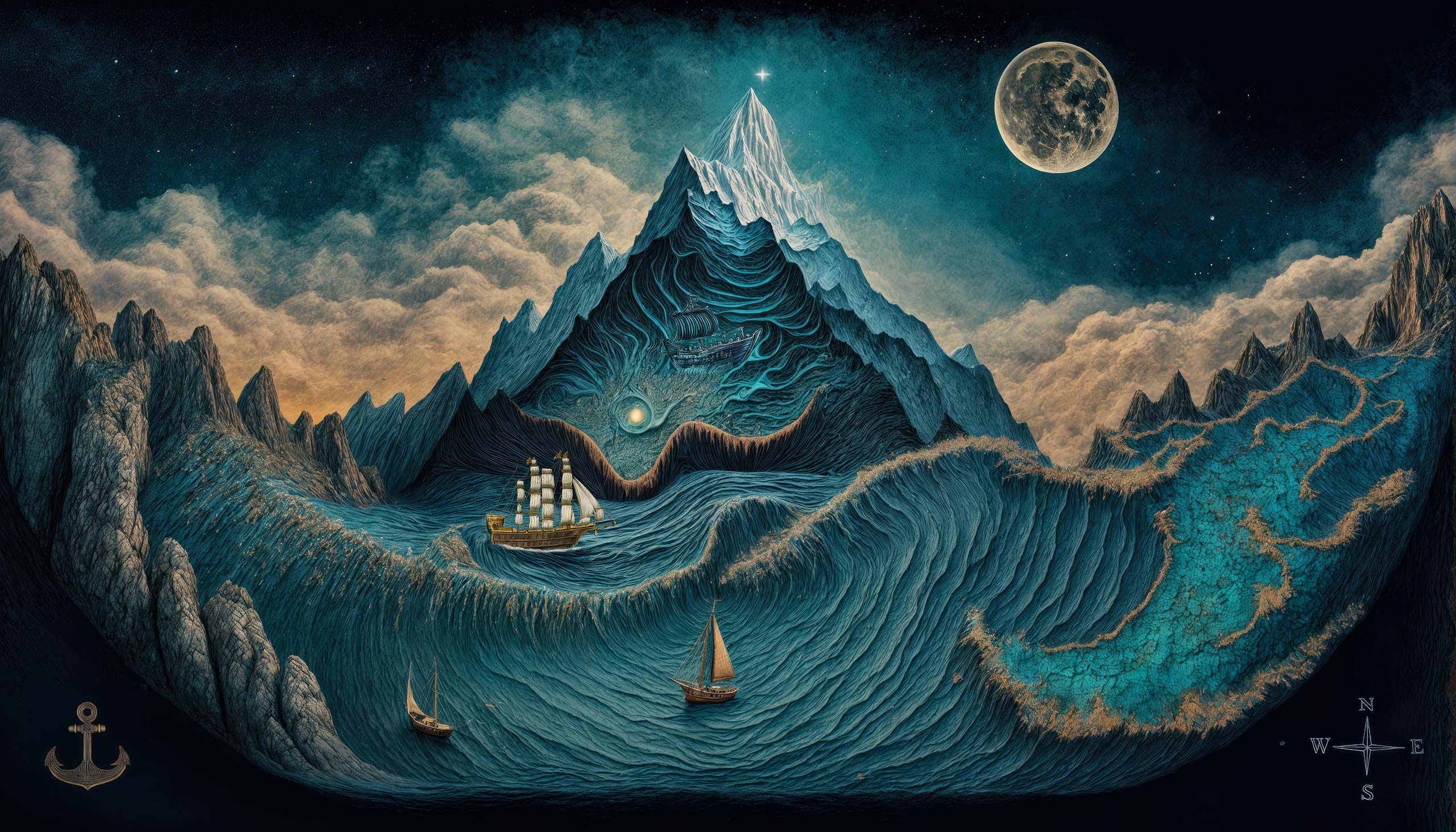
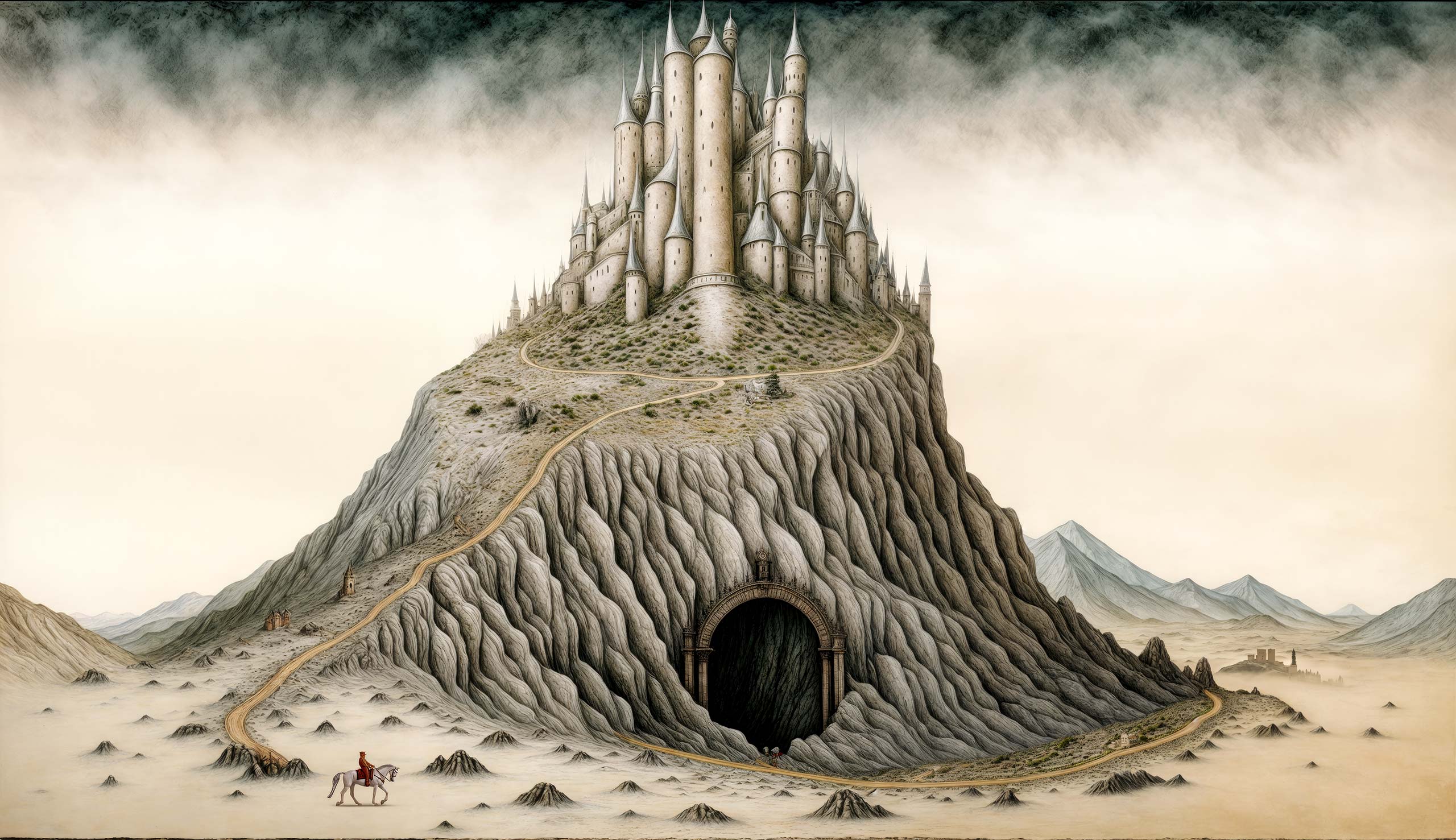
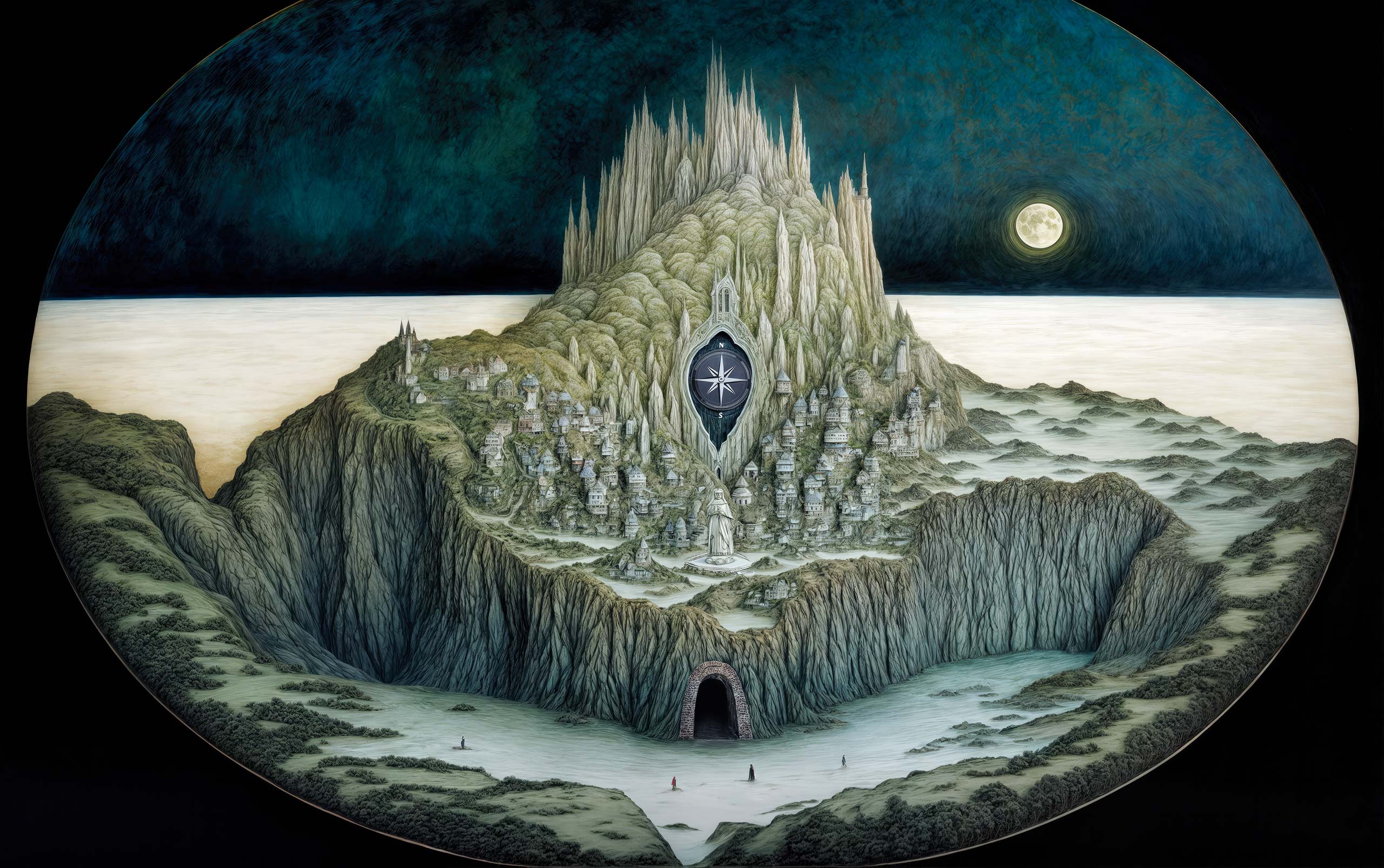
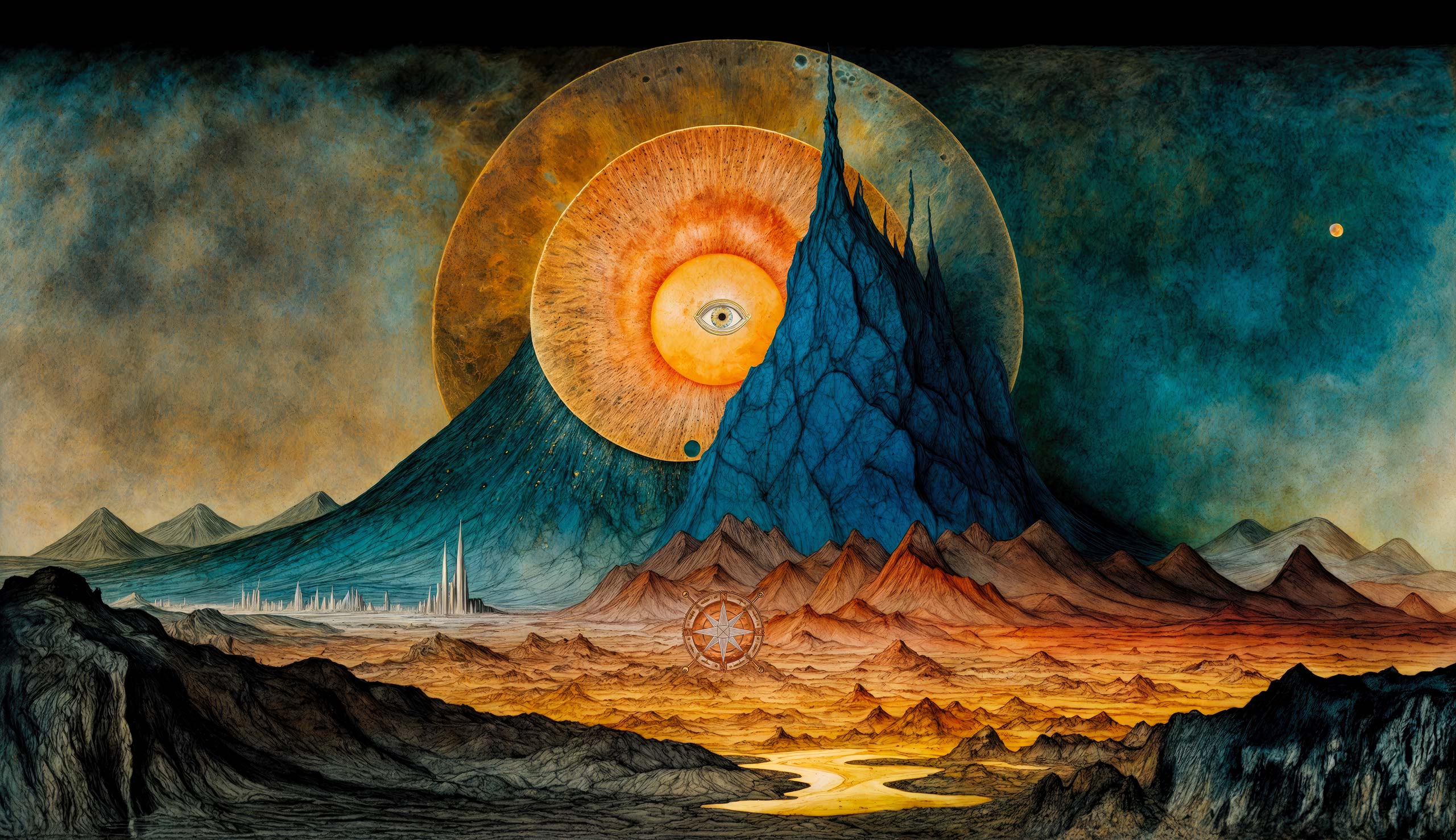
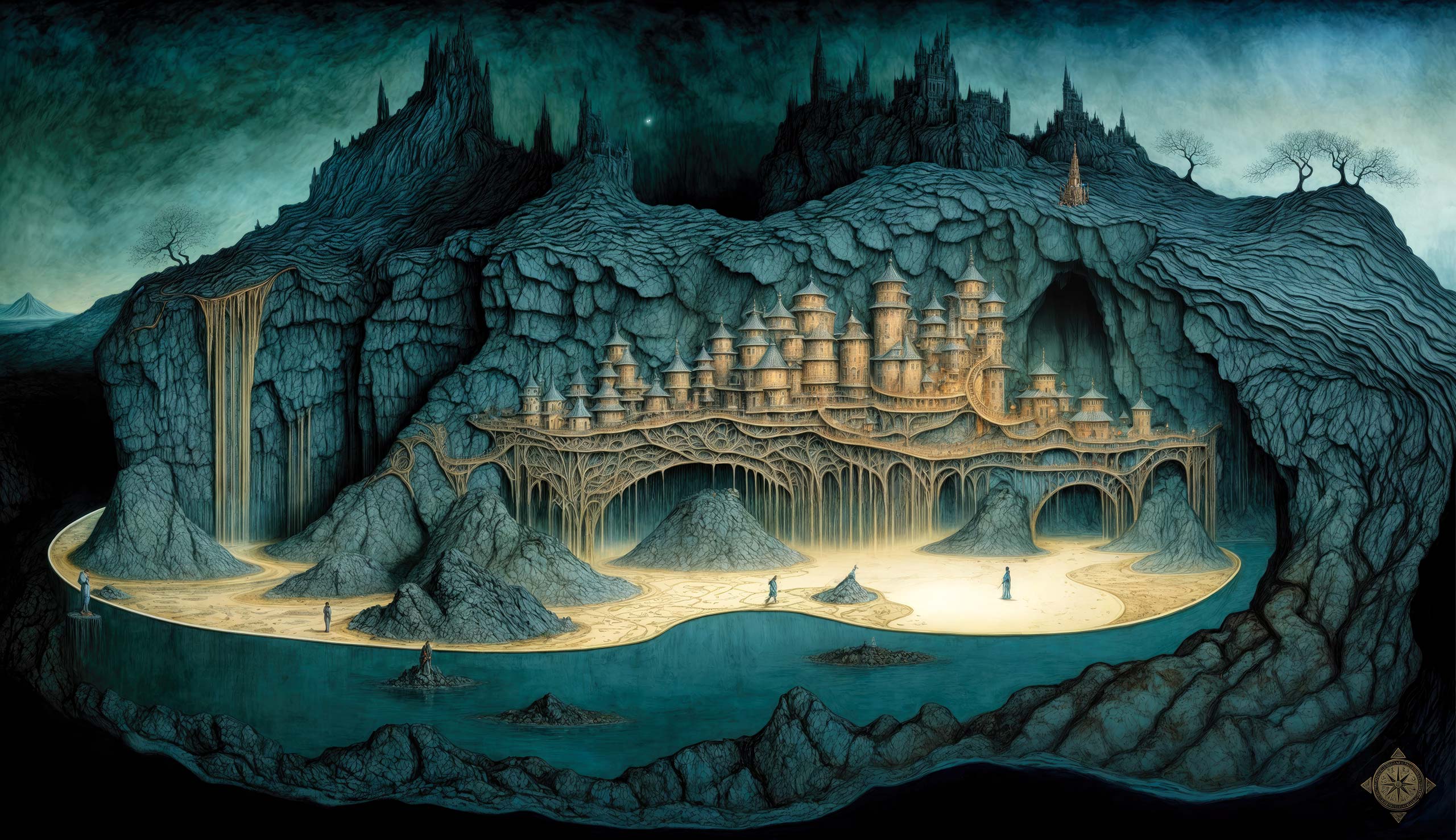
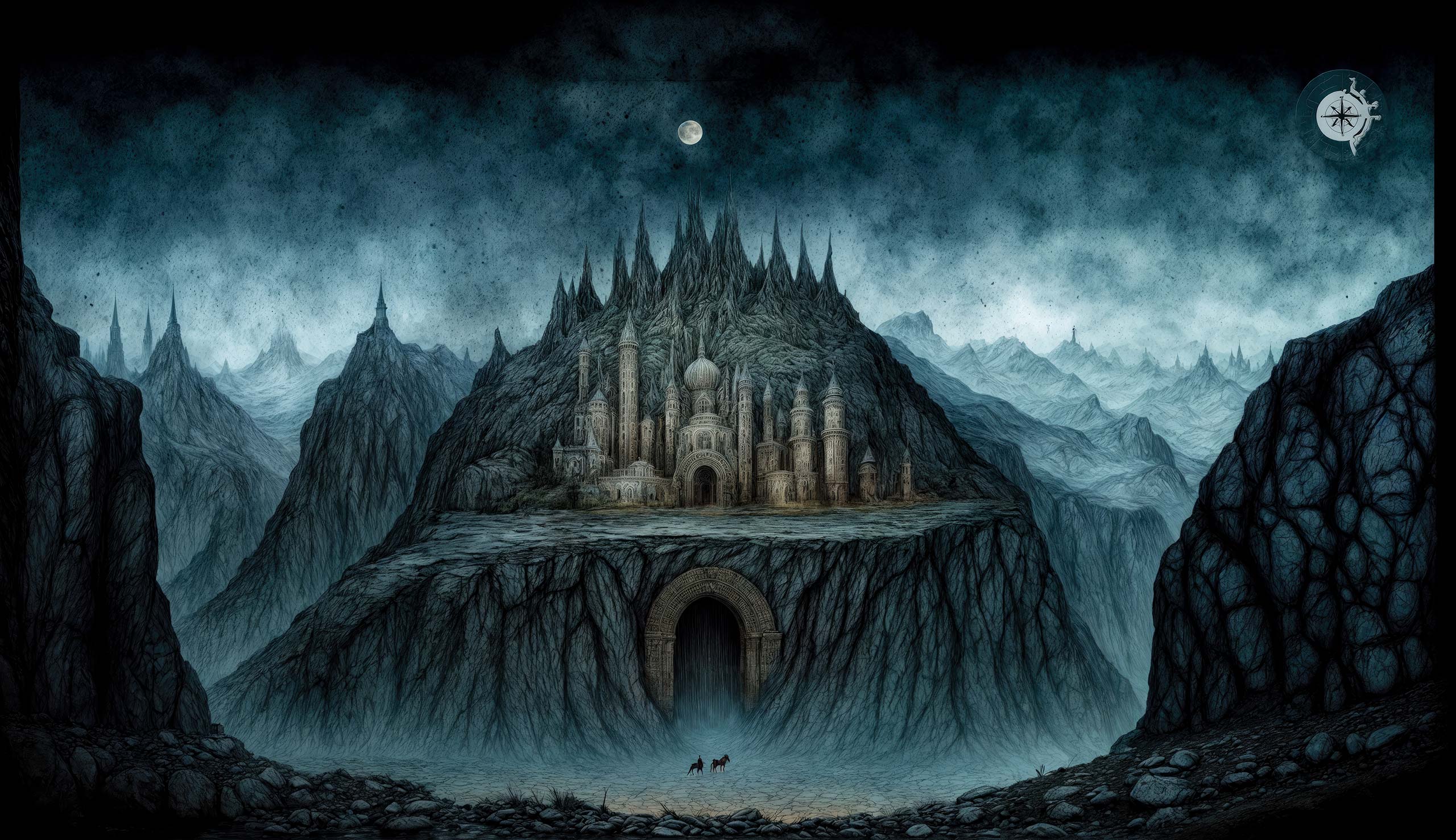
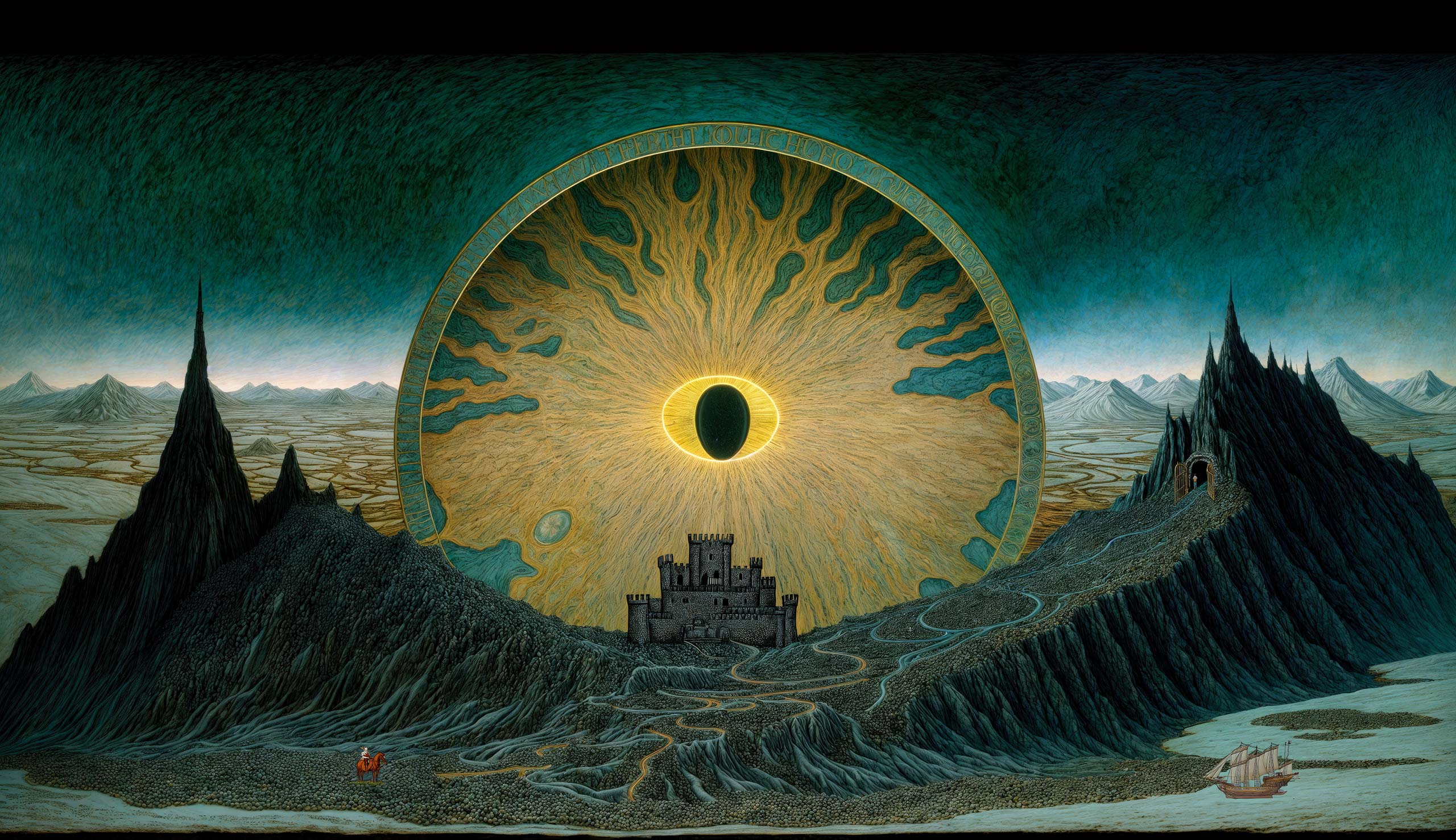
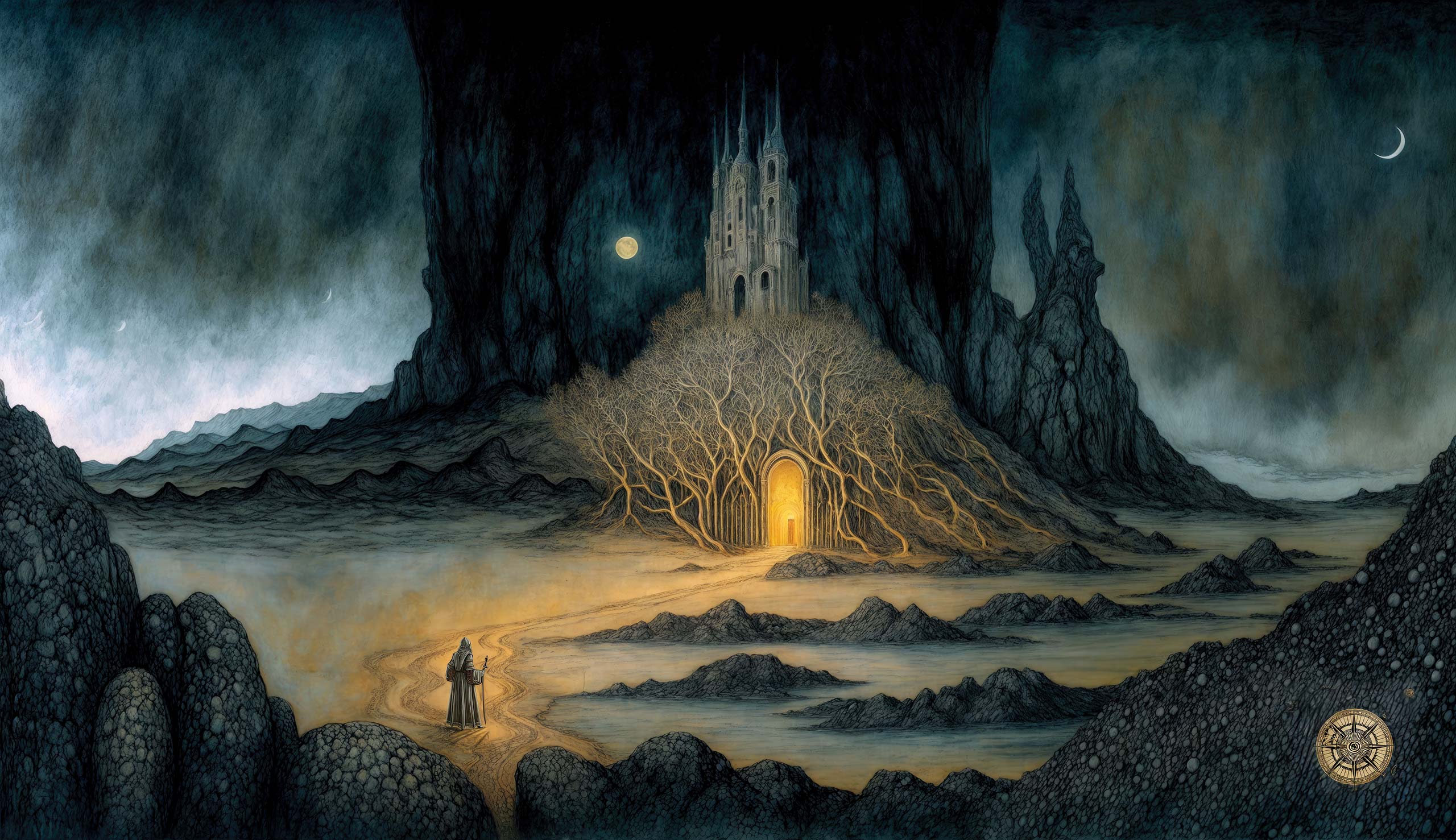
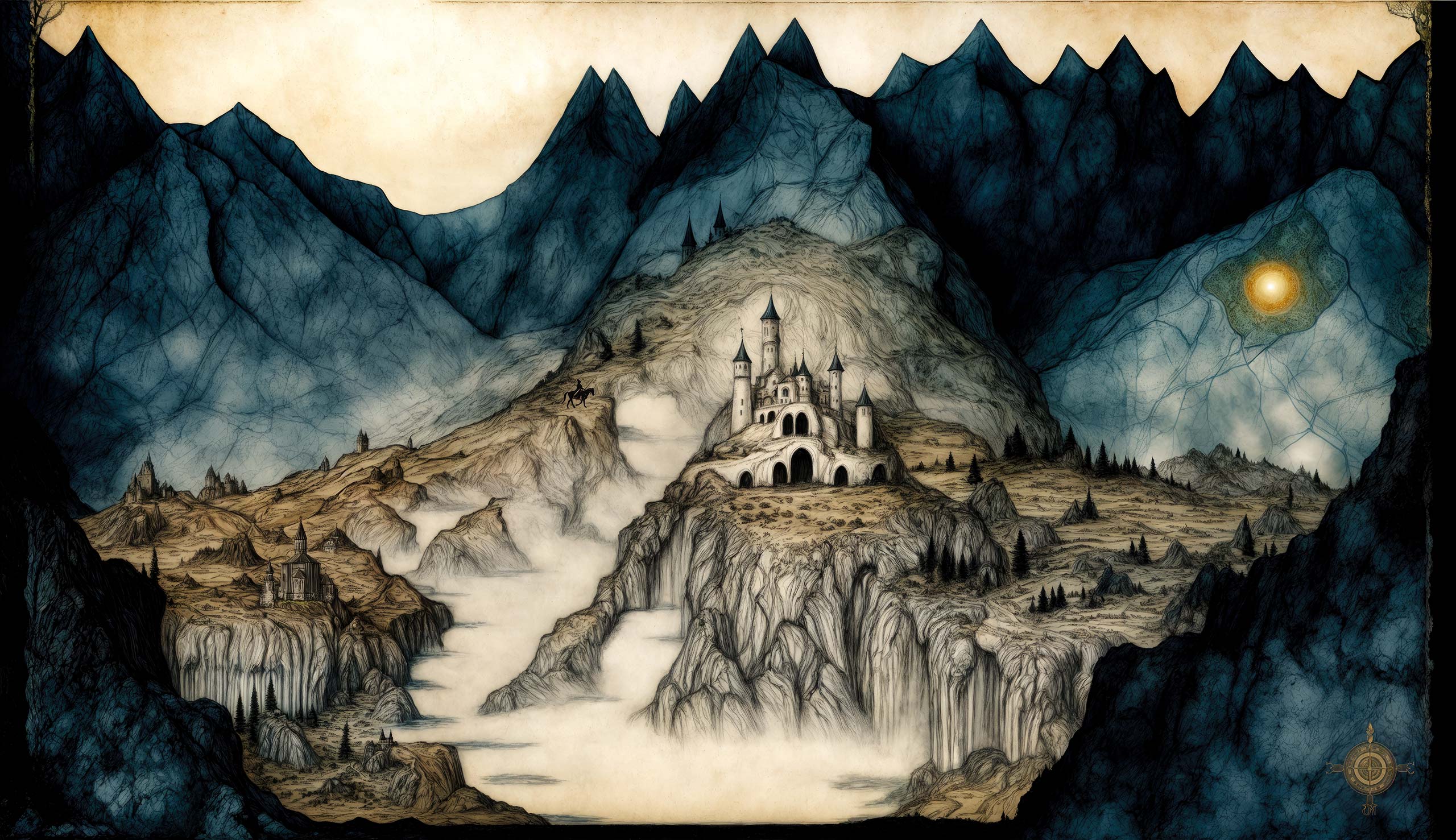
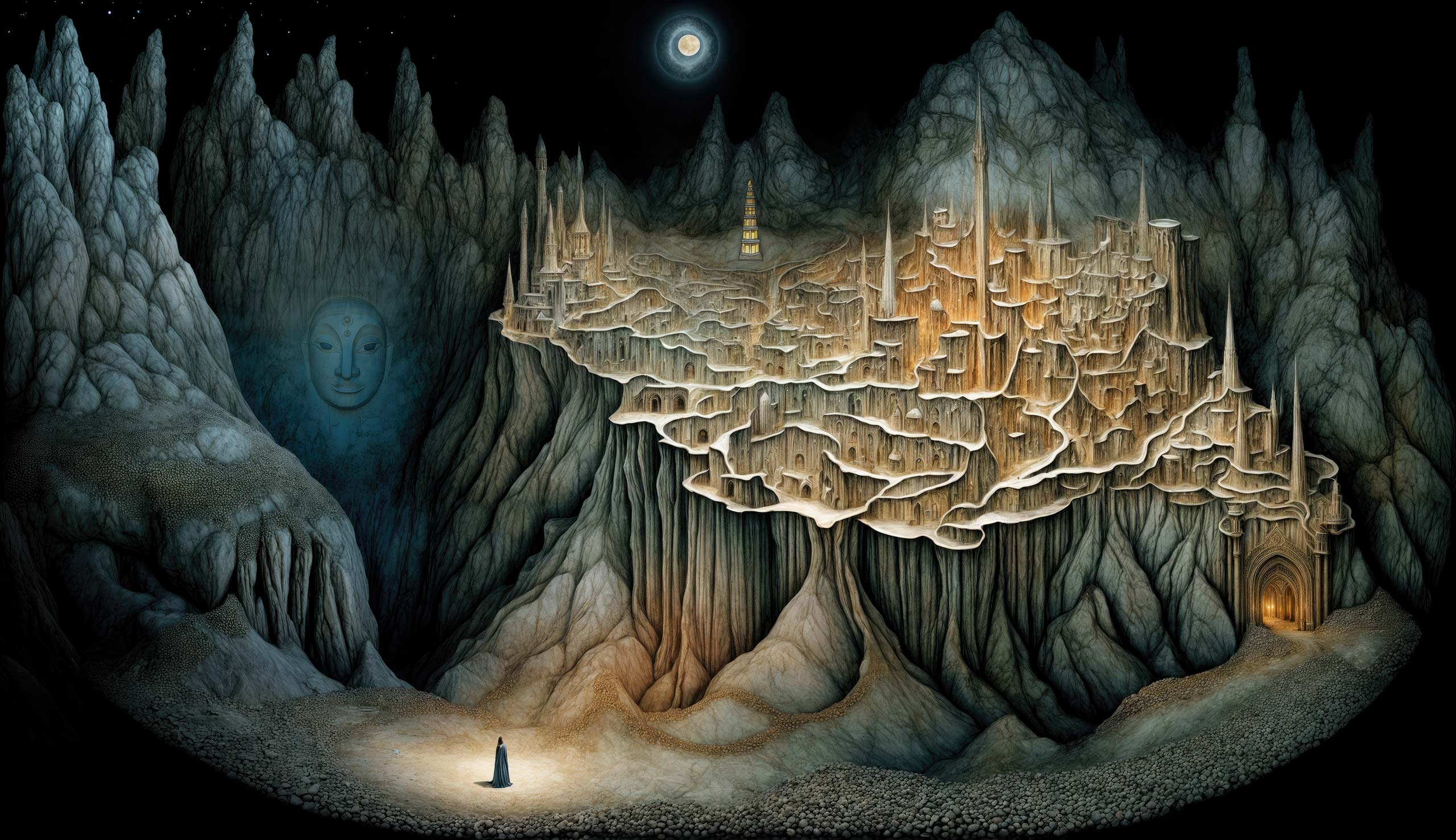
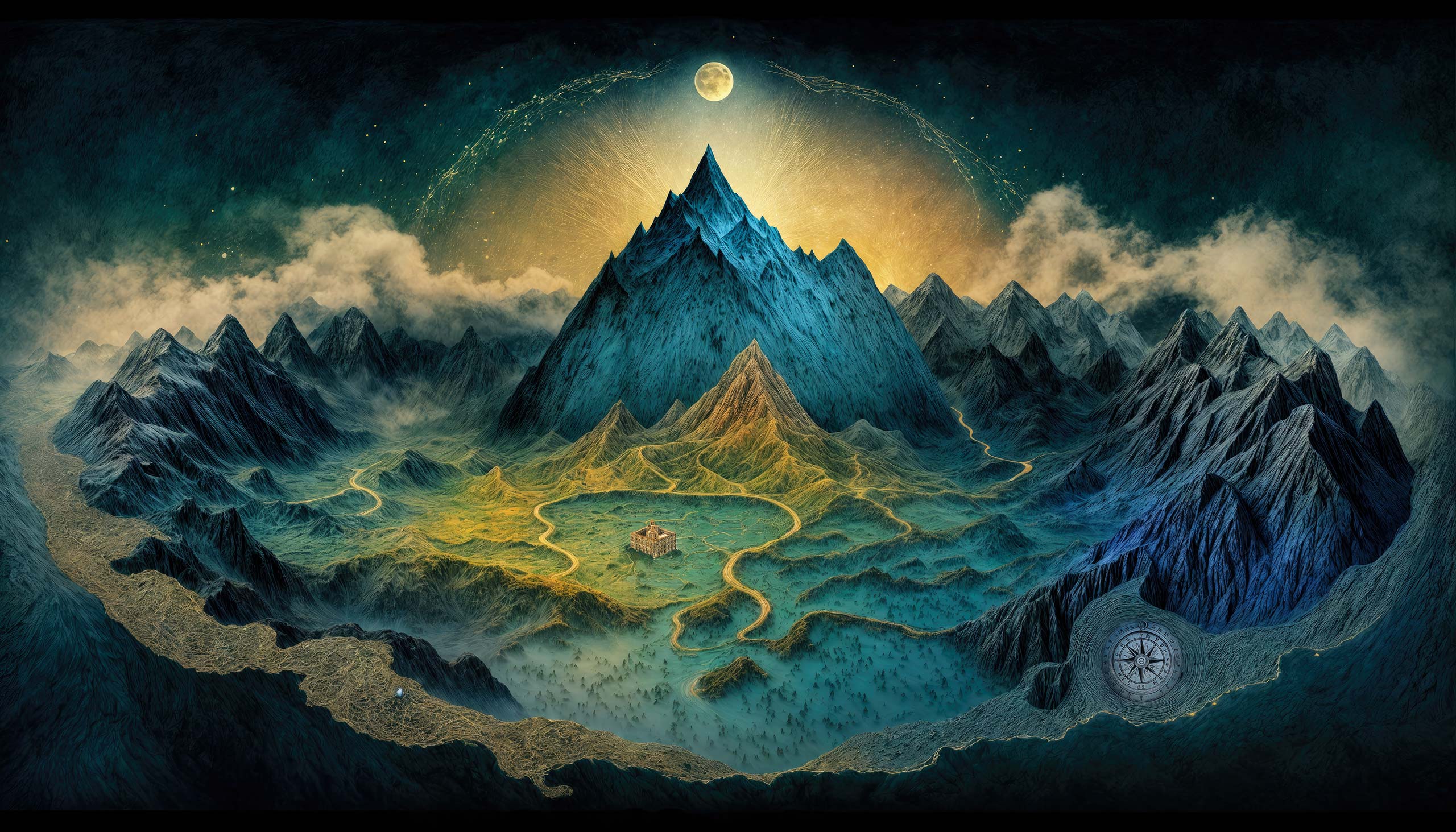
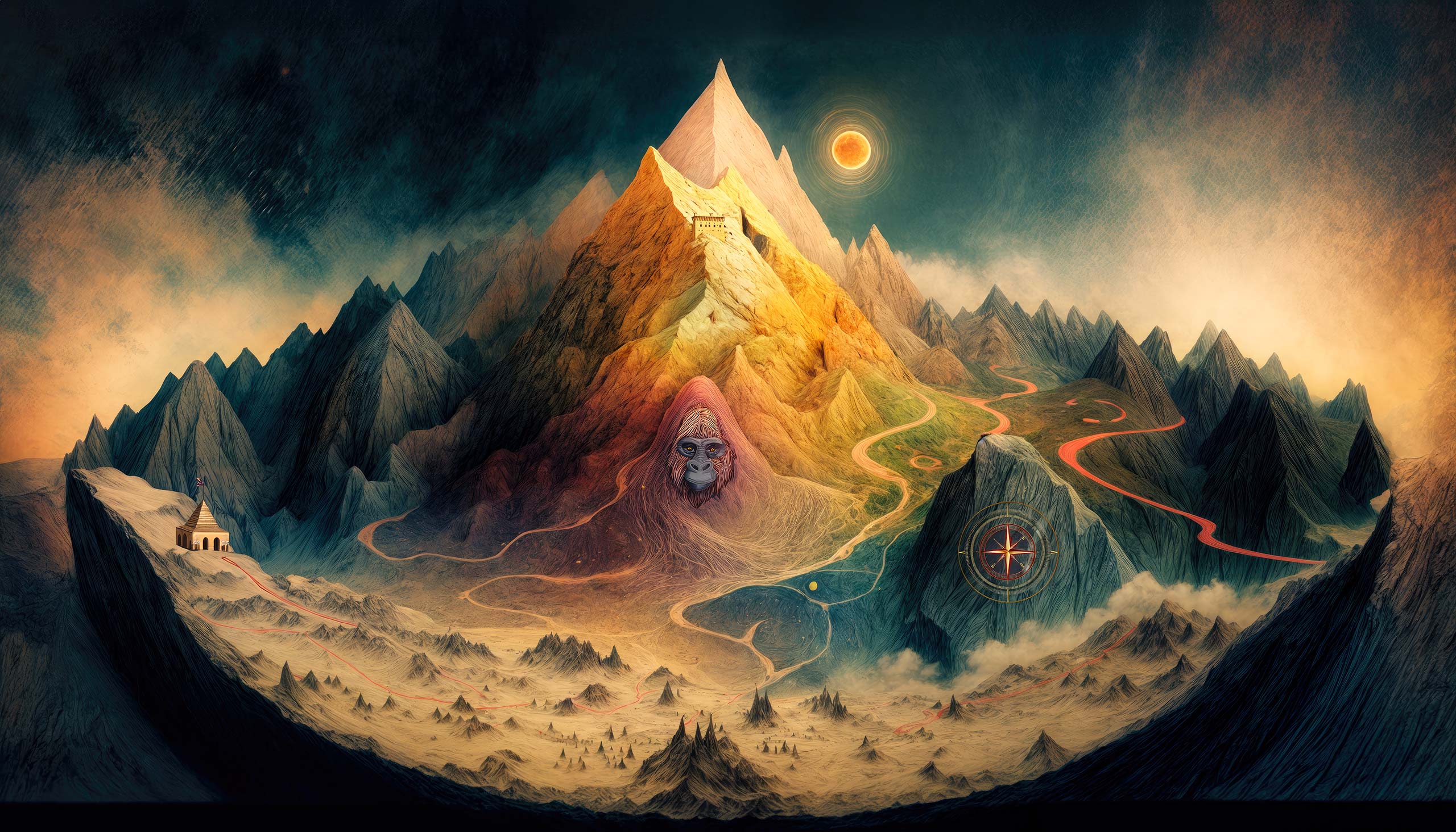
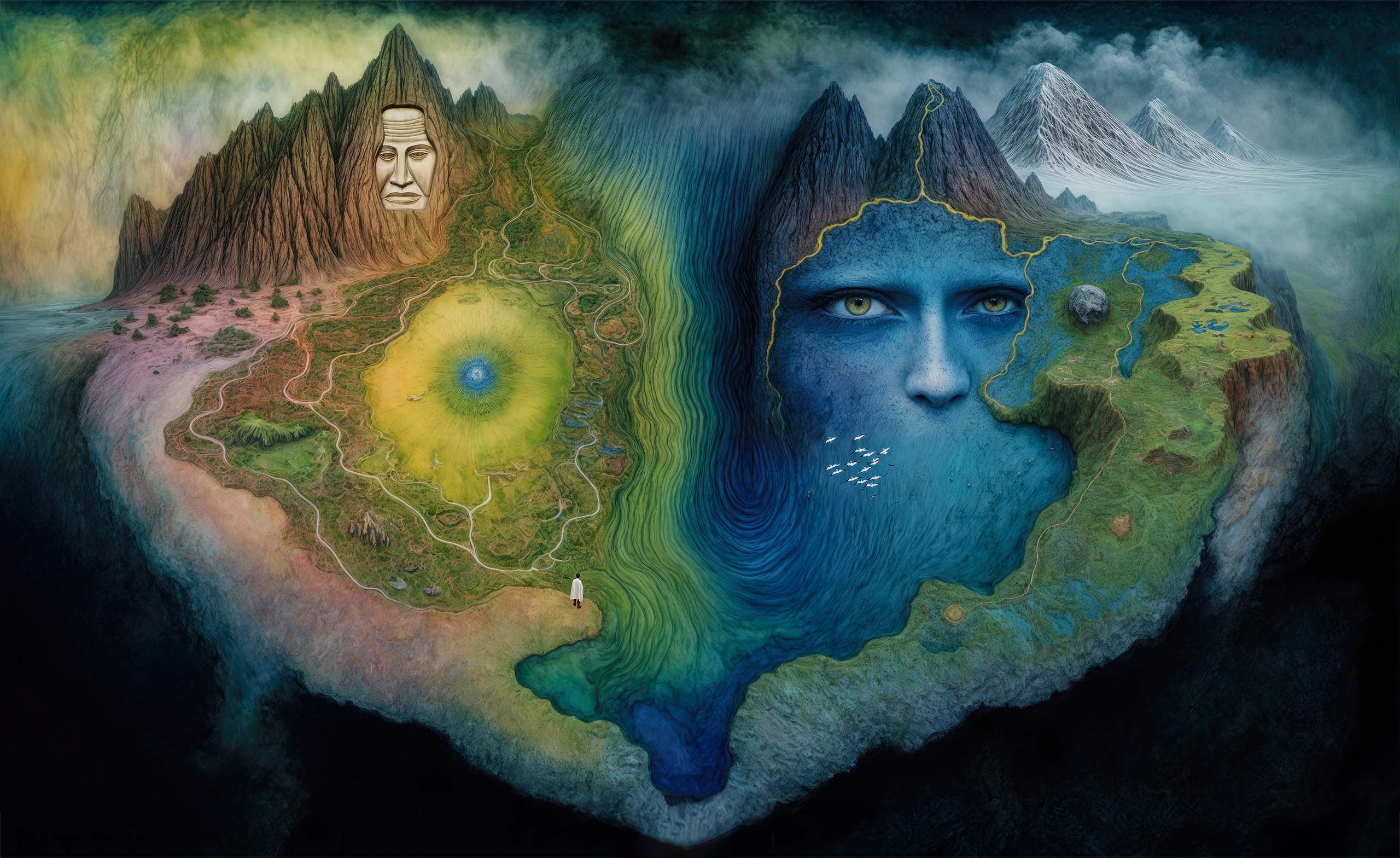
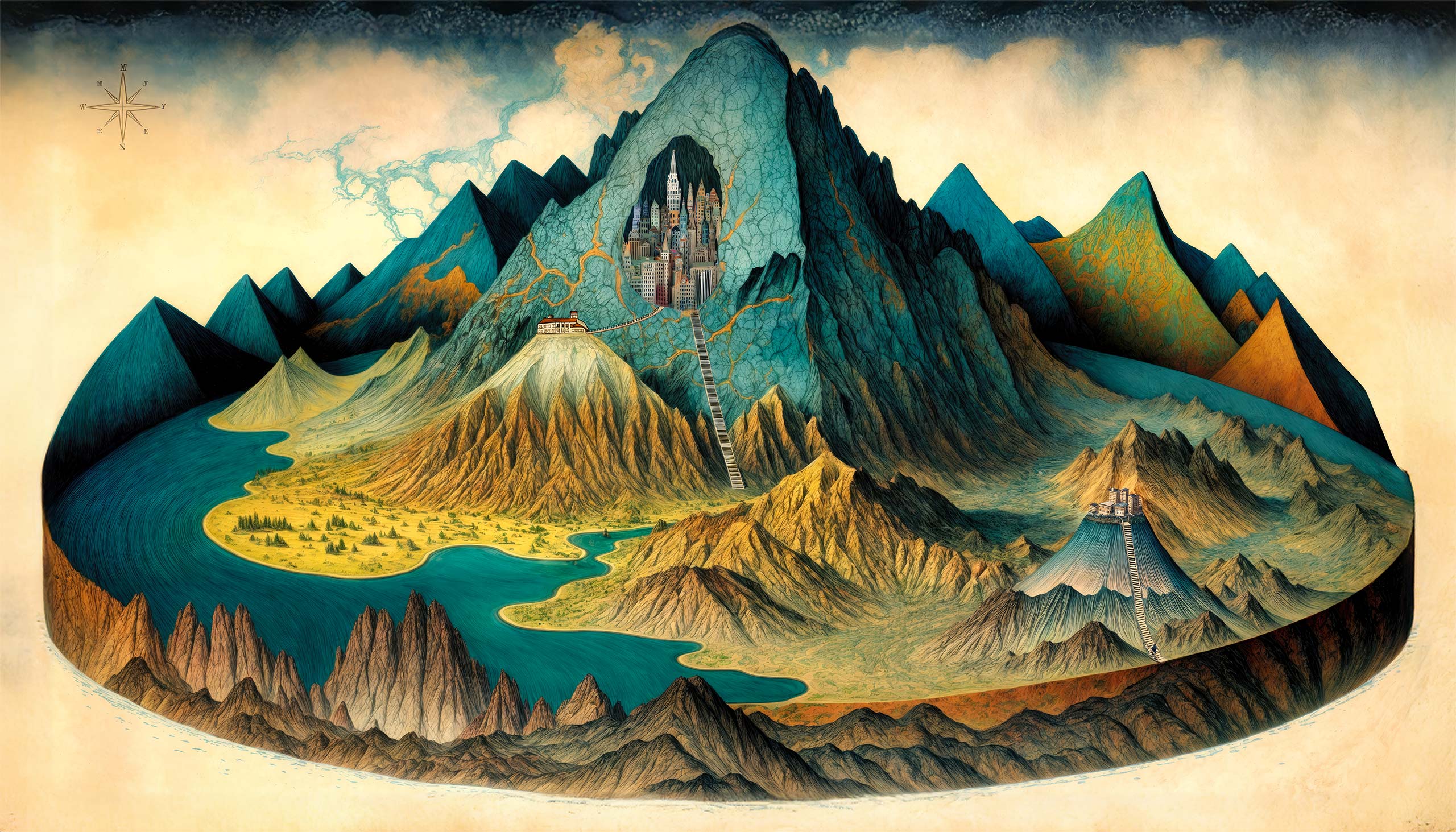
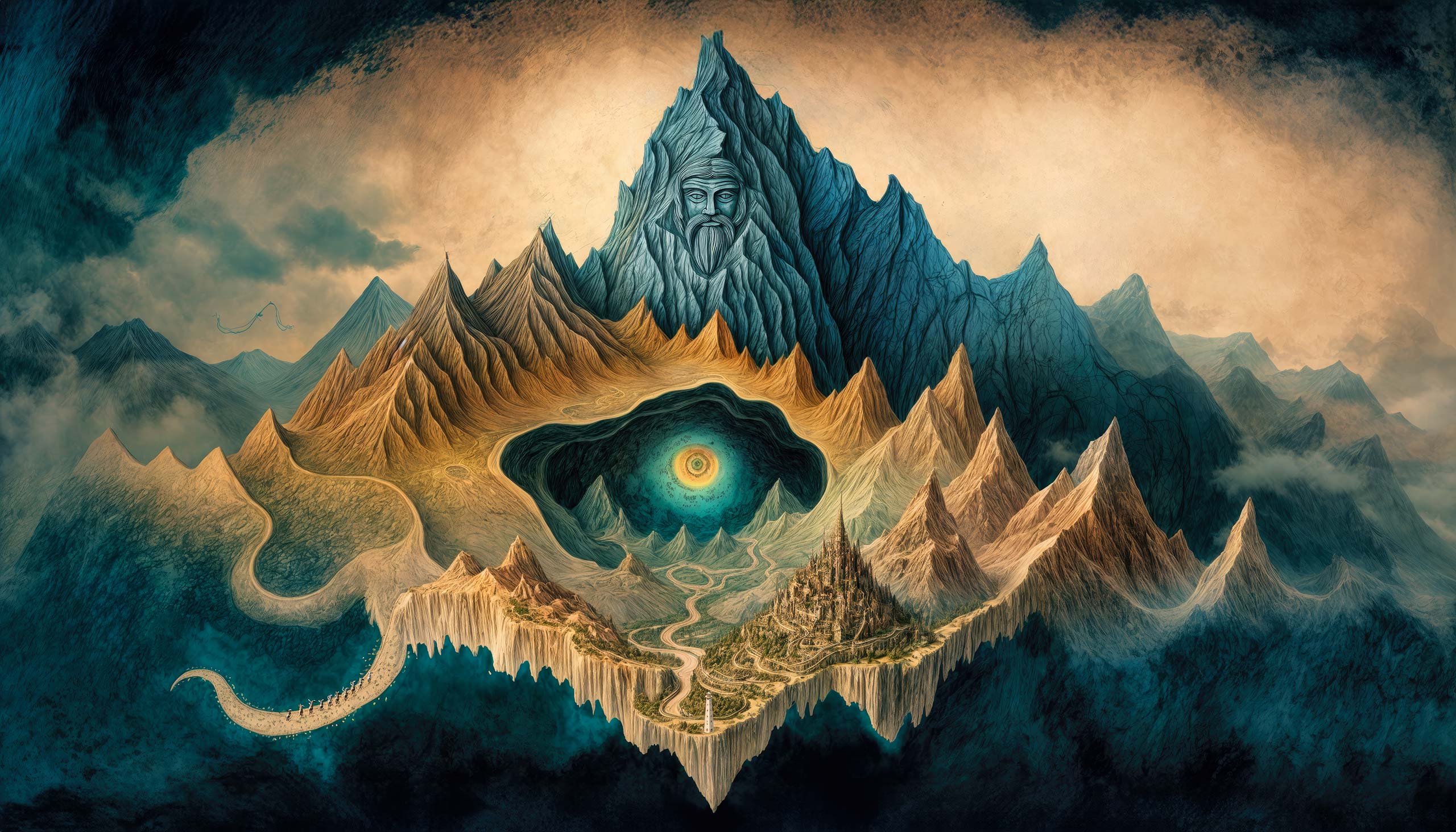
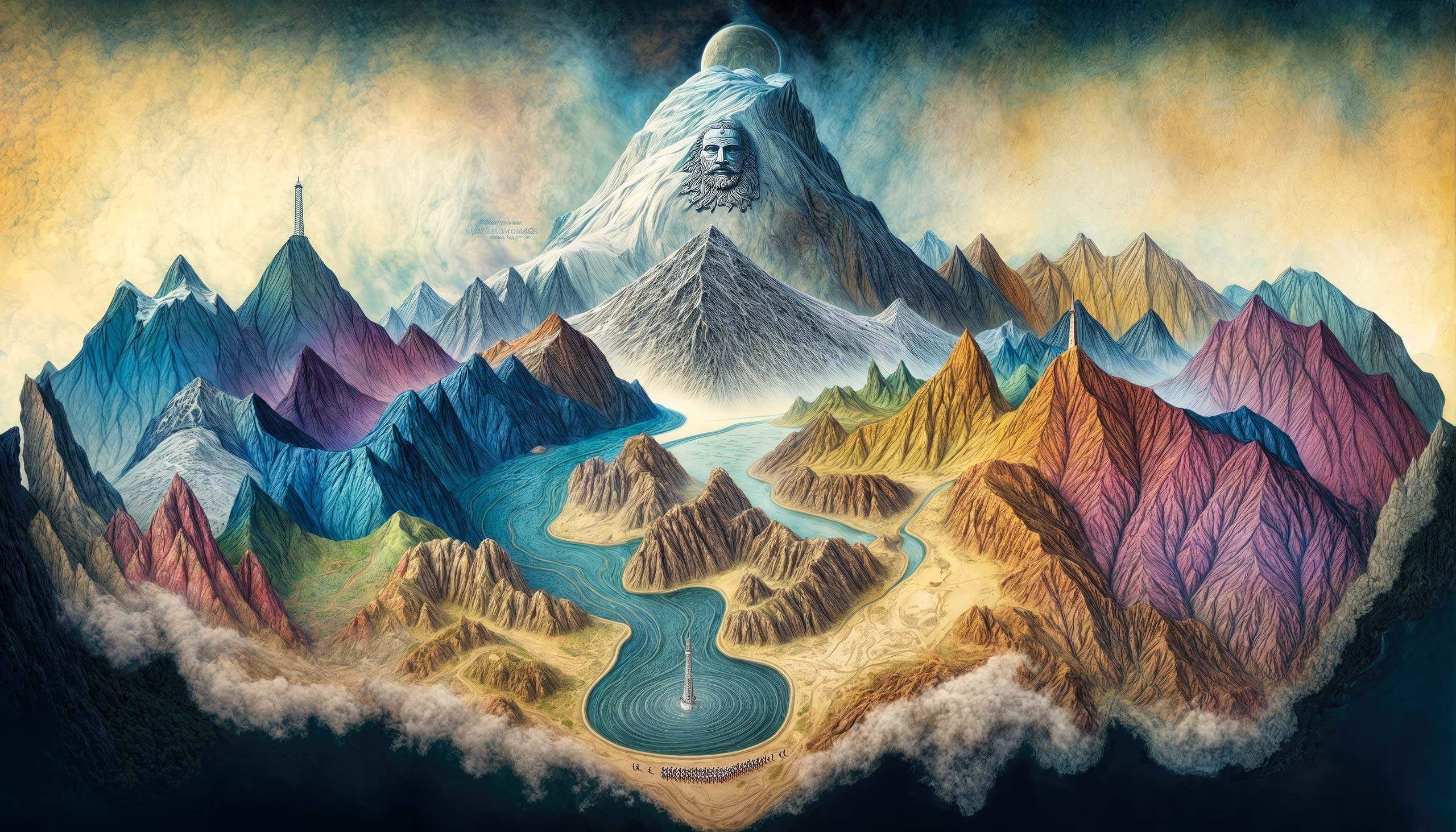
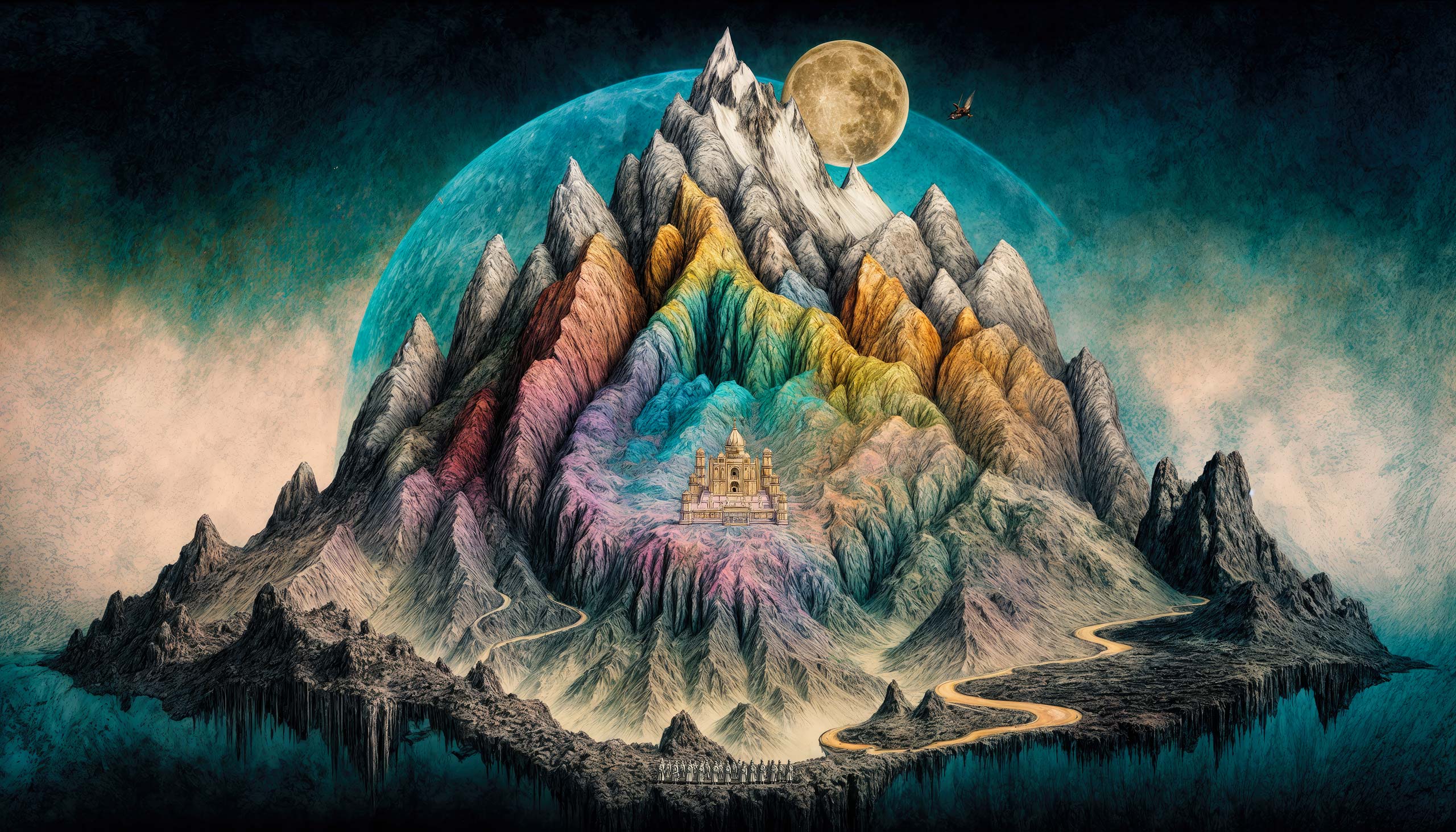
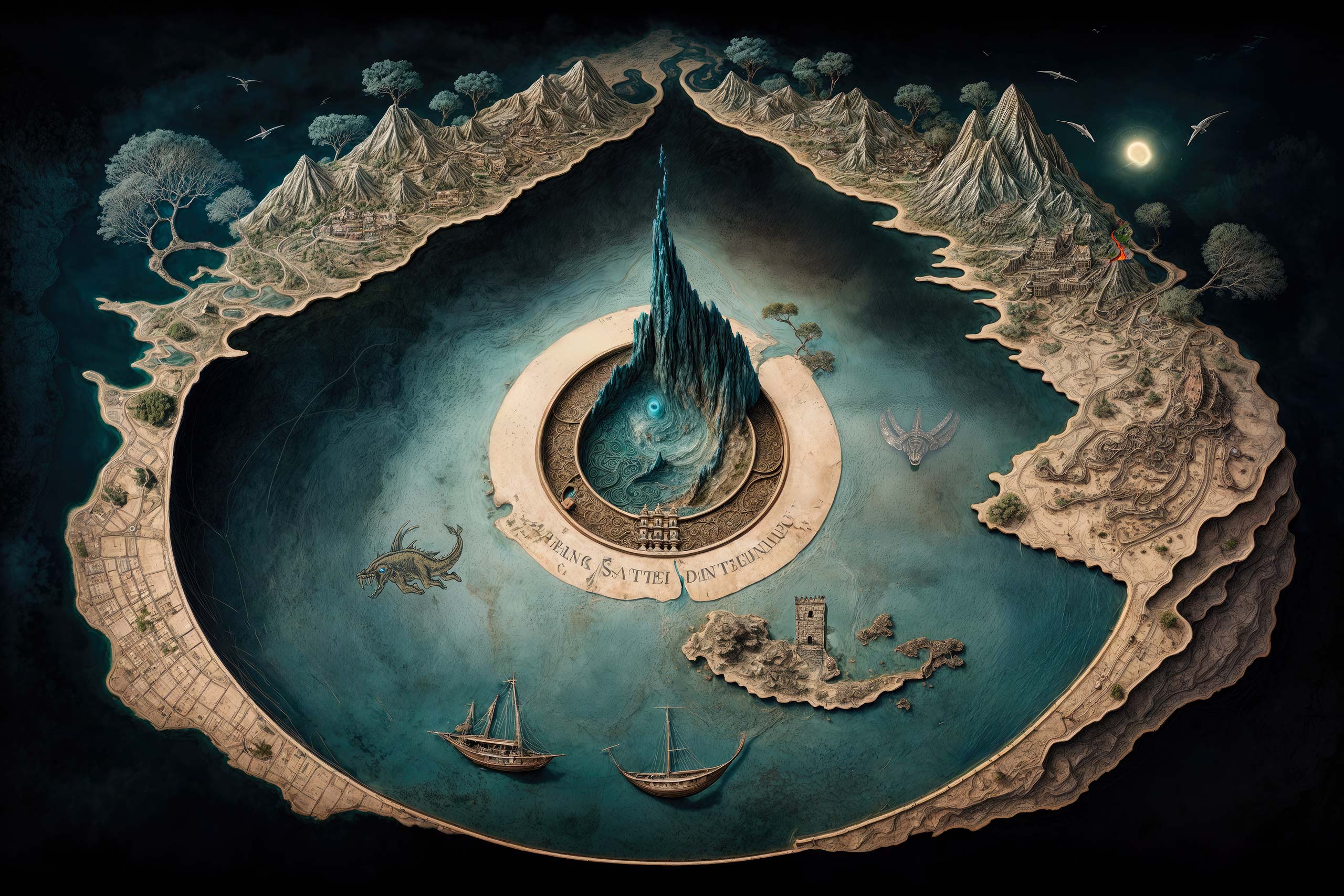
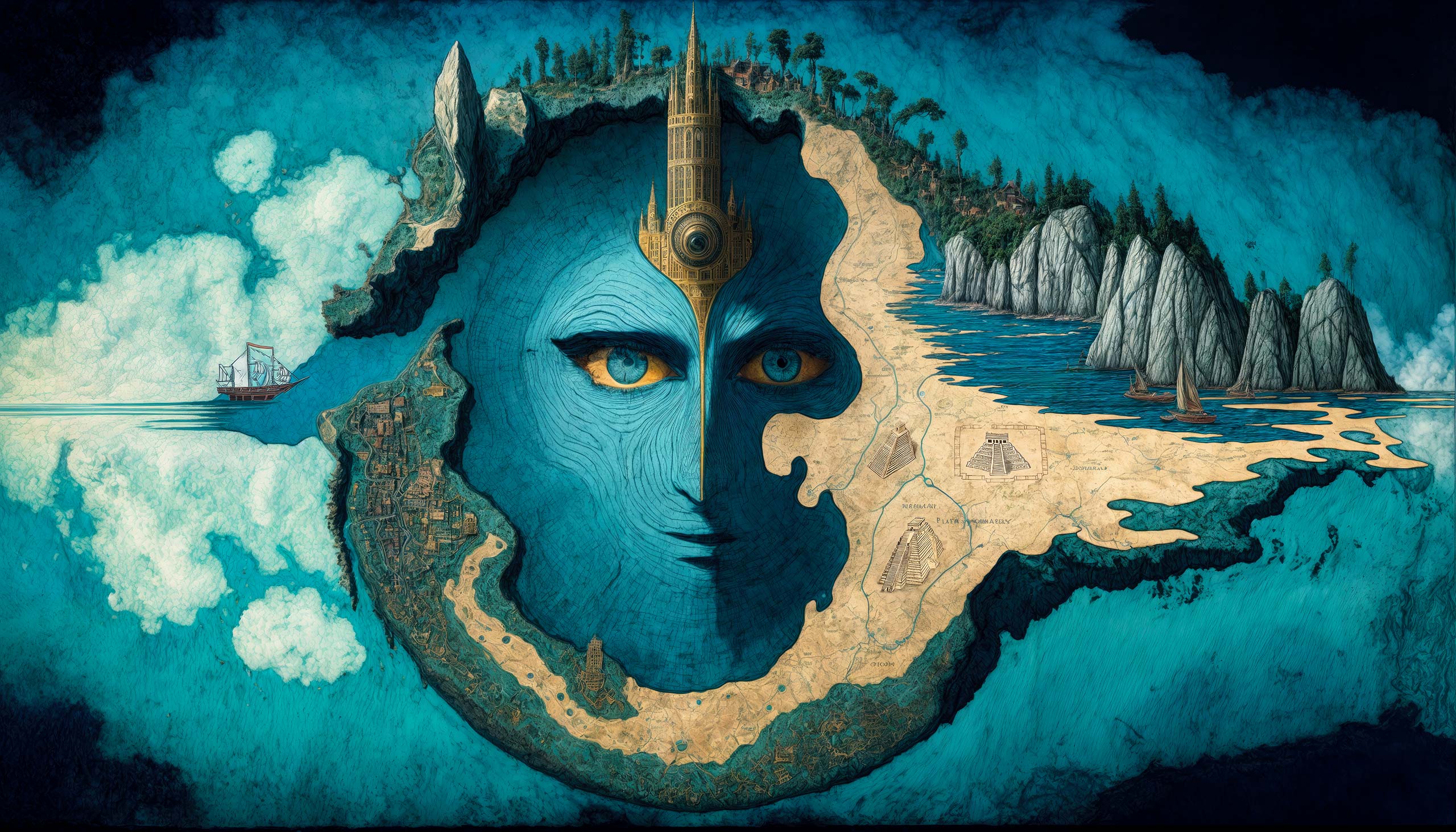
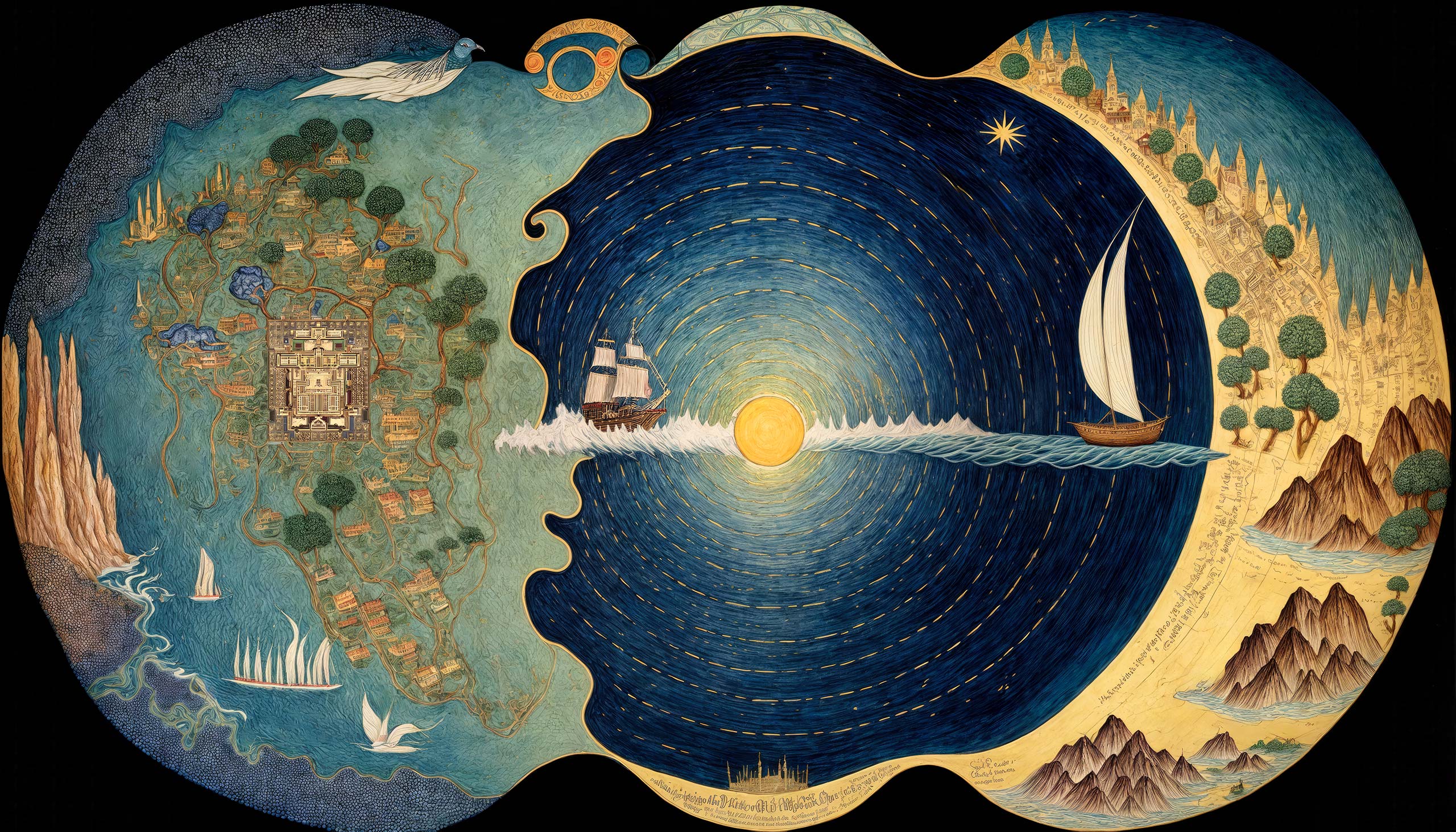
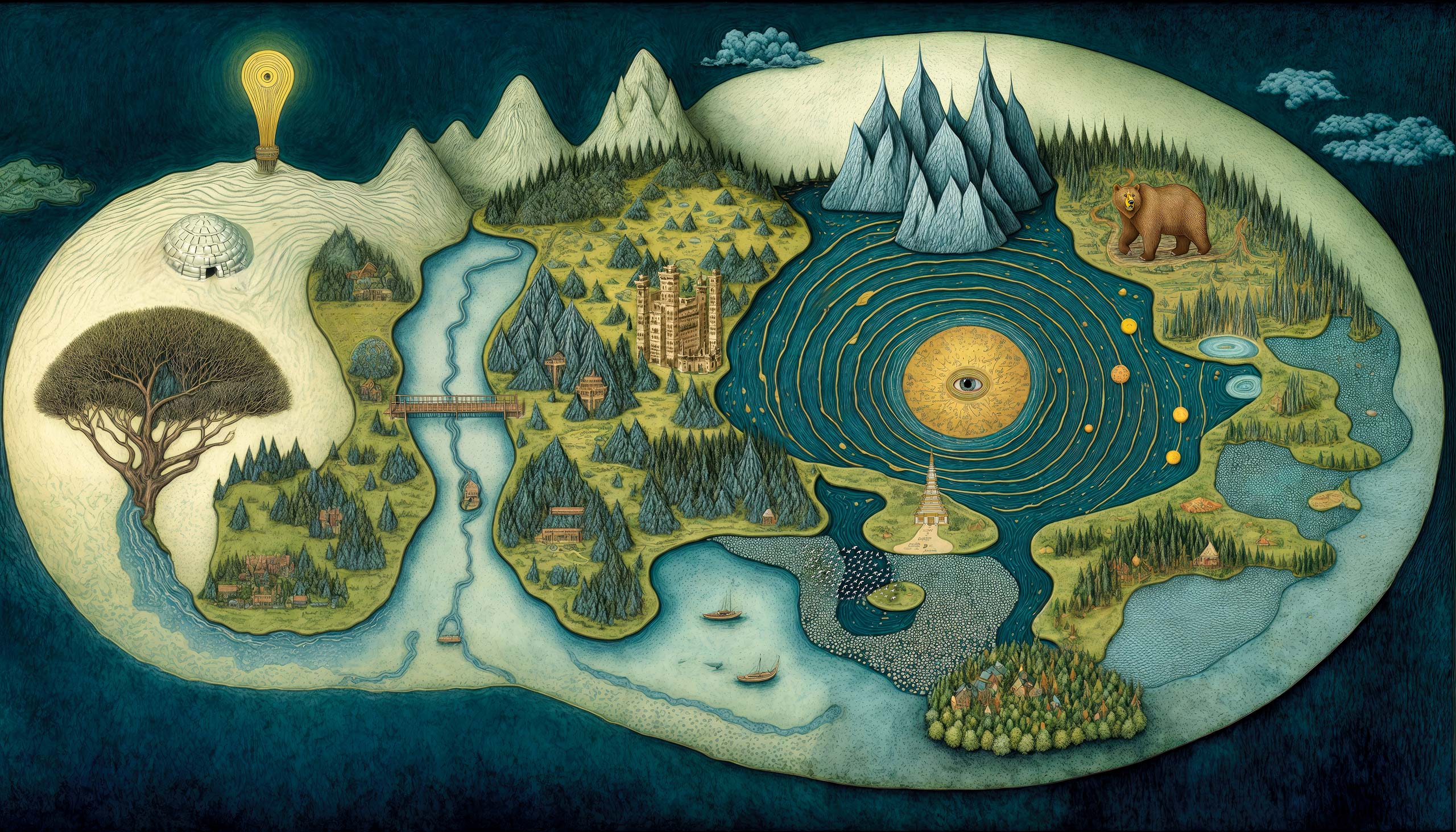
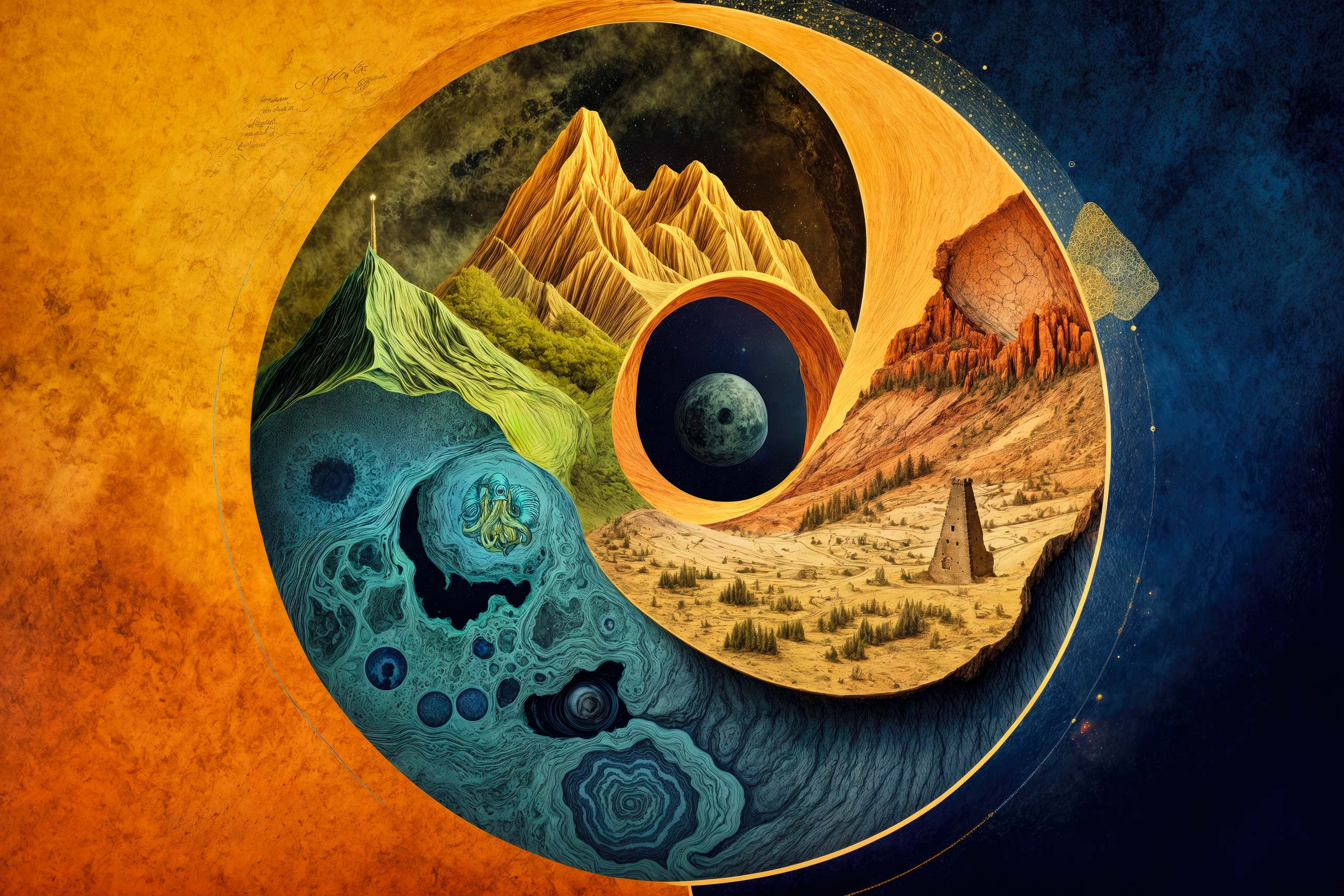
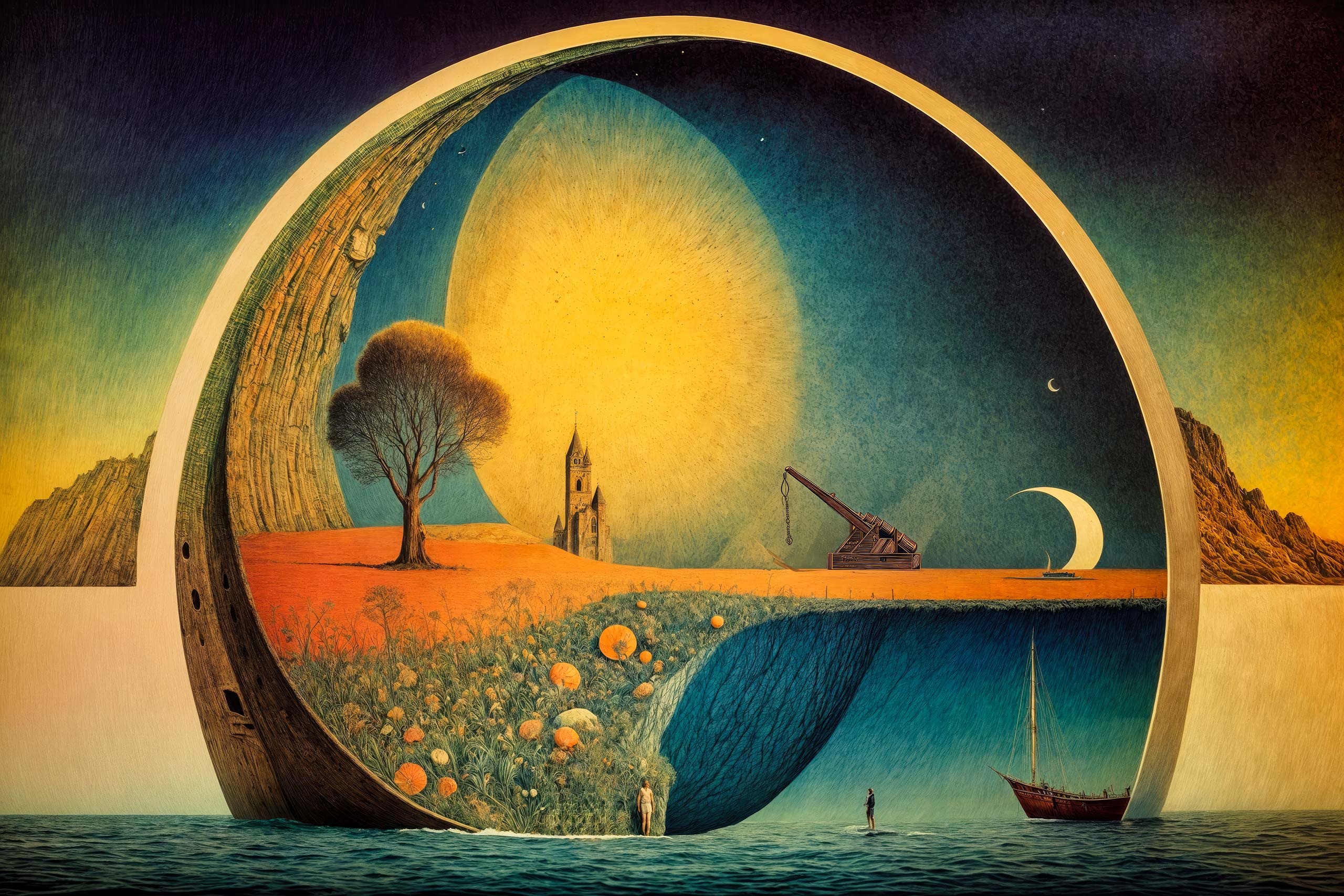
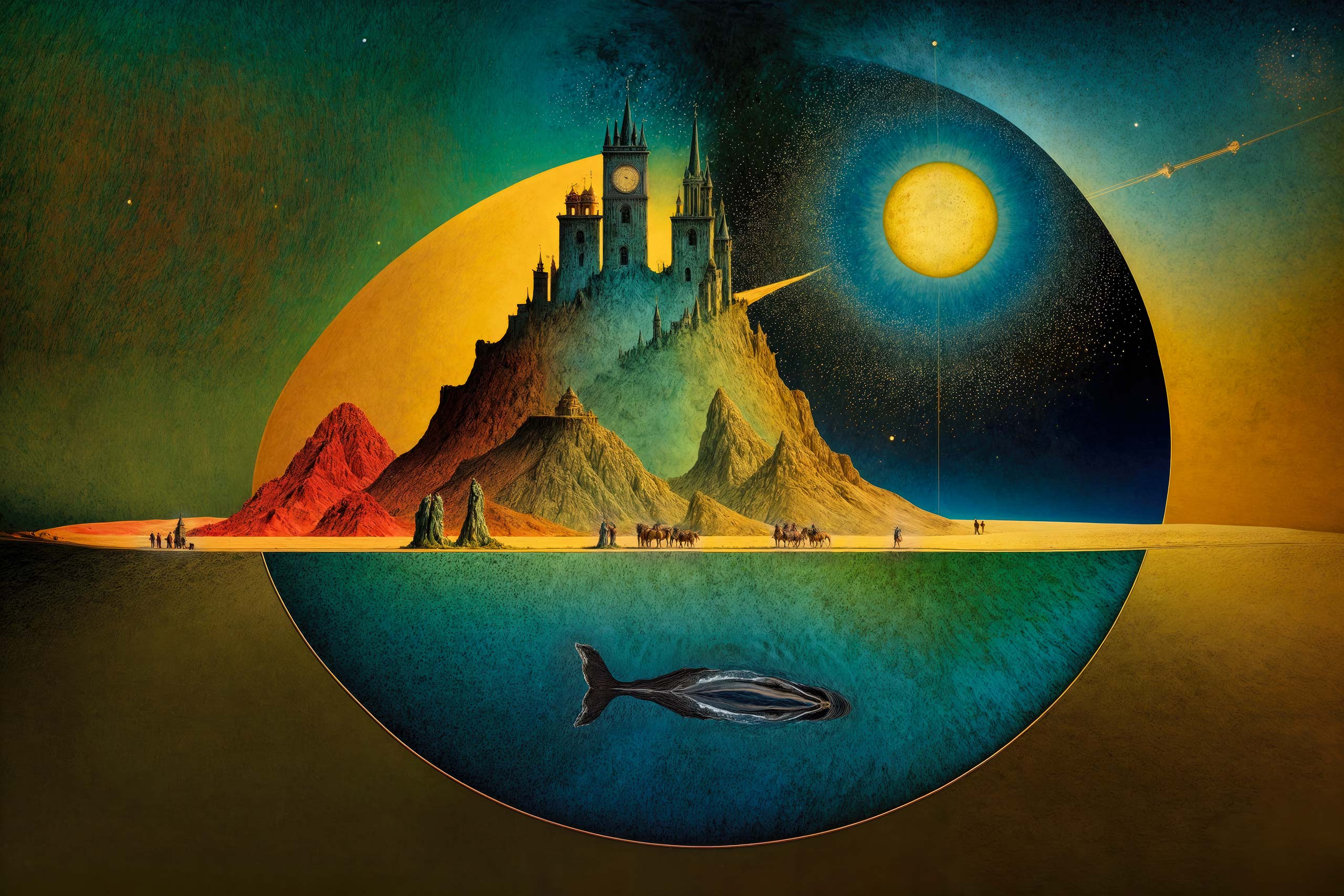
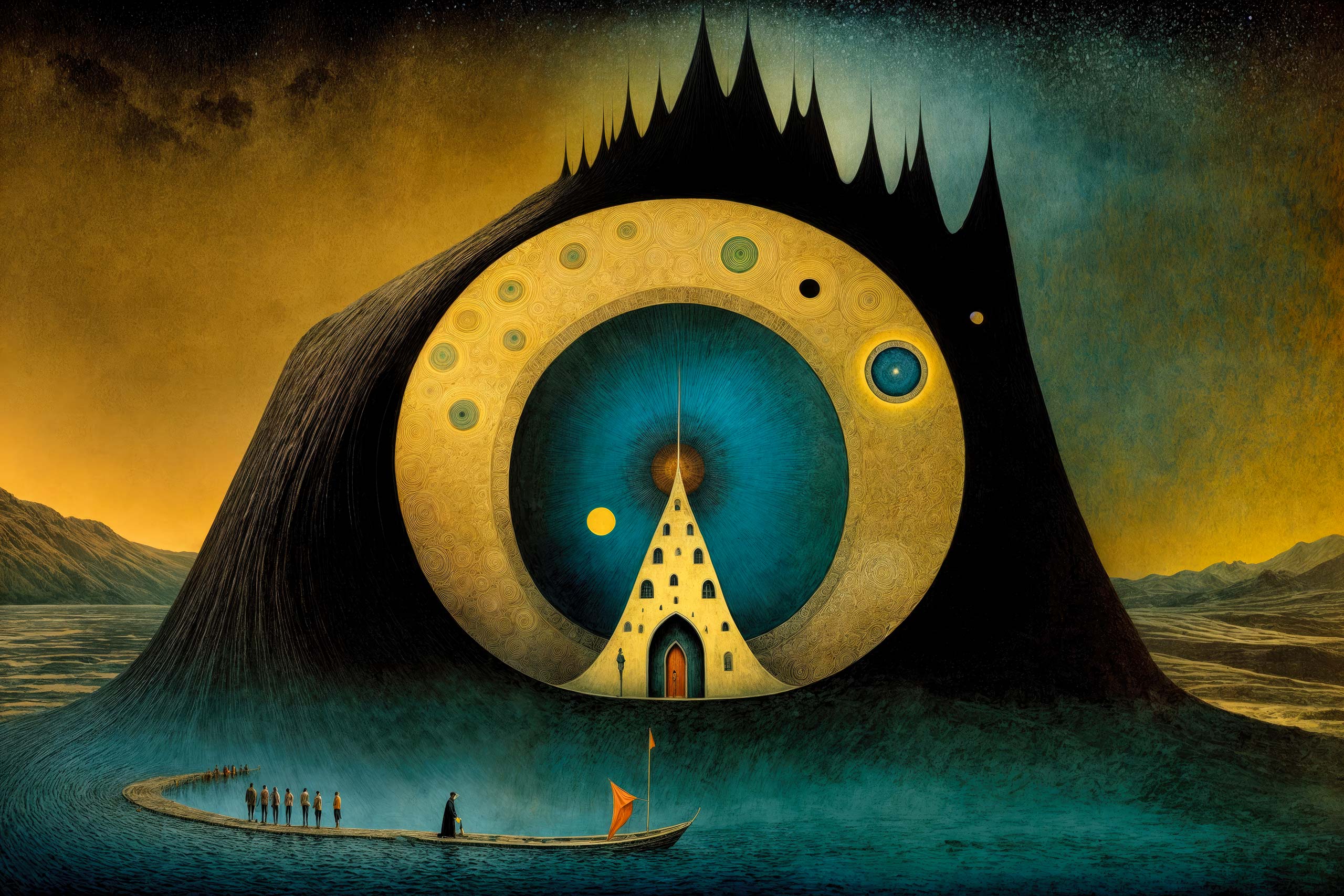
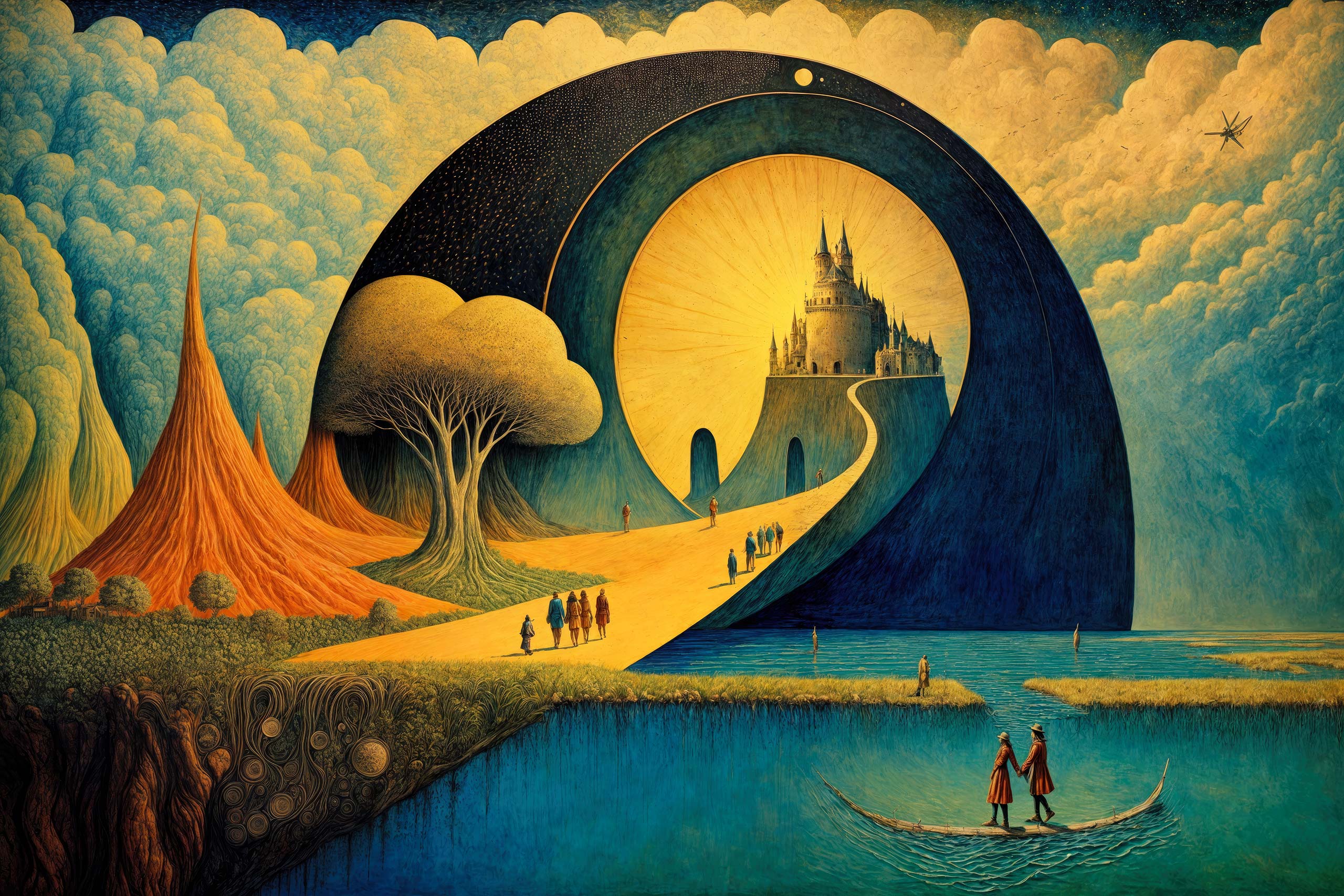
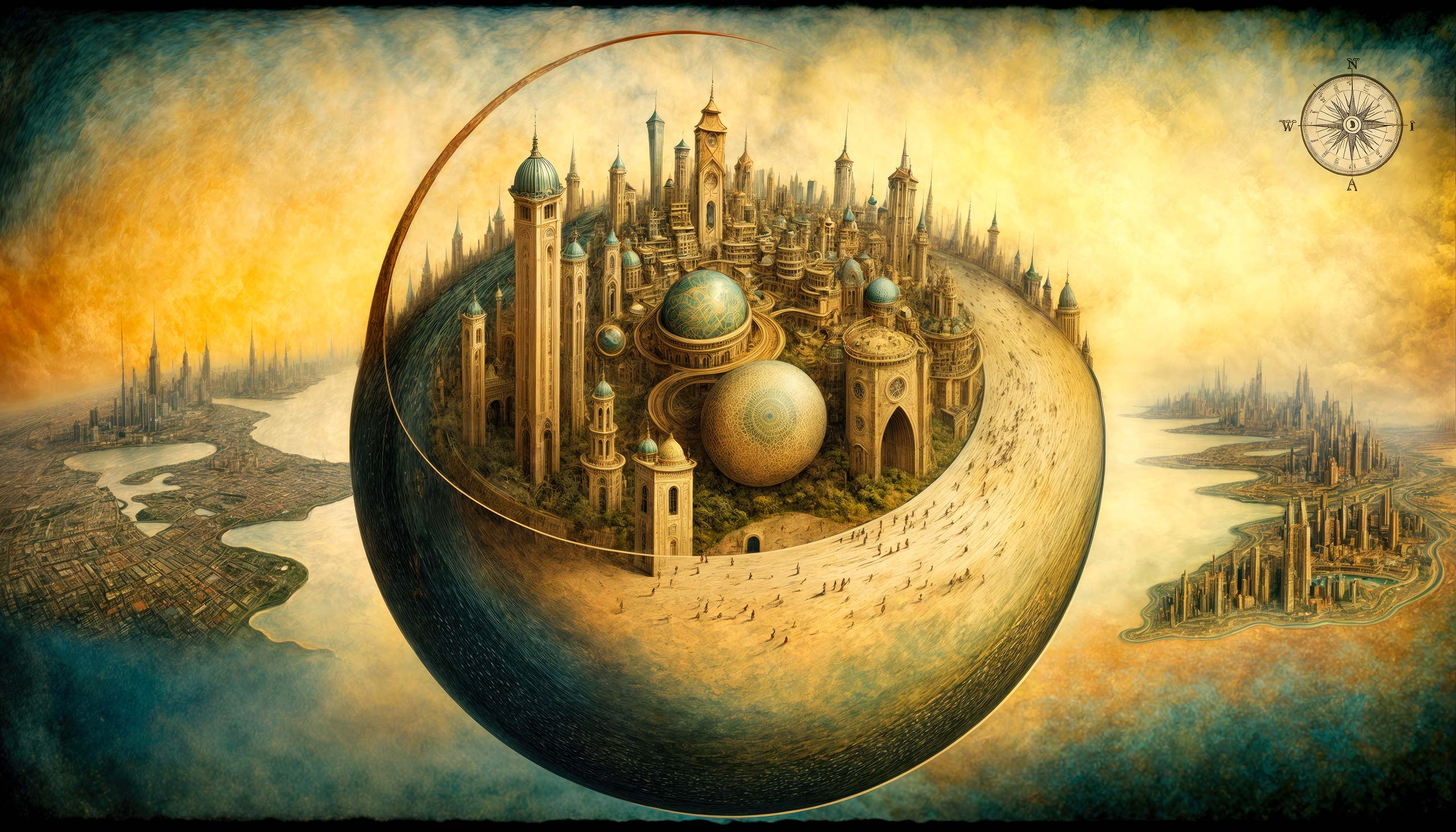
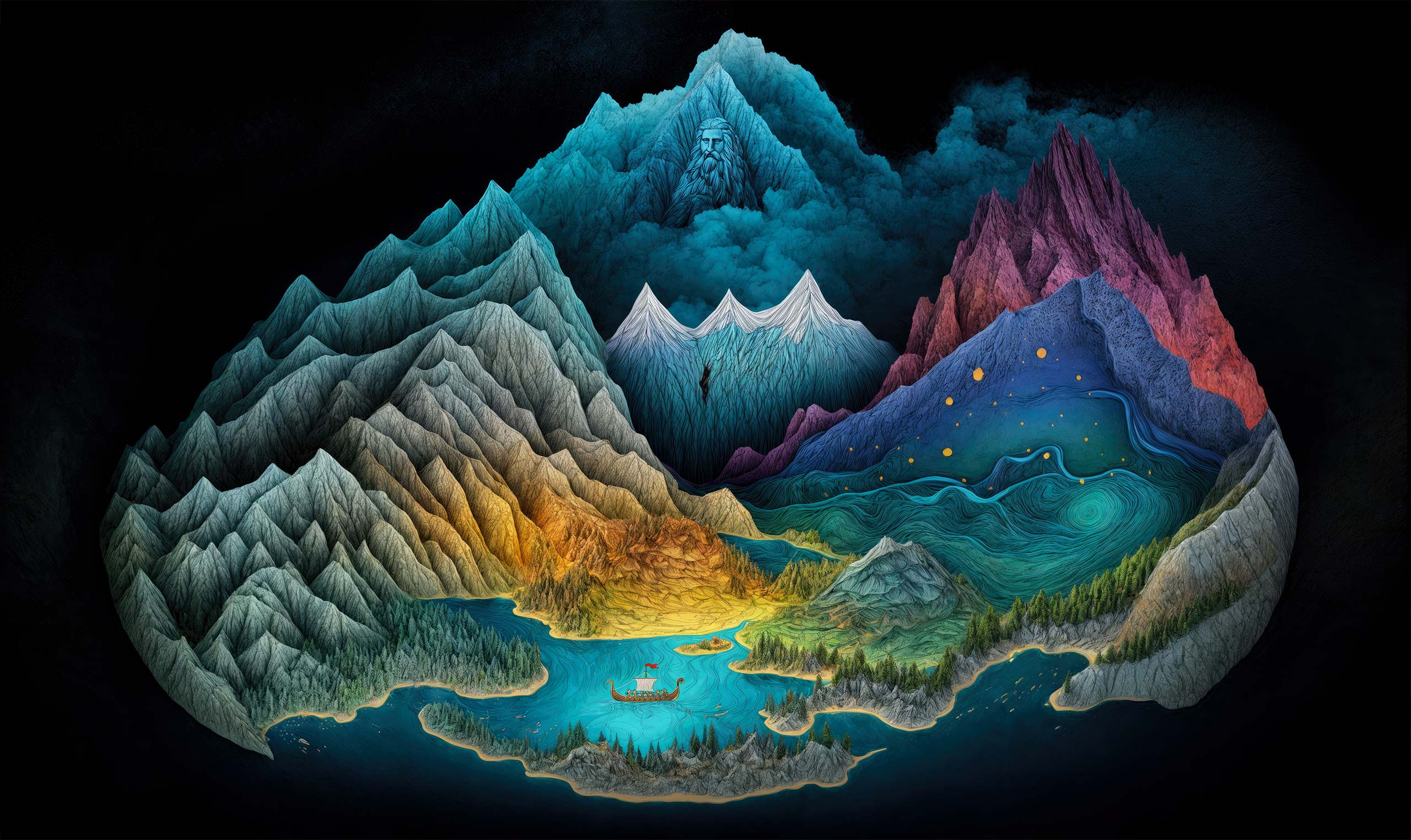
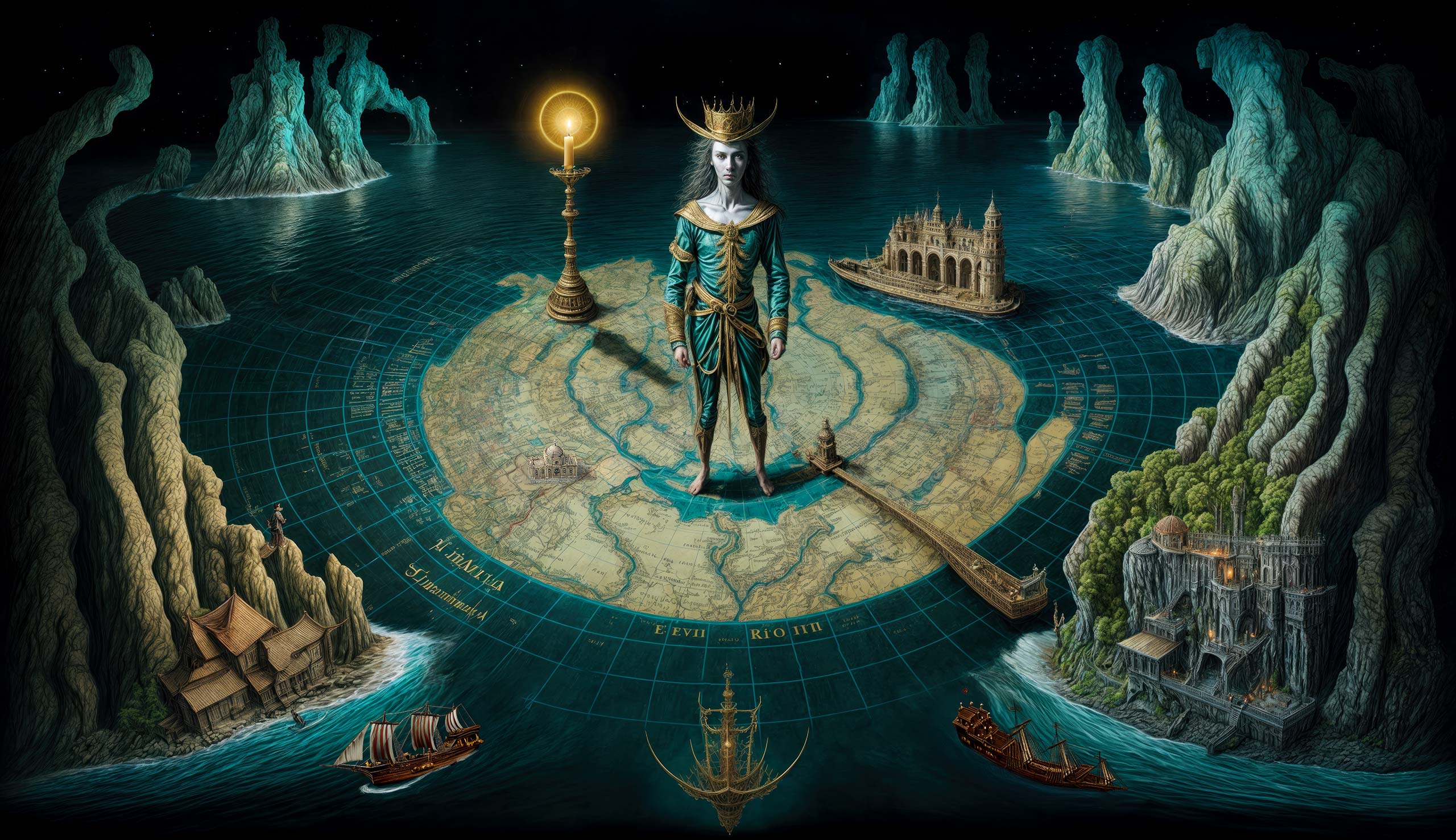
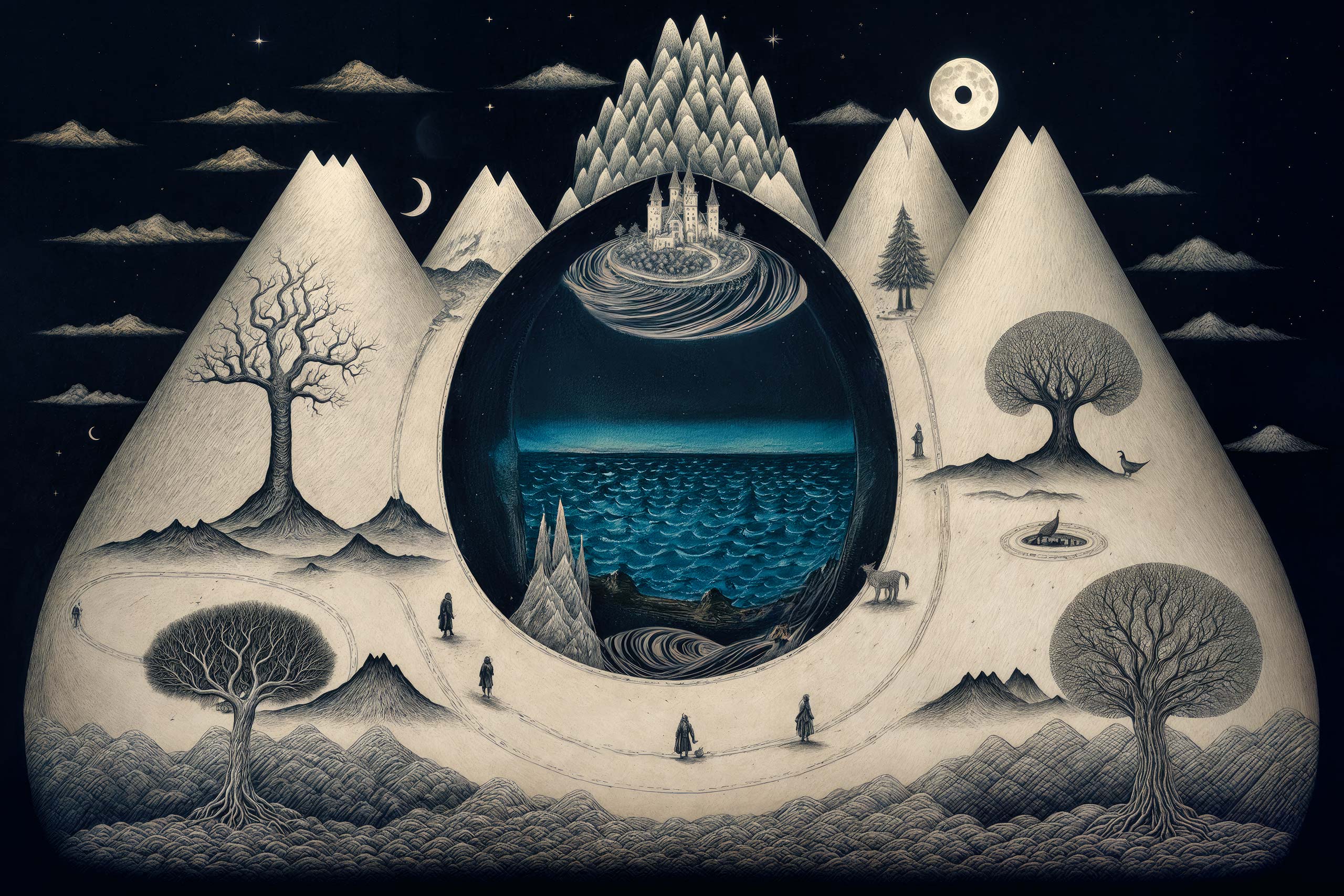
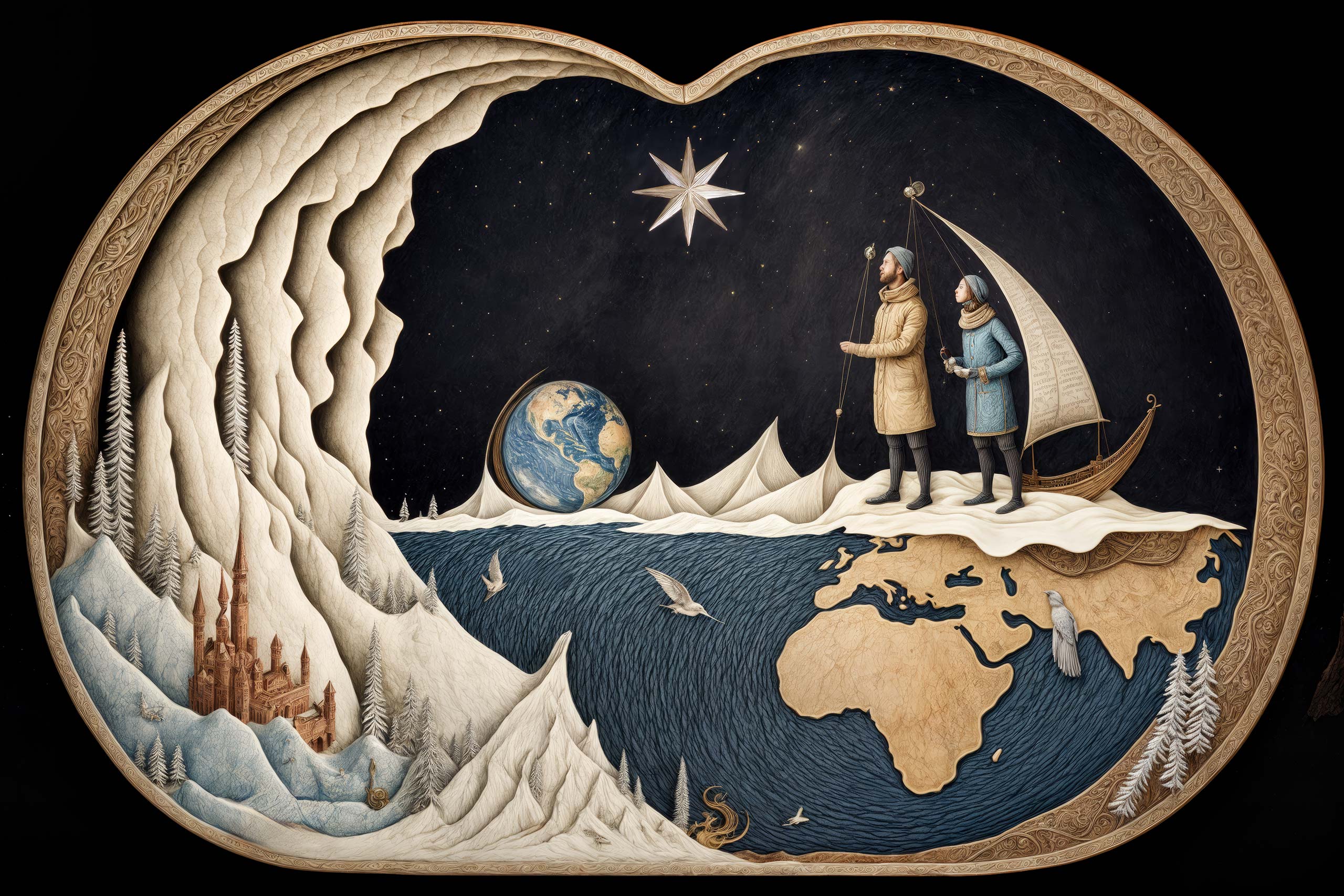
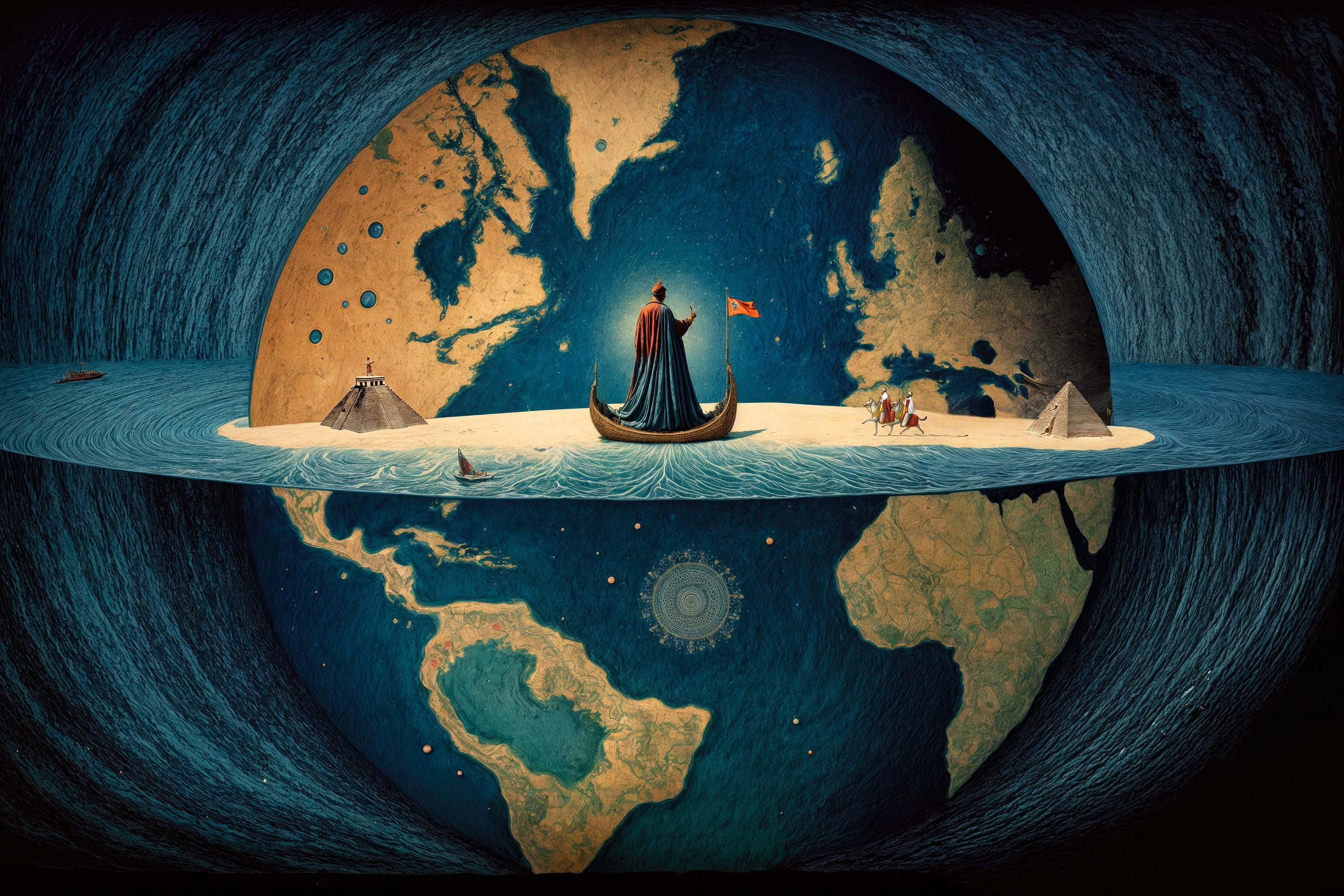
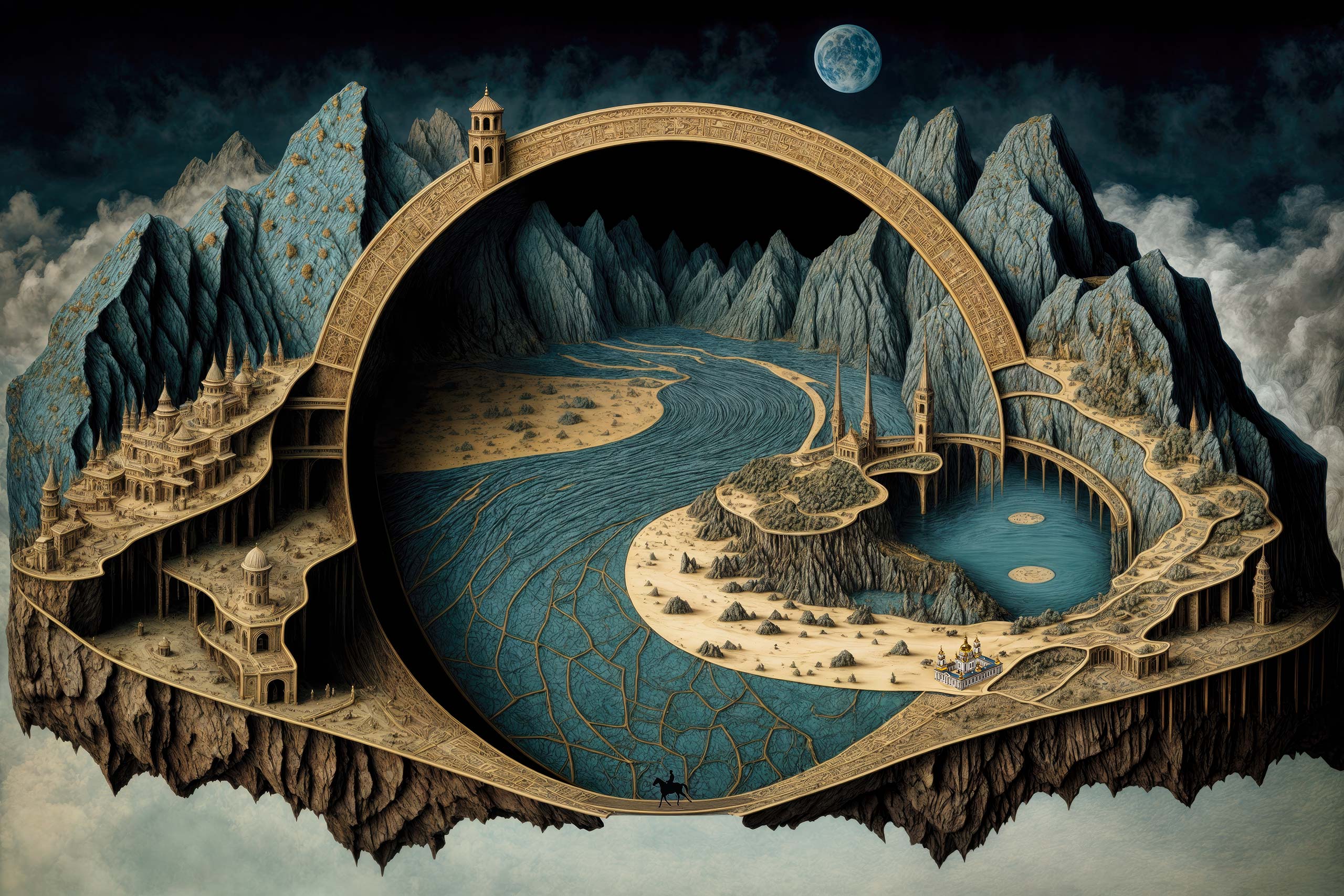
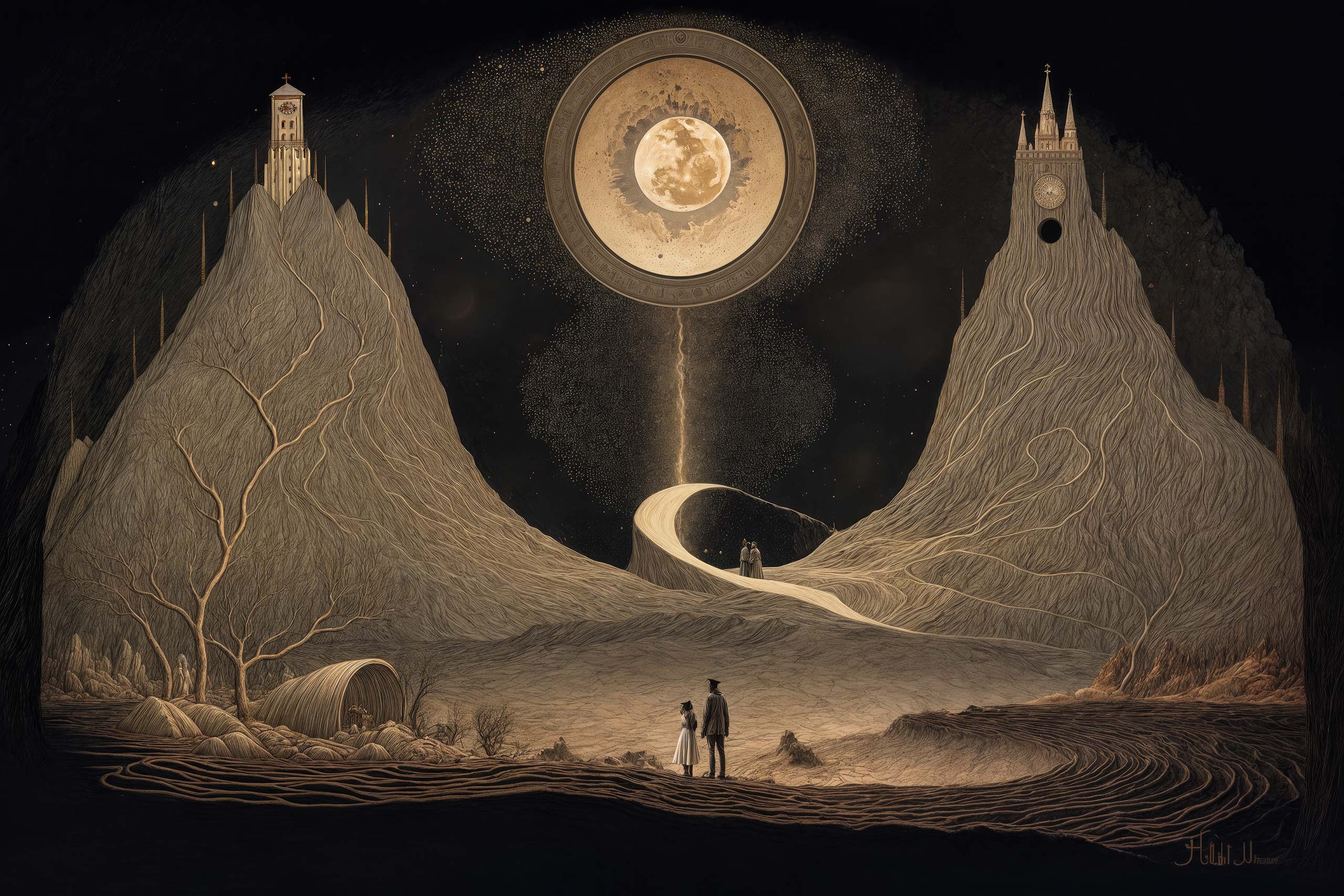
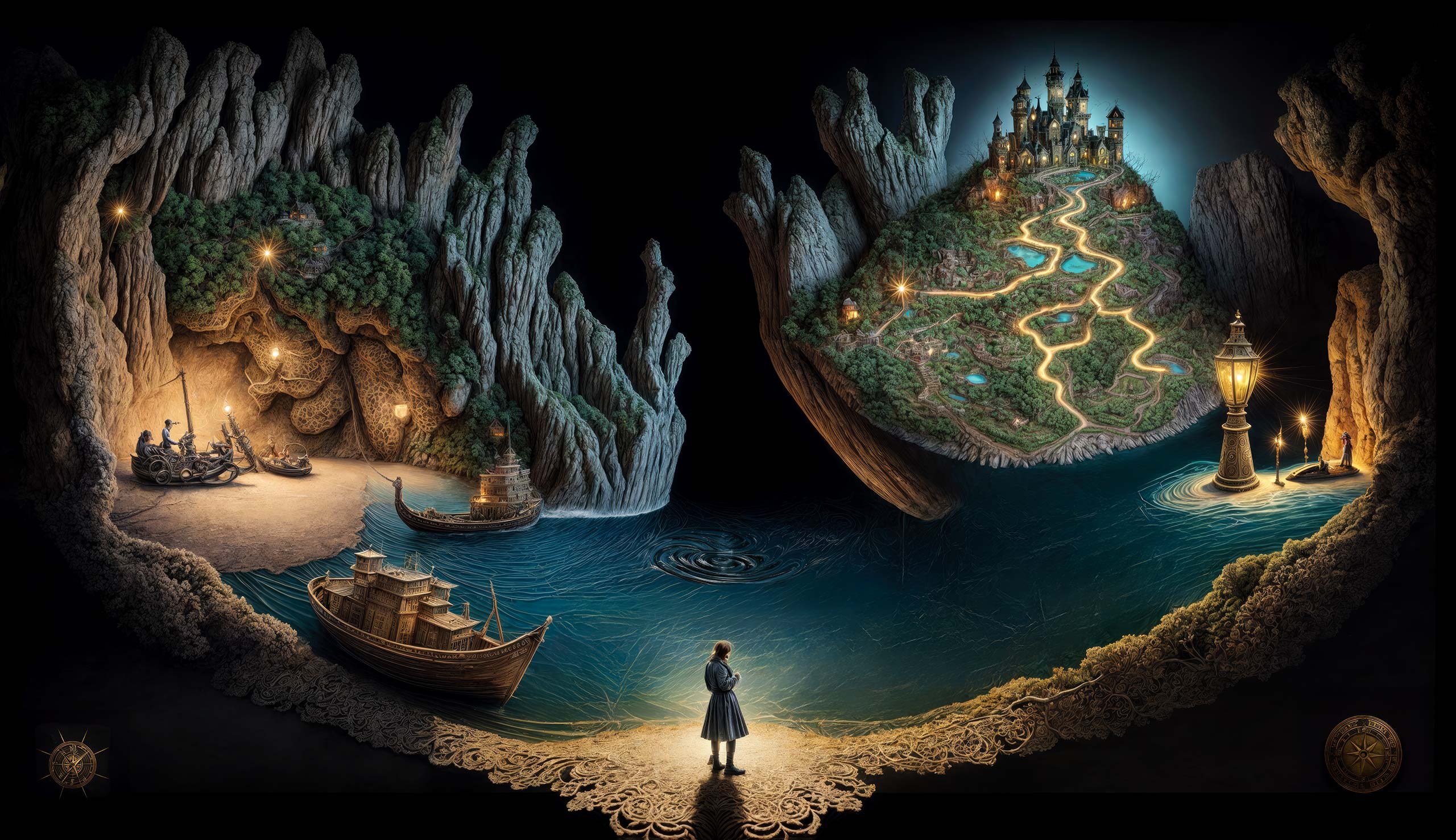
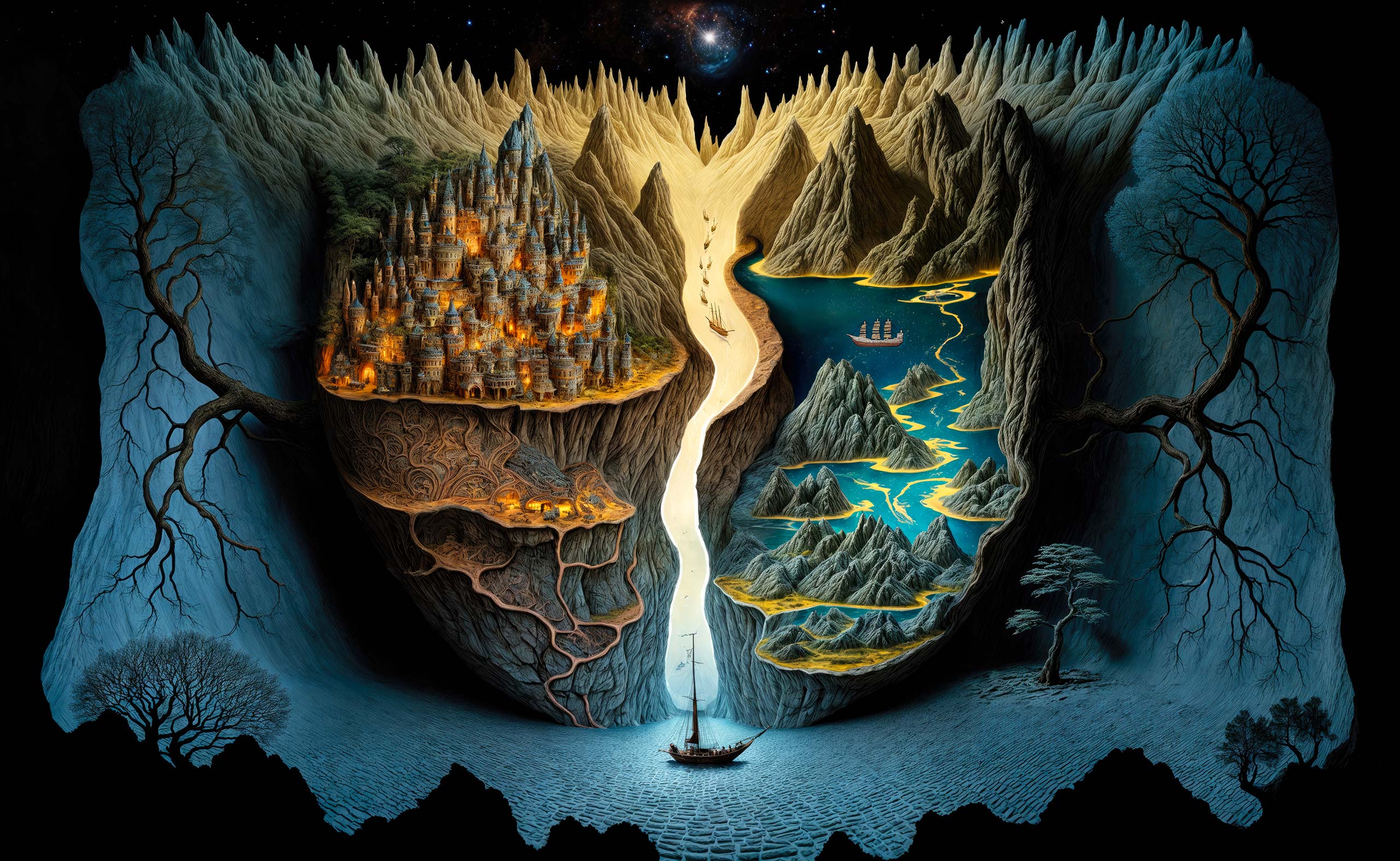
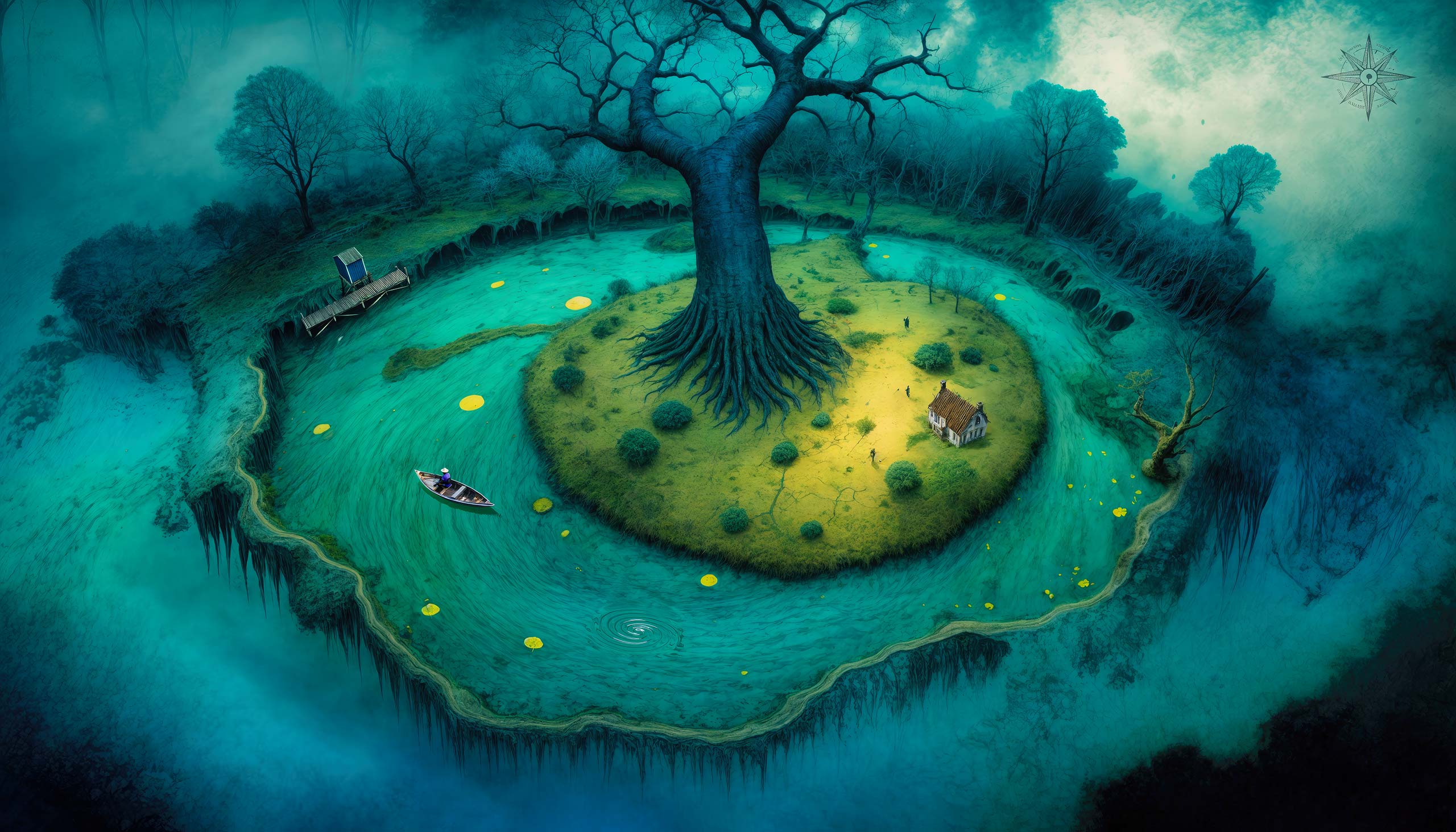
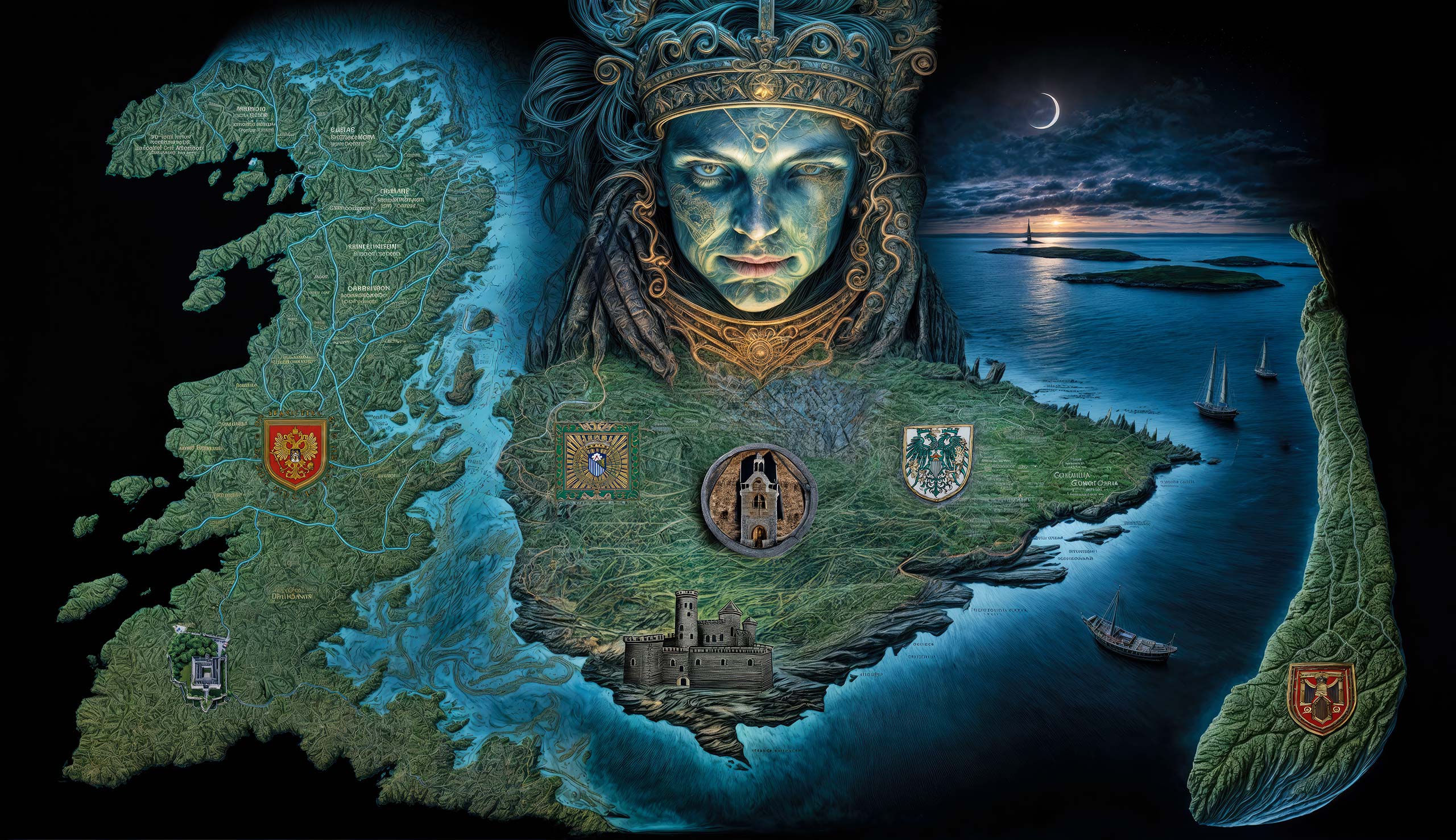
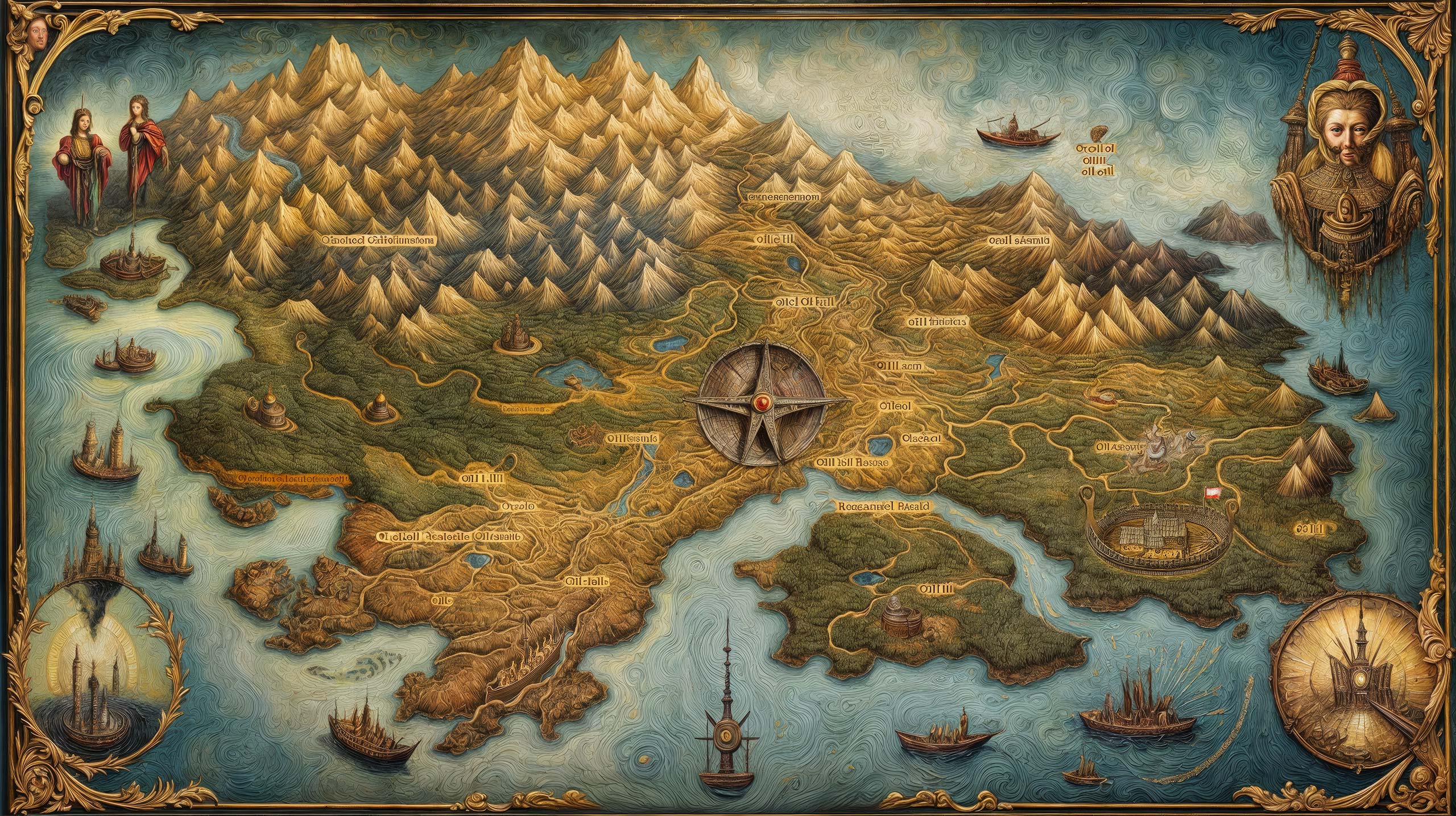
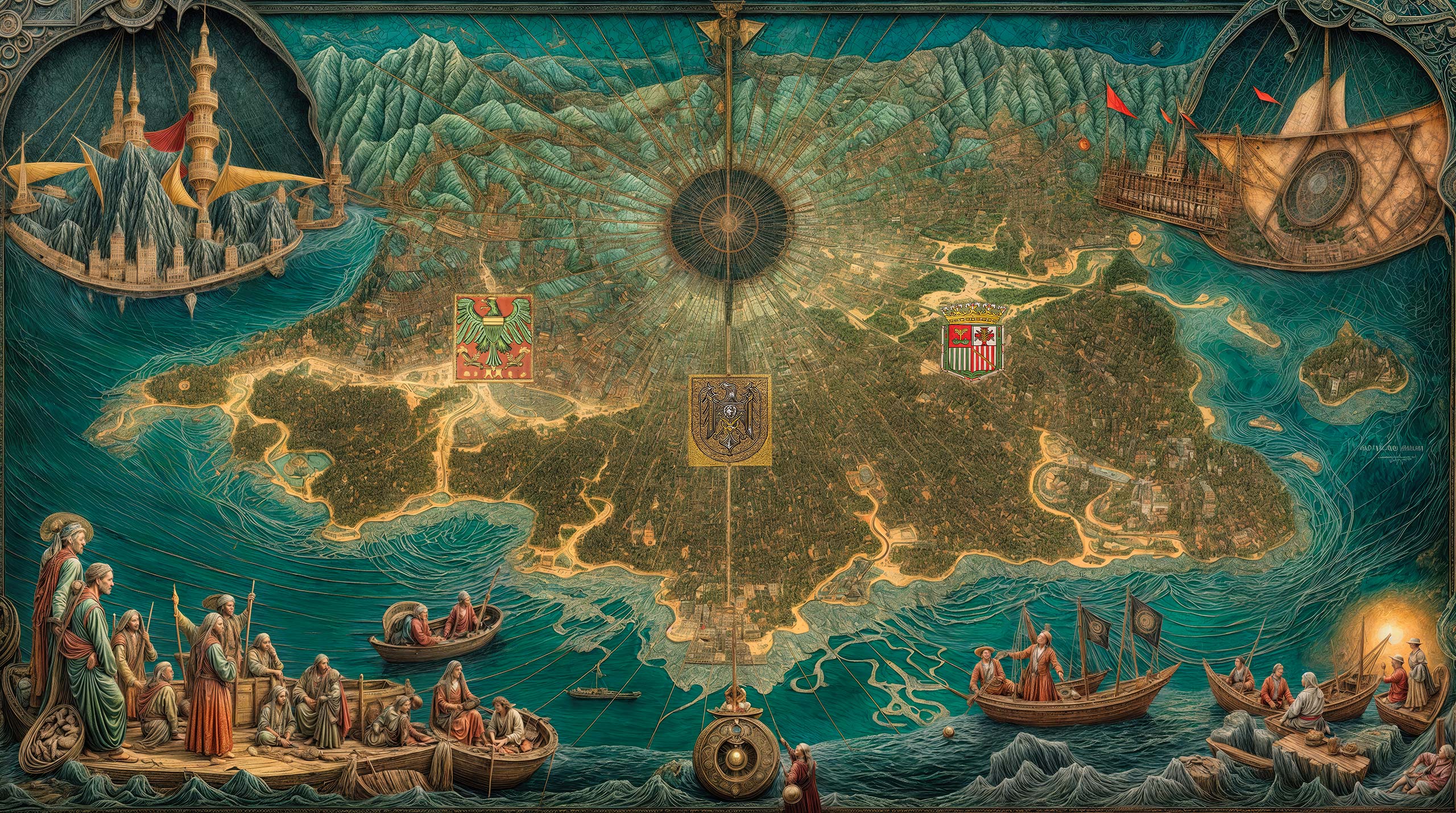
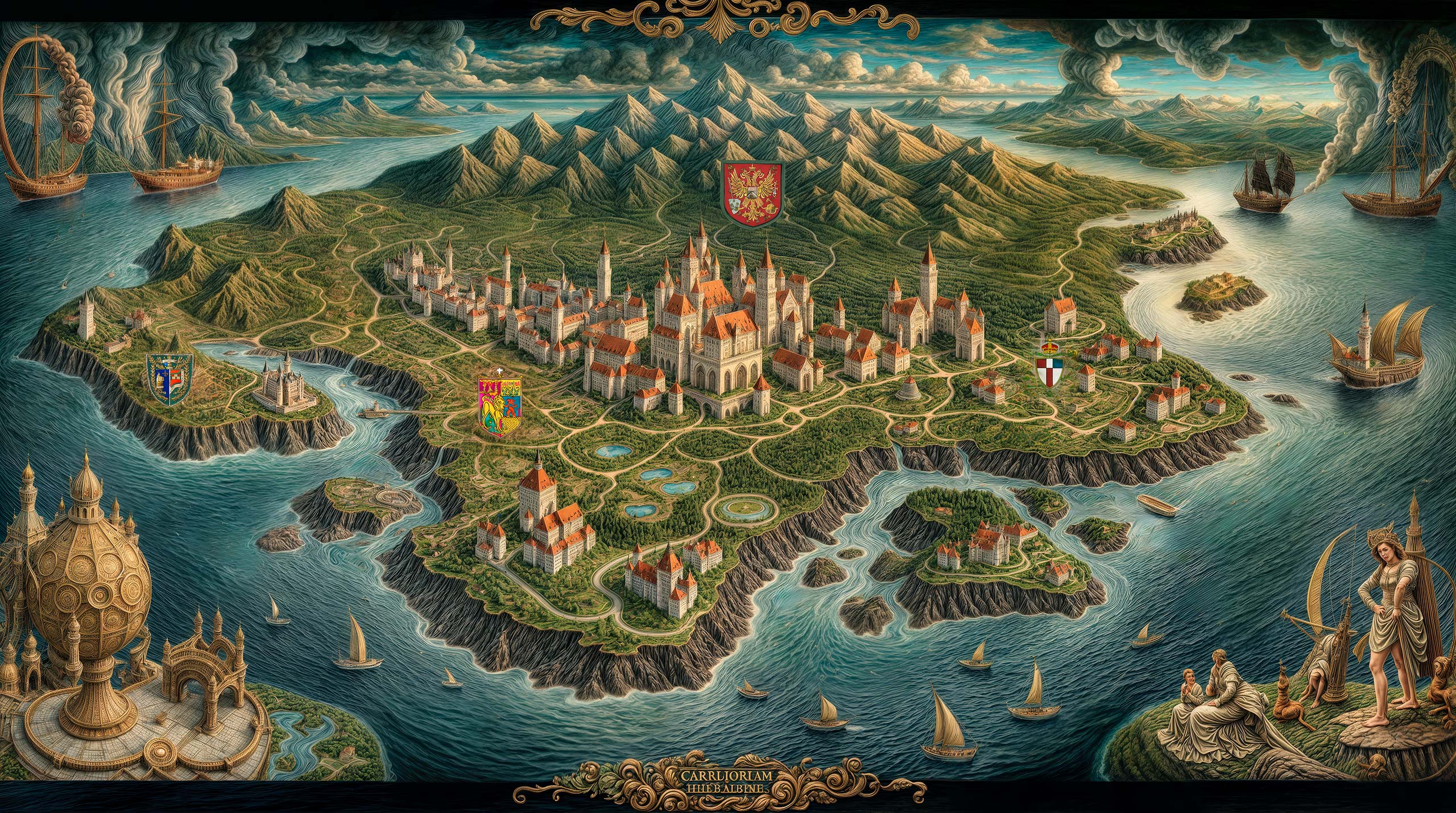
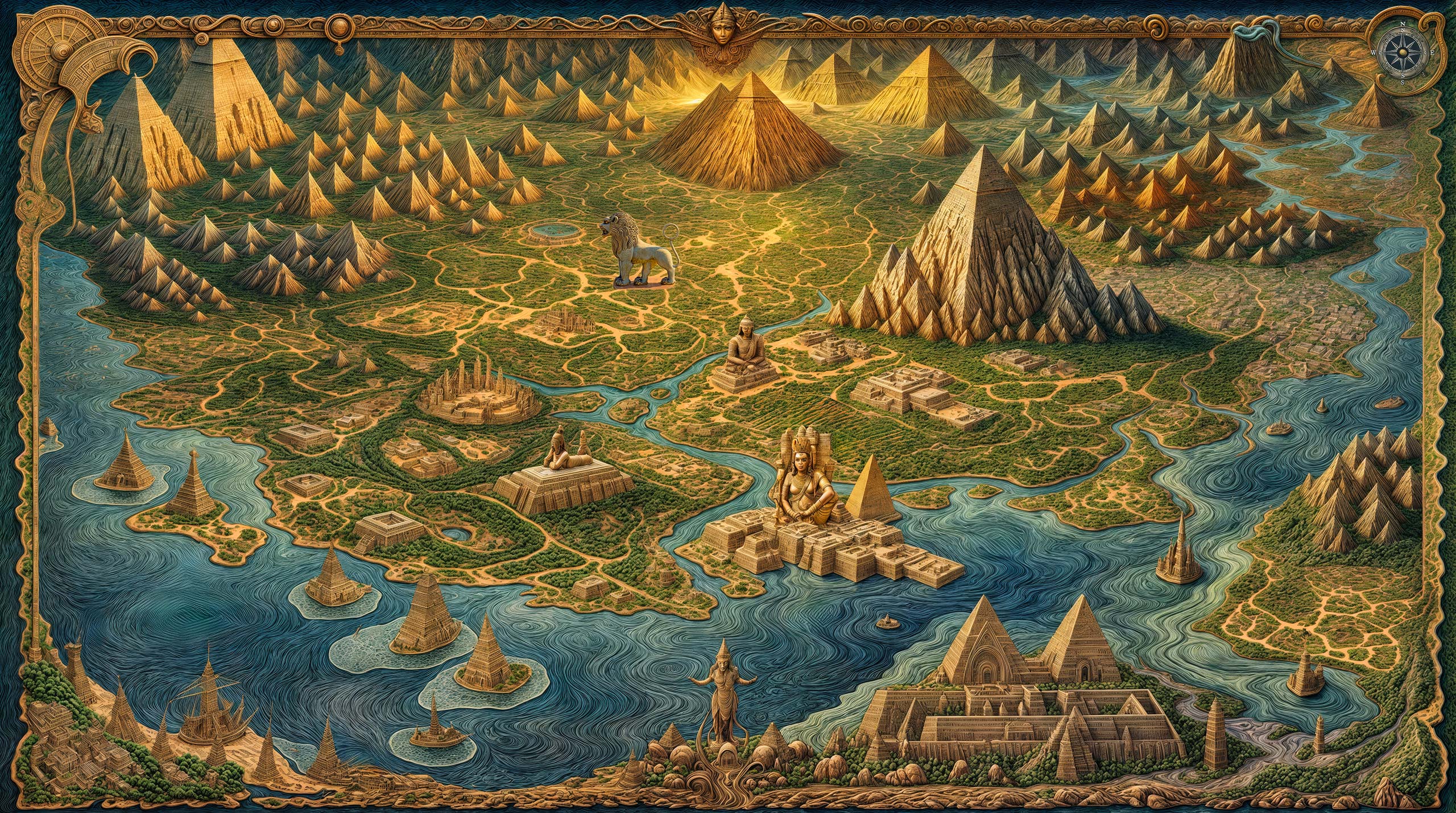
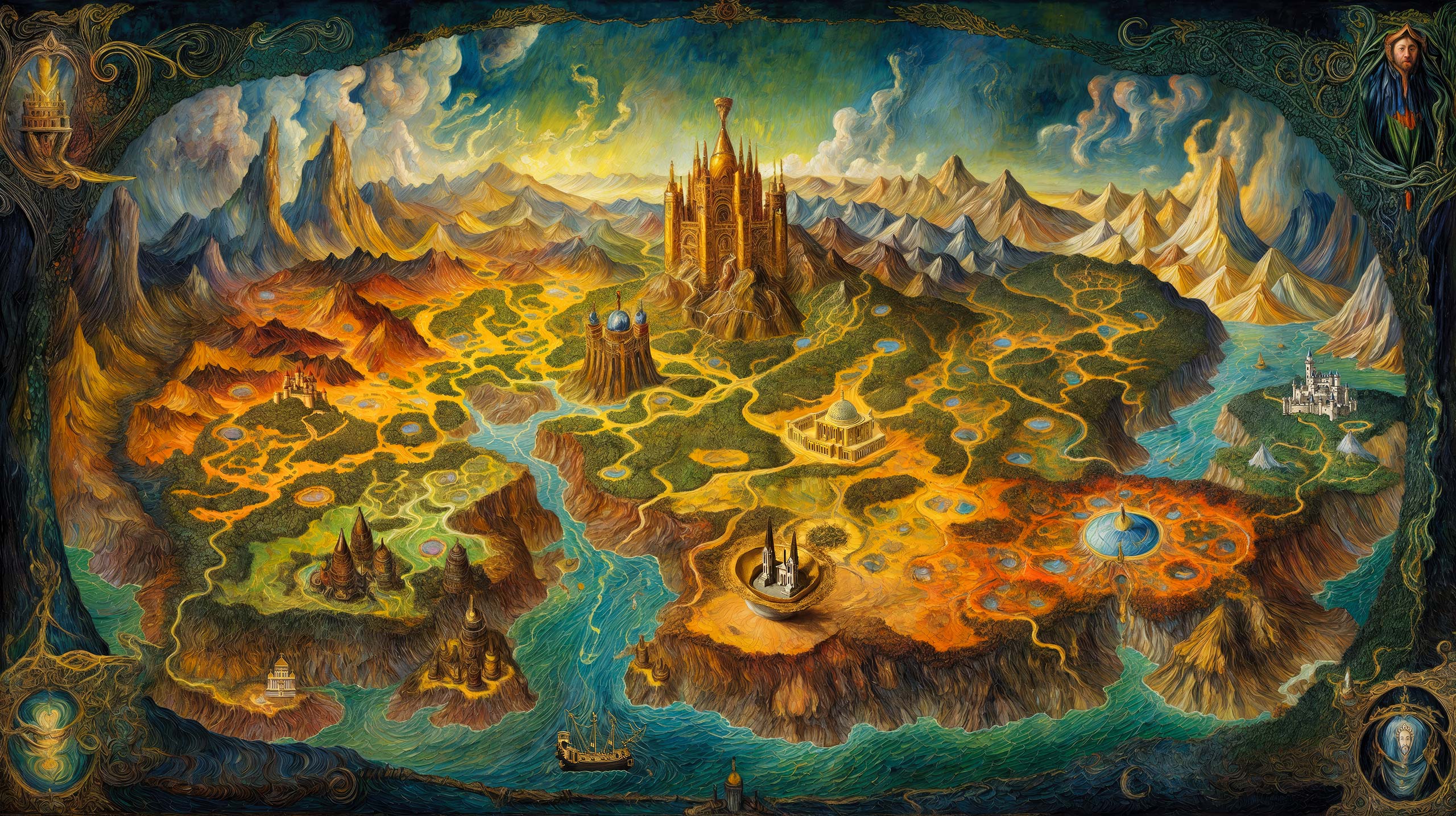
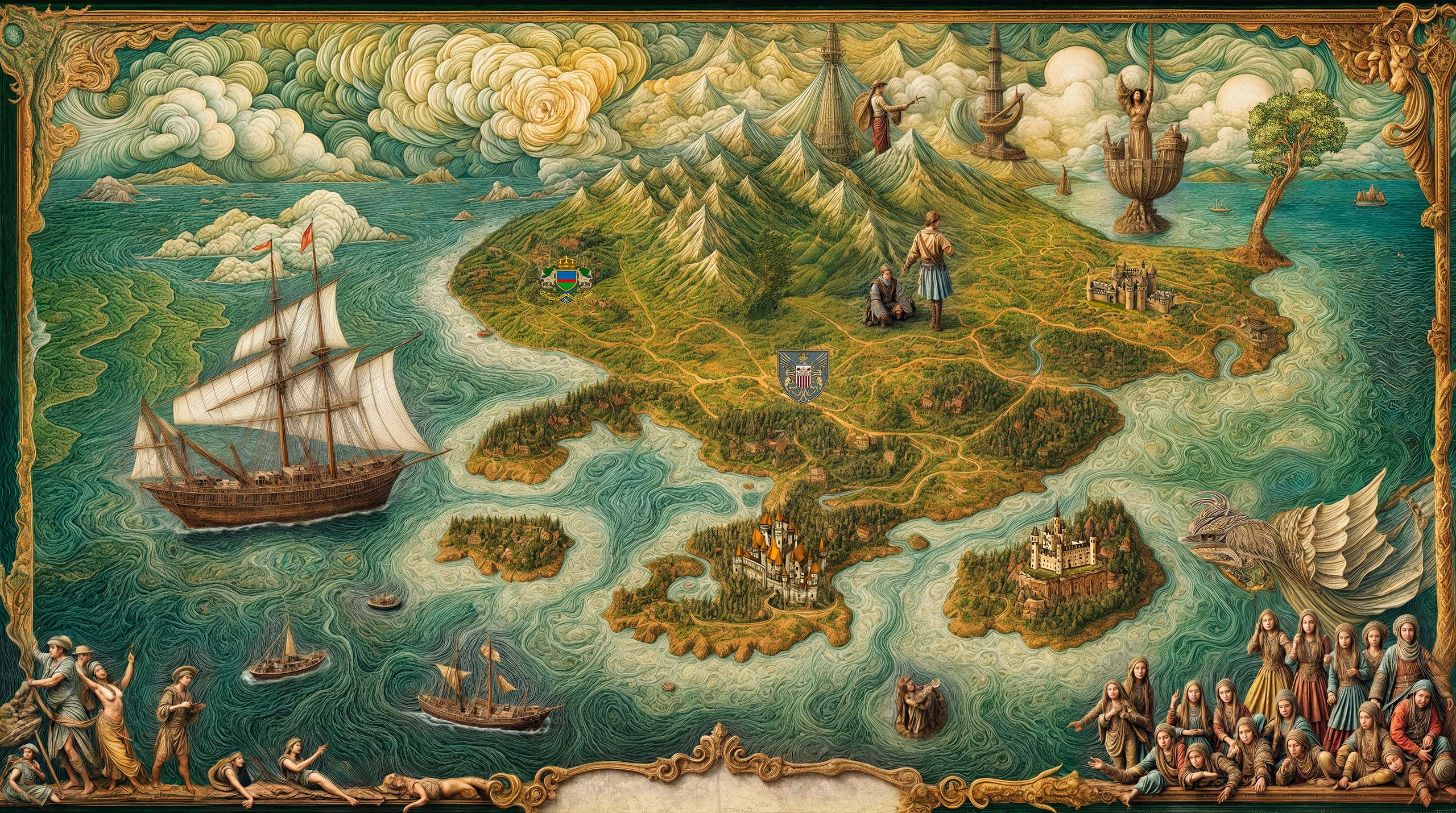
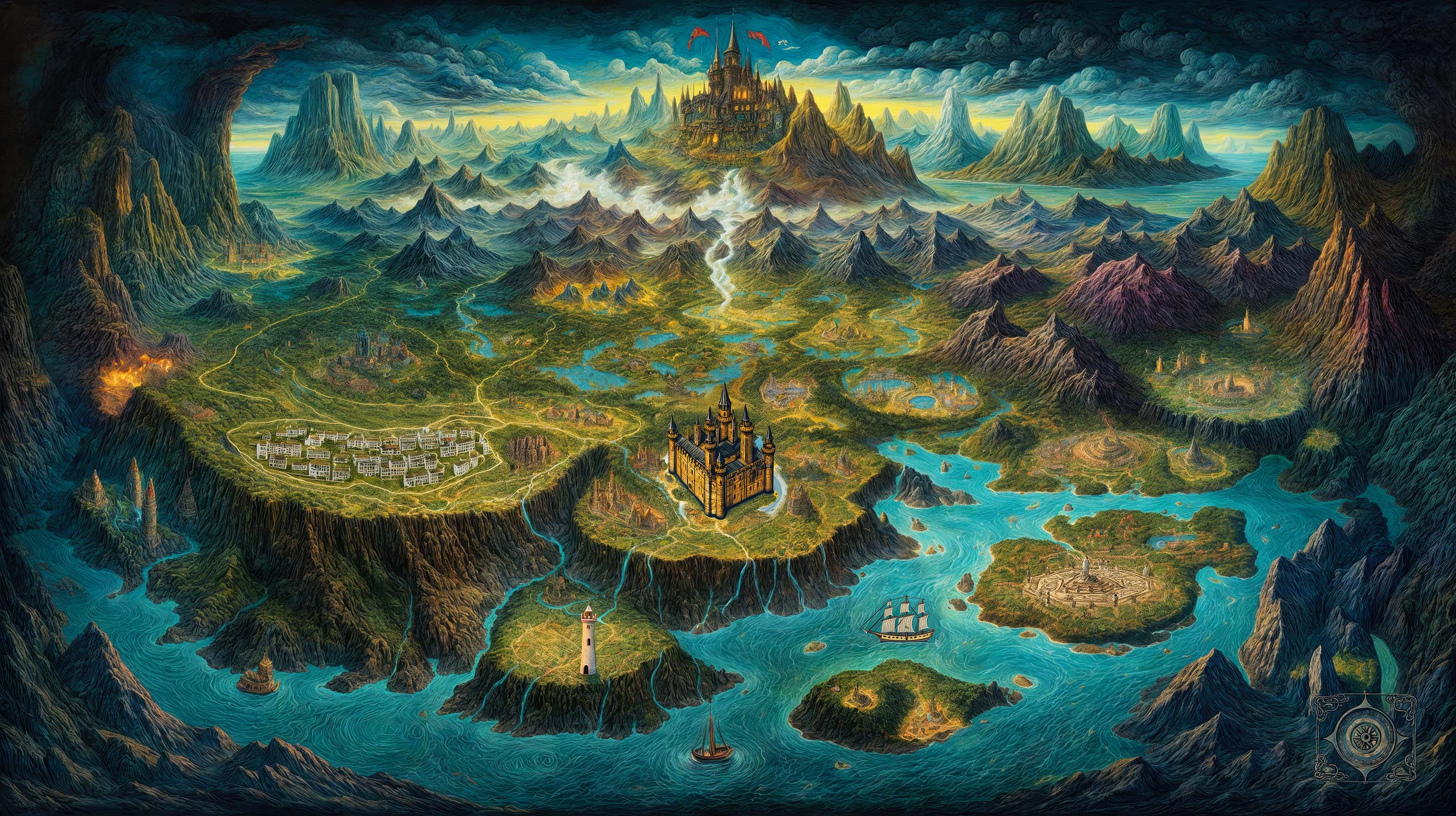
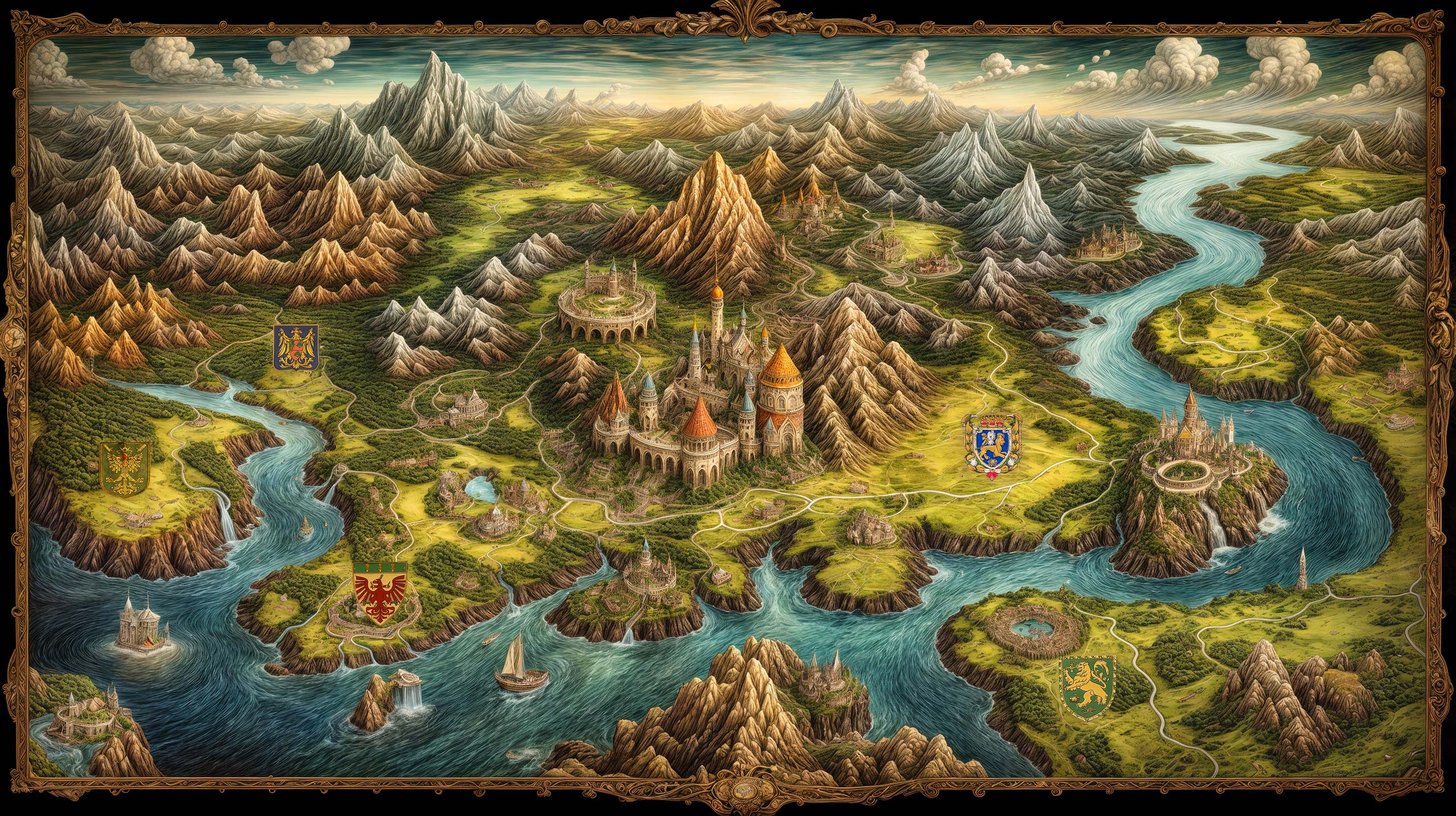
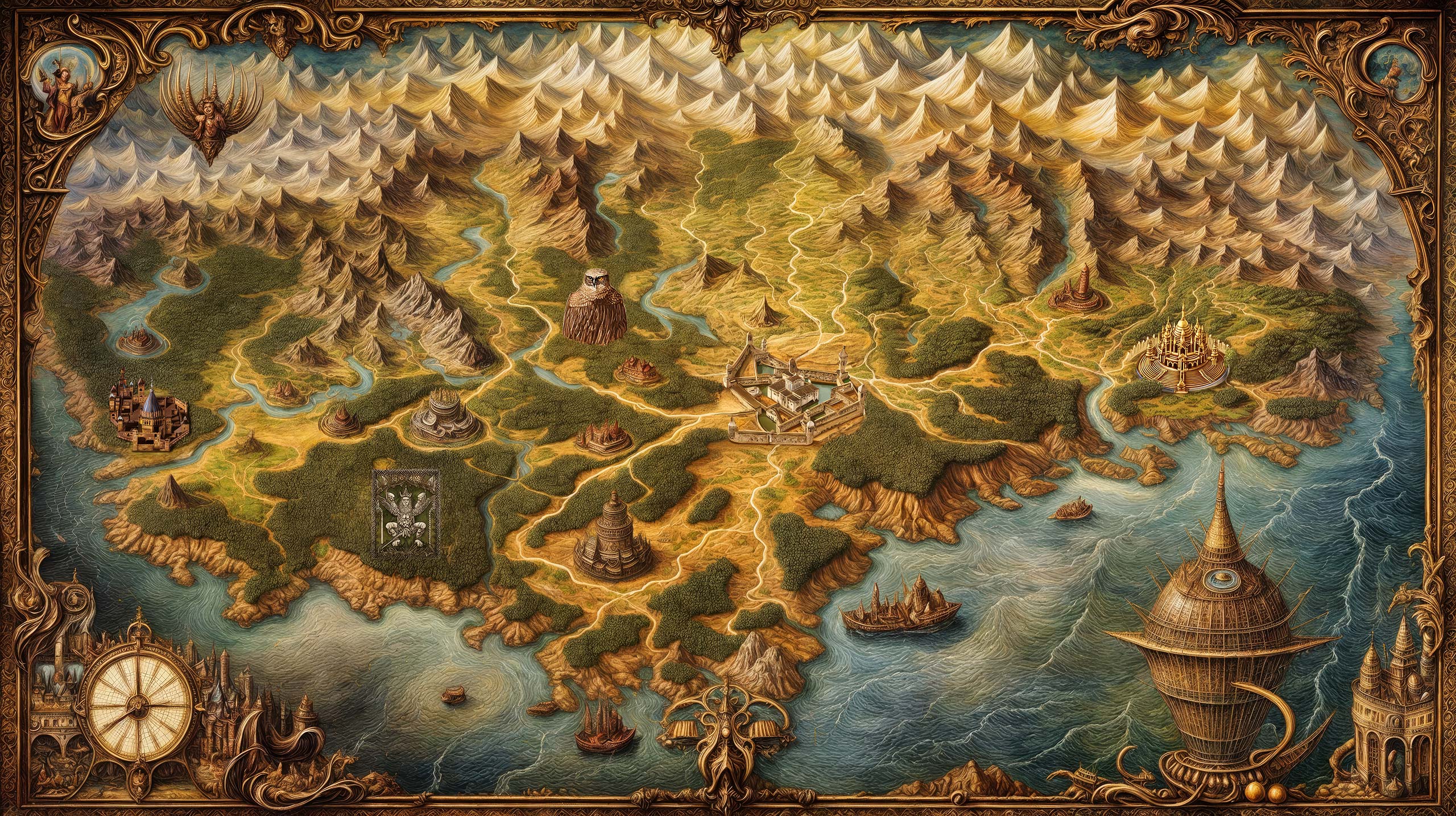
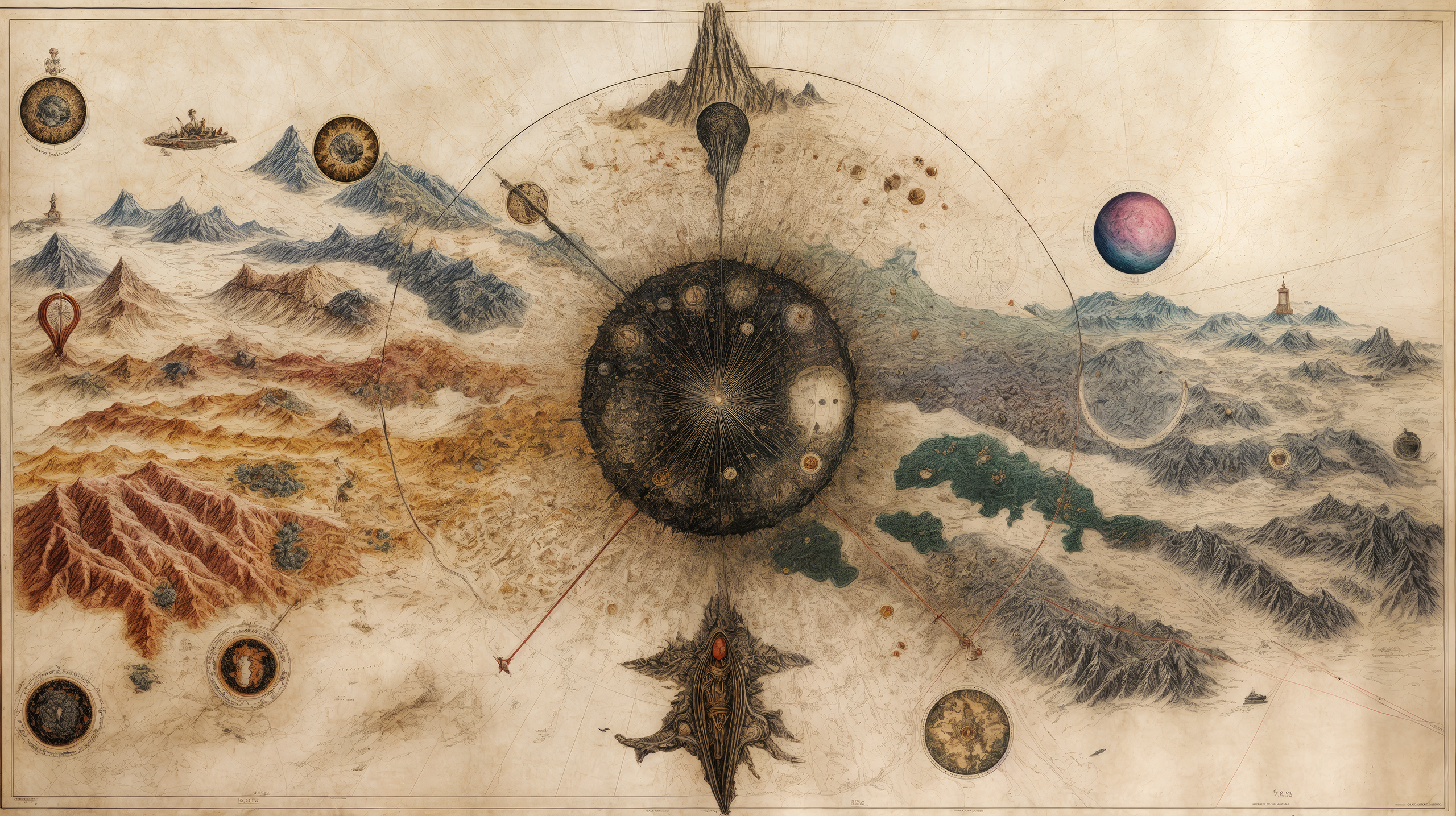
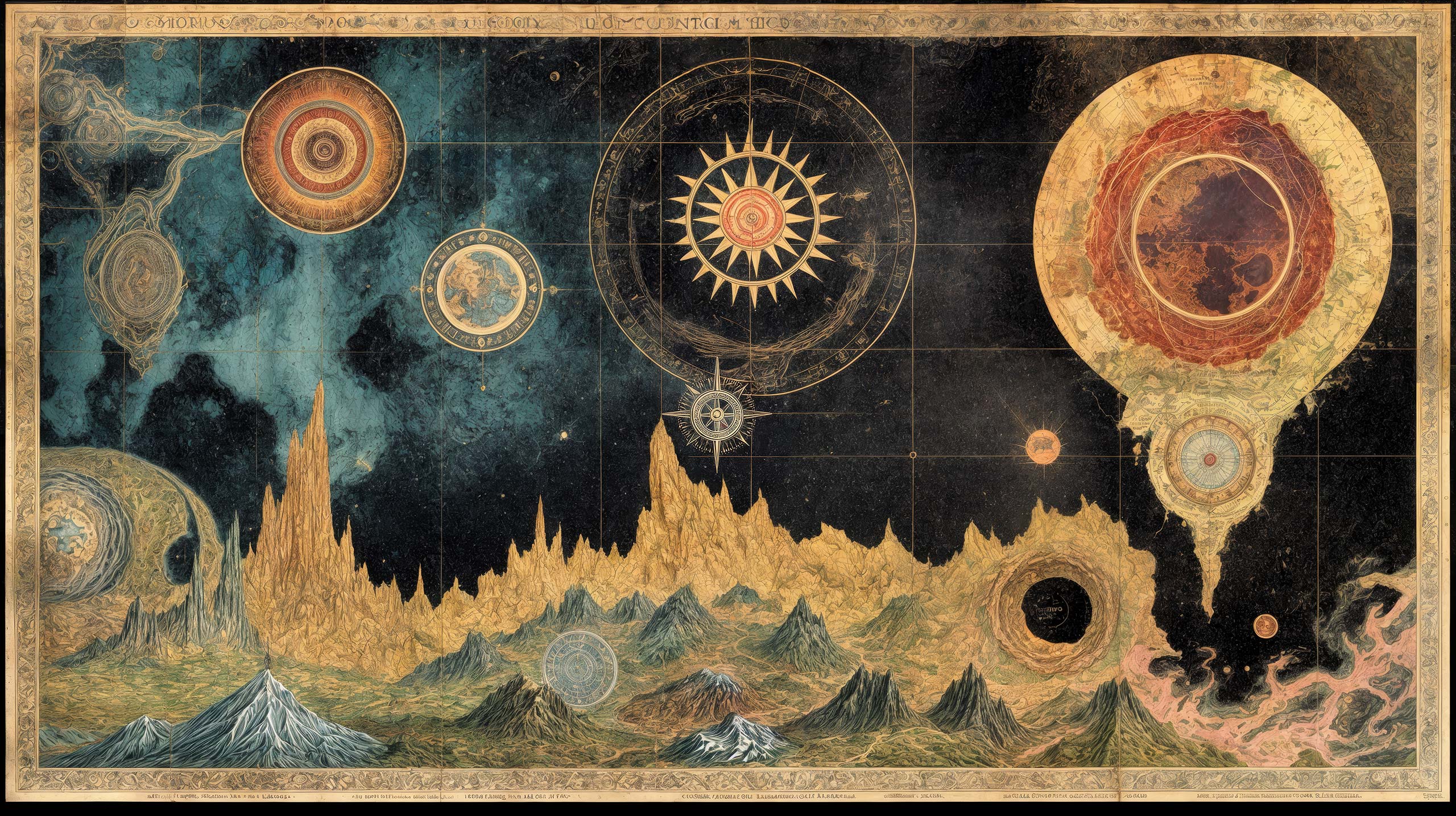
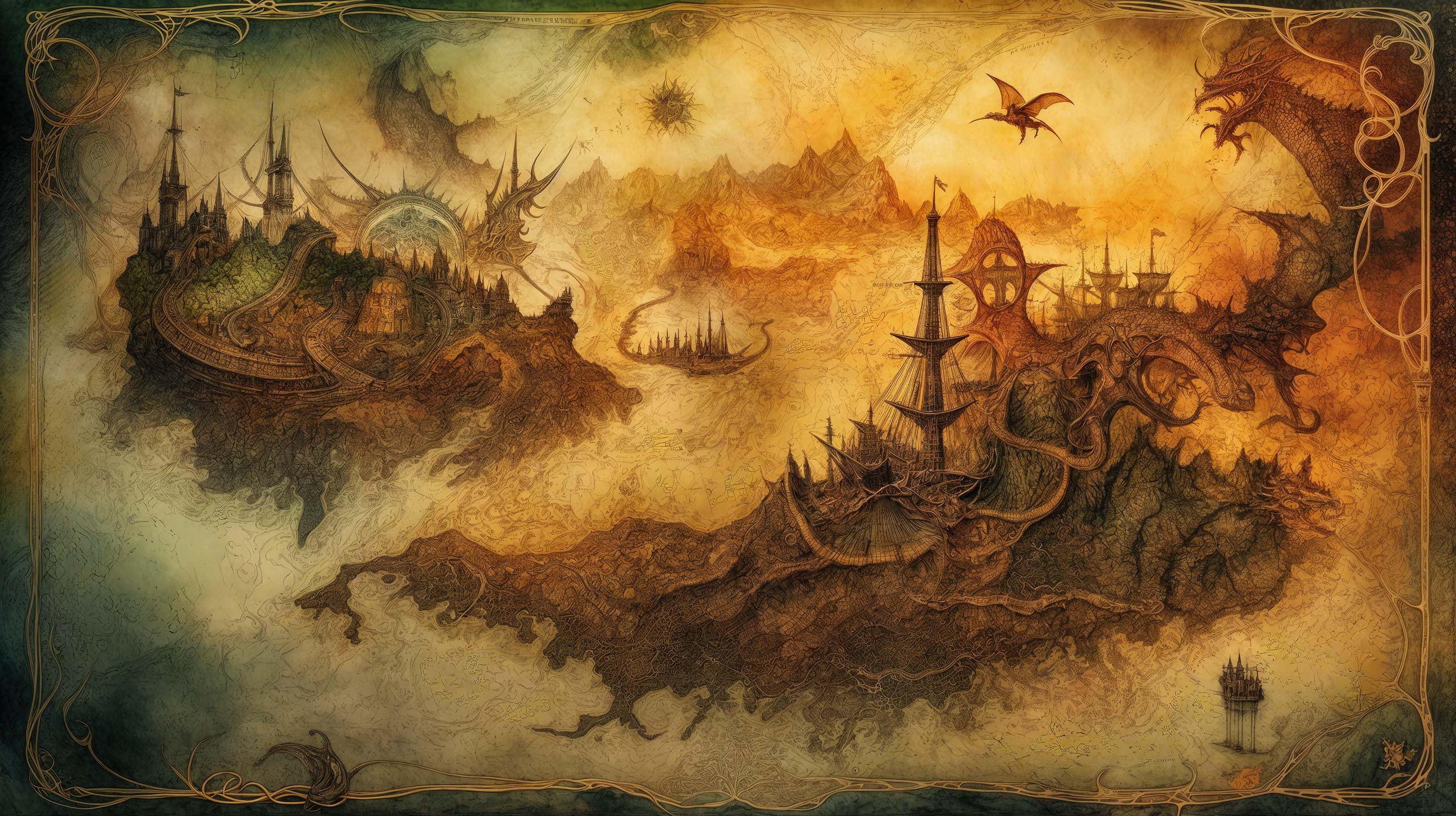
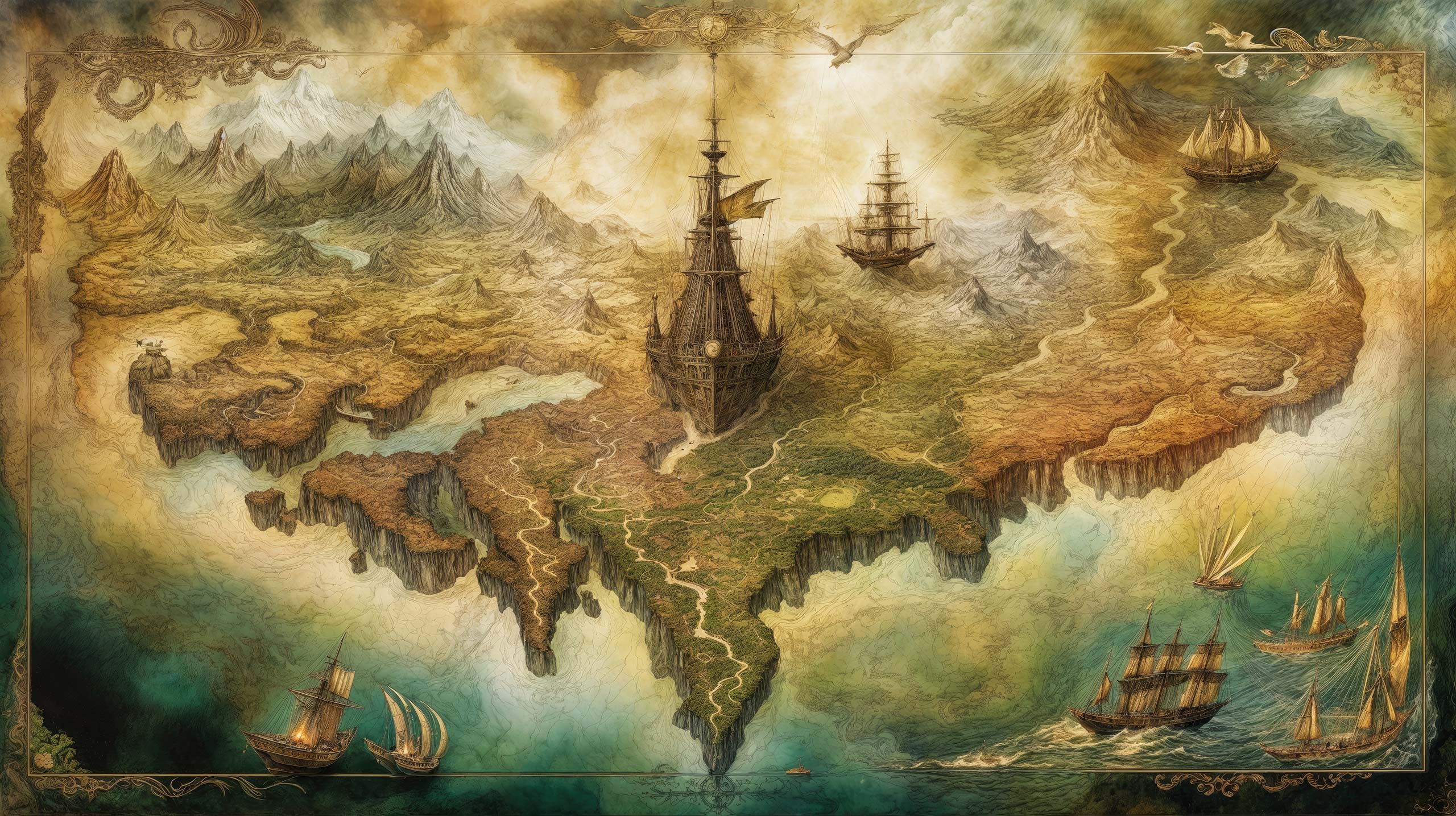
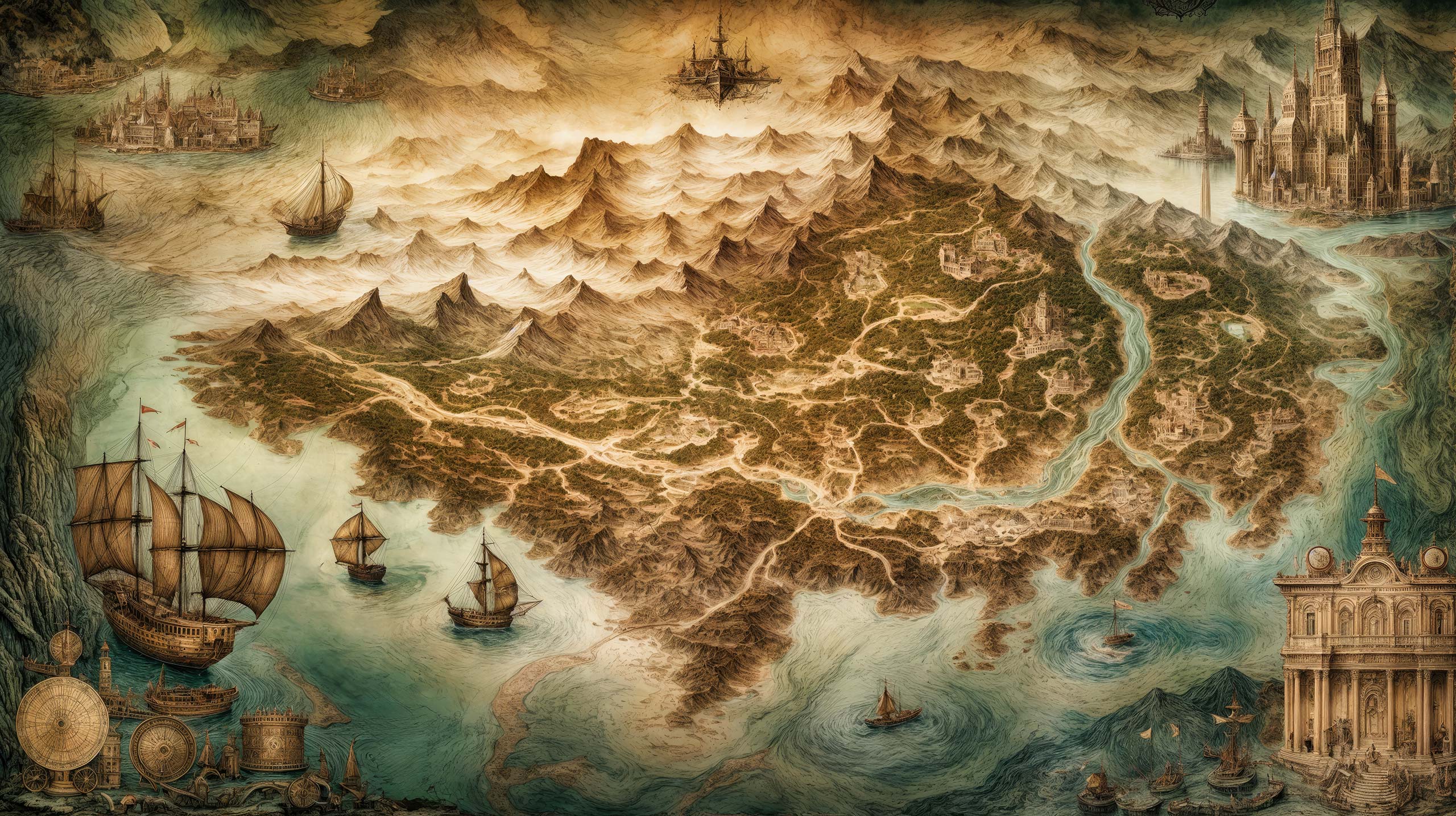
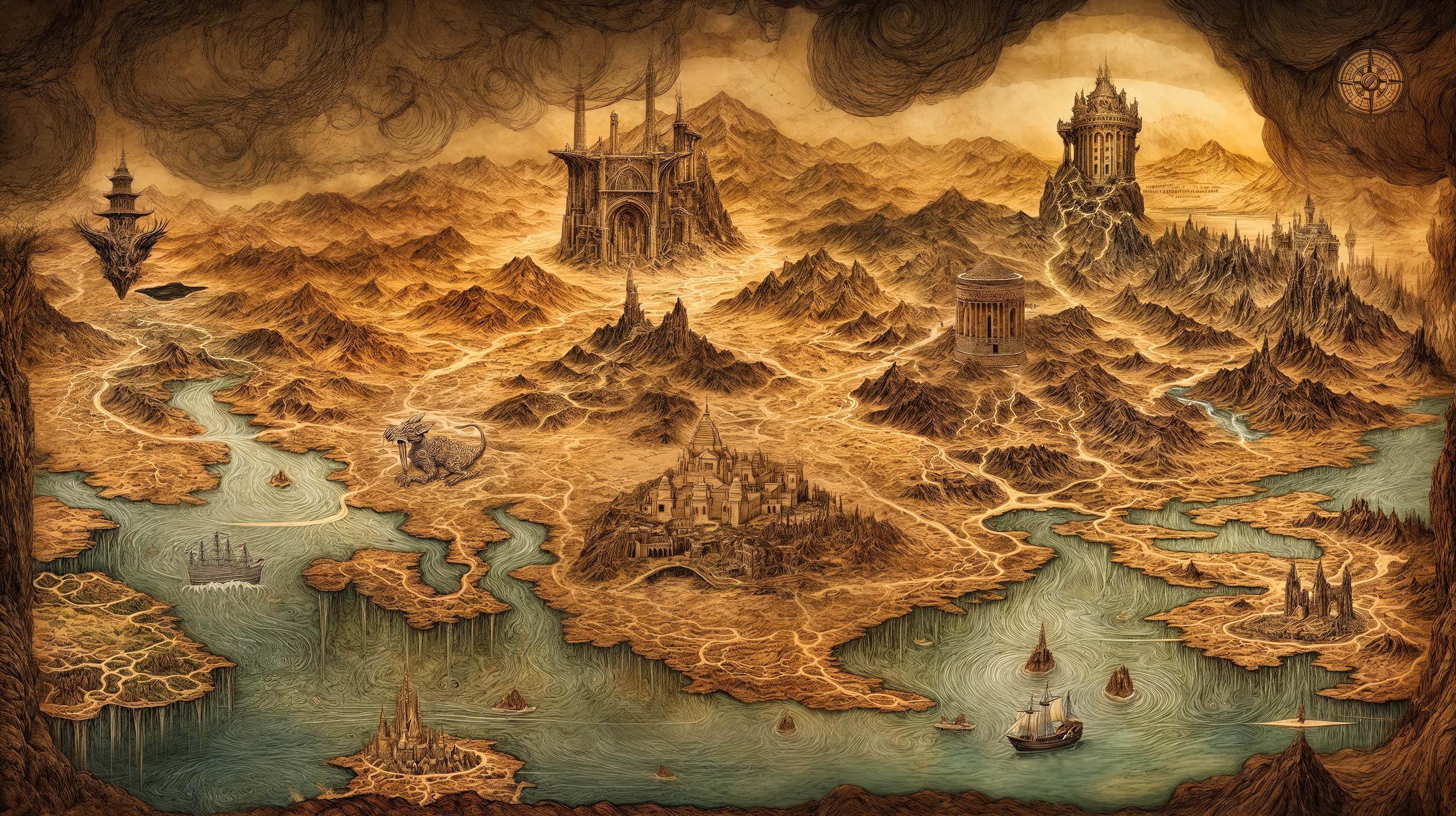
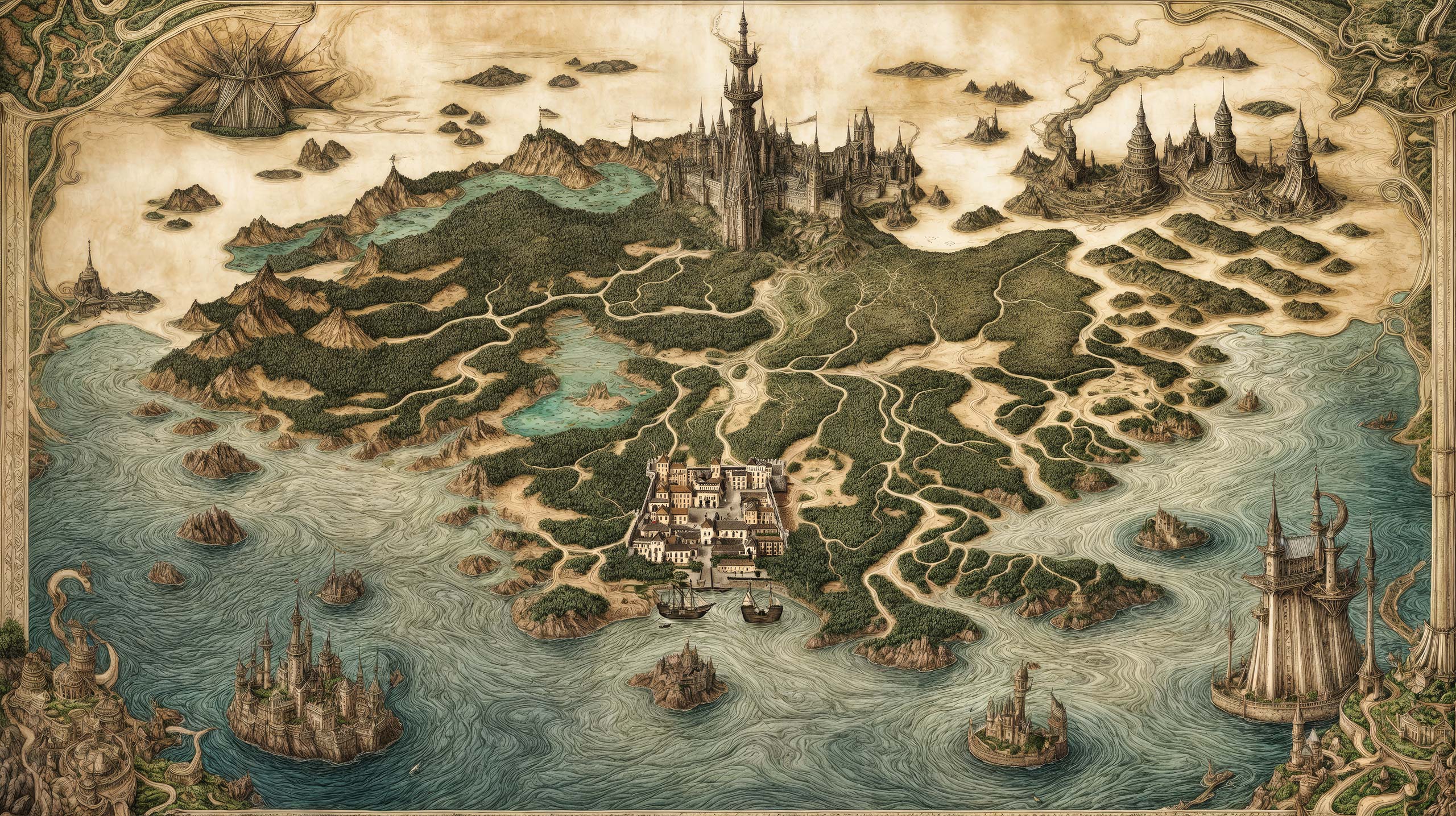
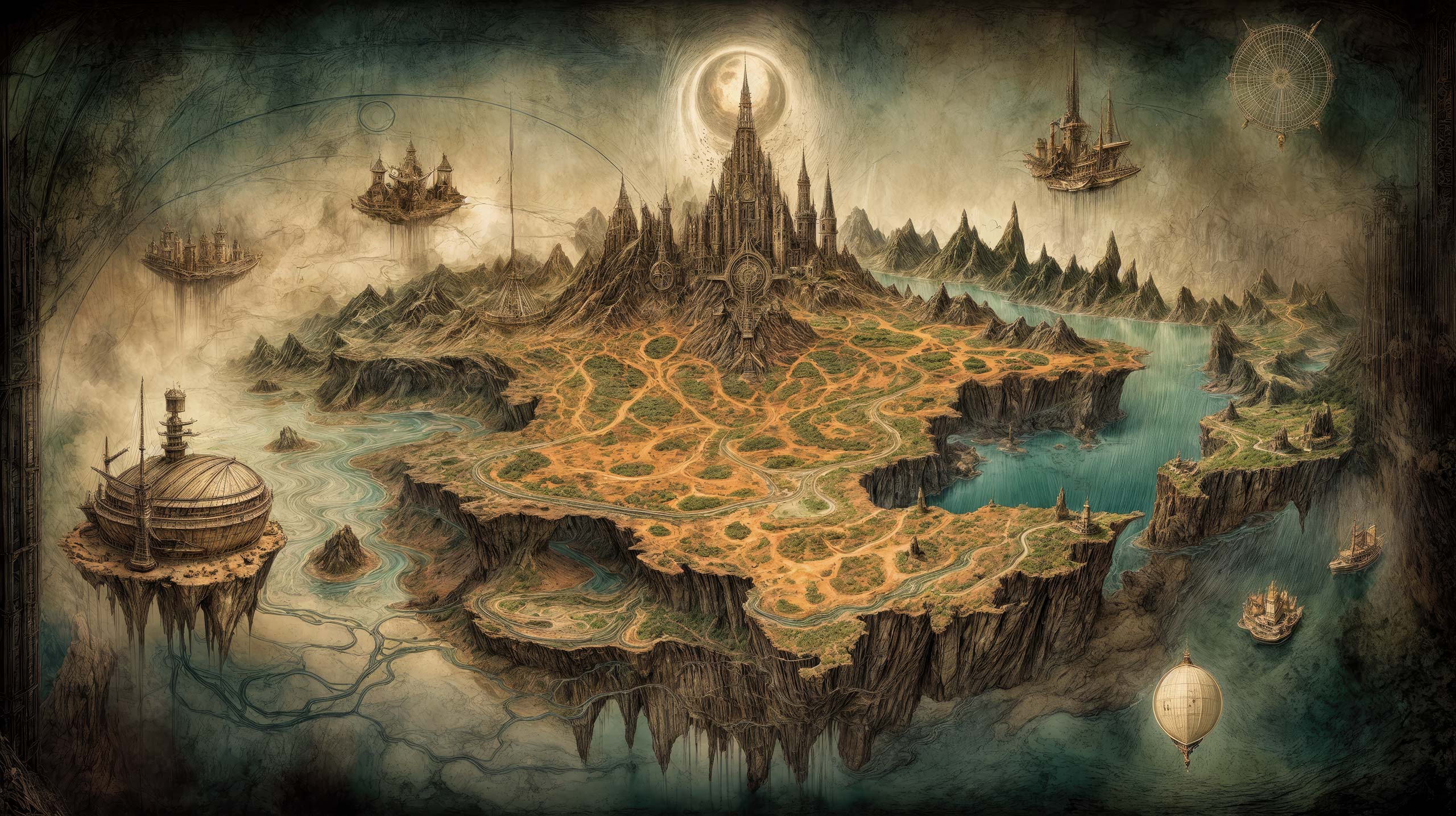
“Terra Incognita” maps out the great unknown, piece by piece, bringing to life the tales and myths of far-off places, capturing the archaic imagination of our ancestors. This series of highly detailed maps and cartographics is inspired by the legends of the Vikings, Celts, Ancient American civilizations, and beyond. Furthermore, the piece delves into the aesthetics of mapmaking, transitioning between 2D sketches, immersive 3D worlds, and venturing into impossibly twisted topographies. Many of these maps blend the art of landscape painting with the craft of cartography, incorporating symbolic markings and elements of navigation, exaggerating key features and sometimes reaching into the surreal.
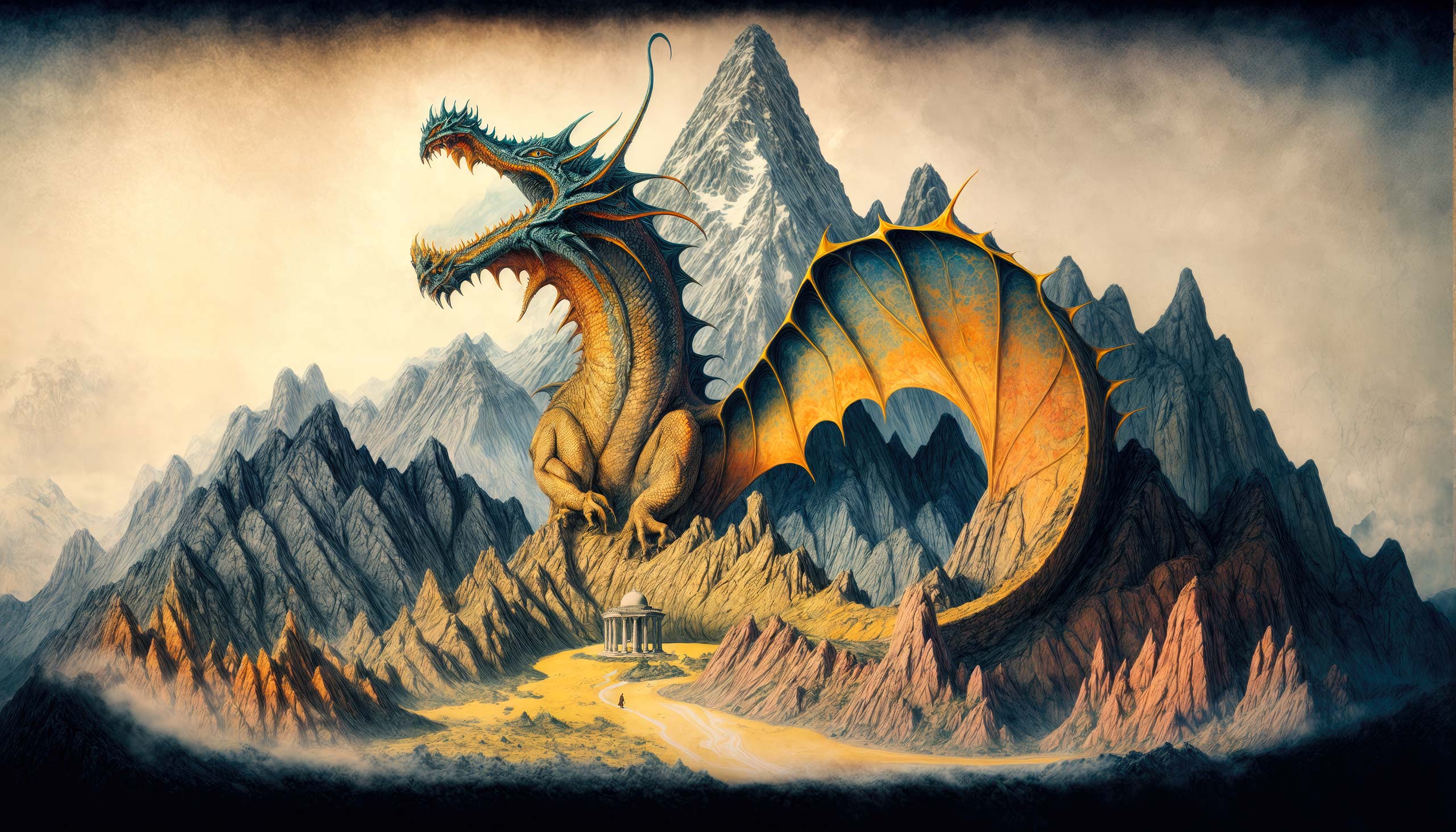
Maps have always been more than mere navigational tools; they are profound representations of our efforts to make sense of, understand, and control the world. Before the Age of Exploration (15th-17th century), the world was full of mystery, where imagination filled the gaps in knowledge. It was common for people to live their entire lives within a small area, only hearing rumors and tales from travelers about distant lands. The few maps that existed were often full of errors, and where the maps ended, the vast unknown began. Mythical creatures, such as sea monsters or dragons, were believed to inhabit these misty, uncharted territories, marking the boundaries of the known world.
“Terra Incognita” embraces this sense of mystery, revealing unexplored lands brimming with imagination, rooted in ancient myths and folklore. These maps depict unknown territories beyond the seas, pieced together from fragmented memories, legendary tales, and the accounts of a few daring explorers. Each map, both ancient and symbolic, is a canvas of cryptic riddles yearning to be solved. Hidden pathways and intricate mazes lie in wait, promising untold treasures to those who dare to explore.
The art of mapmaking—capturing and observing the environment from a high vantage point—enables us to feel in command of our surroundings. Our drive to seek out high places for panoramic views or to construct sacred structures on elevated ground reflects the human desire to attain a god-like perspective, seeing the world in its entirety. This bird’s-eye view can be seen as a metaphor for transcendence. Building on this idea, “Terra Incognita” explores the sacred lands, revealing the vast landscapes where the divine and the real intertwine.
Moreover, the widespread belief in divinely ordered cosmos influenced ancient mapmaking and was reflected in maps and city plans incorporating sacred geometry. Many ancient maps and city plans were aligned with celestial bodies, such as the sun, moon, and stars, highlighting their religious and cultural significance. Religious symbols and icons were frequently integrated into maps, such as depictions of gods, saints, or sacred animals, to convey the divine protection over the land and its inhabitants. In a similar vein, as your eyes traverse the realms of “Terra Incognita”, you will encounter diverse mythic guardians watching over their lands alongside hidden symbols, armorial bearings and sacred markings.
Today, we simply open our favorite maps app, enter an address, and reach our destination without surprises. There’s little room for mystery when every corner of the earth is mapped out, and we can virtually visit most places with a few clicks. Our view of the world is profoundly different, which may be why the archaic imagination of pre-modern people is so captivating. Yet, when we gaze at the stars in the sky and contemplate the vastness beyond our planet, we can still experience a sense of awe. The universe remains largely unexplored, unexplained, and beyond our comprehension, reminding us that, despite our technological advances, some mysteries remain timeless and ever intriguing.