RICE · THE FORM
A broken grain.
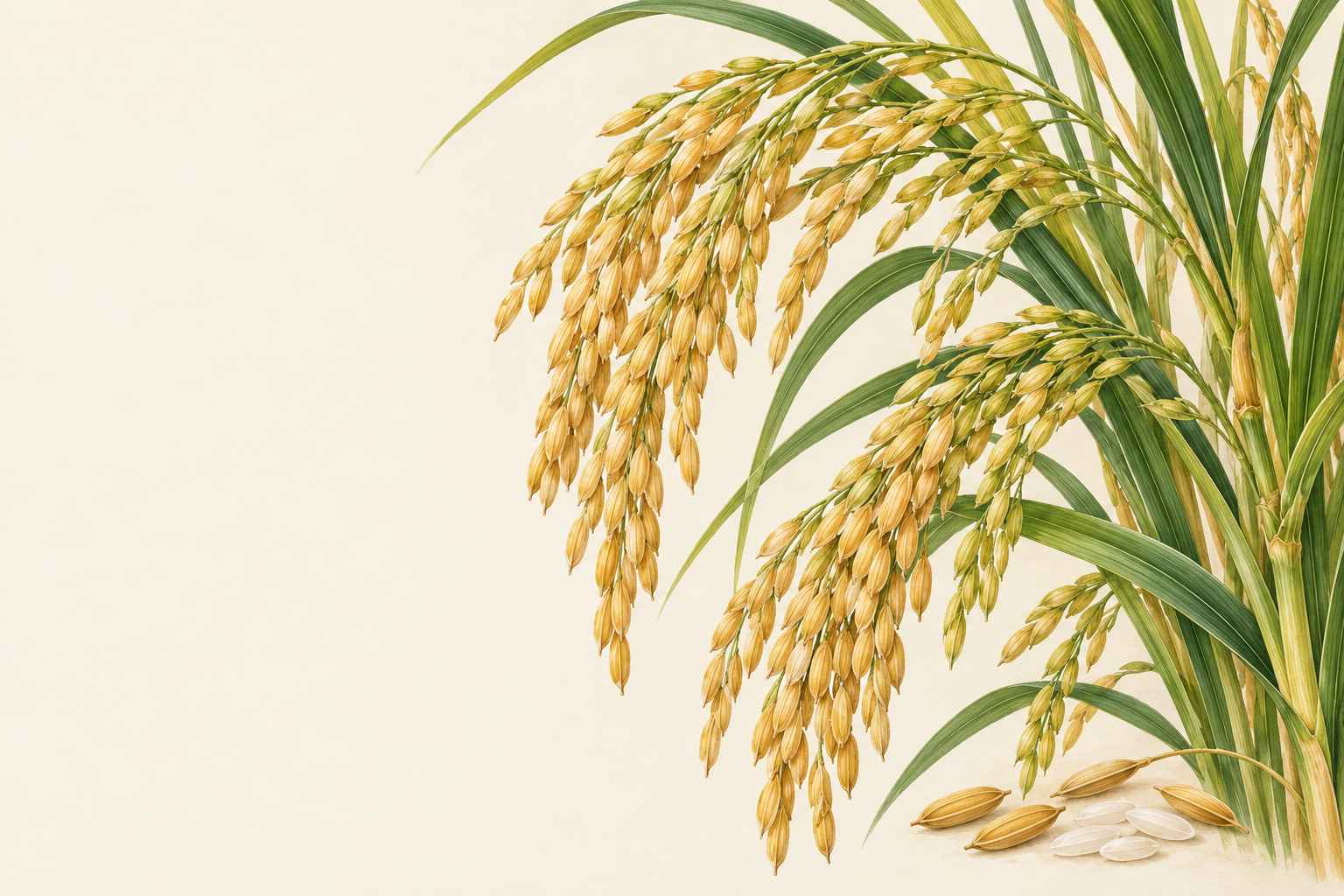
Senegal’s UNESCO record describes Ceebu Jën with broken rice. Broken refers to the kernel’s physical form, not a separate species.
Explore rice DESIGN: SOMETEK.FI
 THE CONNECTIONS 04 / 04
A SHORT STORY ABOUT MAKING
Rice and maize. Three dishes shaped by technique and tradition.
EXPLORE THE CONNECTIONA kernel can stay whole, break or become dough. Its form meets a cooking method—and a particular food tradition.
LOOK ACROSS THE COLLECTION
Choose a dish to connect the grain with the work around it.
SENEGAL / Rice, fish and shared knowledge
RICE · THE FORM
Senegal’s UNESCO record describes Ceebu Jën with broken rice. Broken refers to the kernel’s physical form, not a separate species.
Explore rice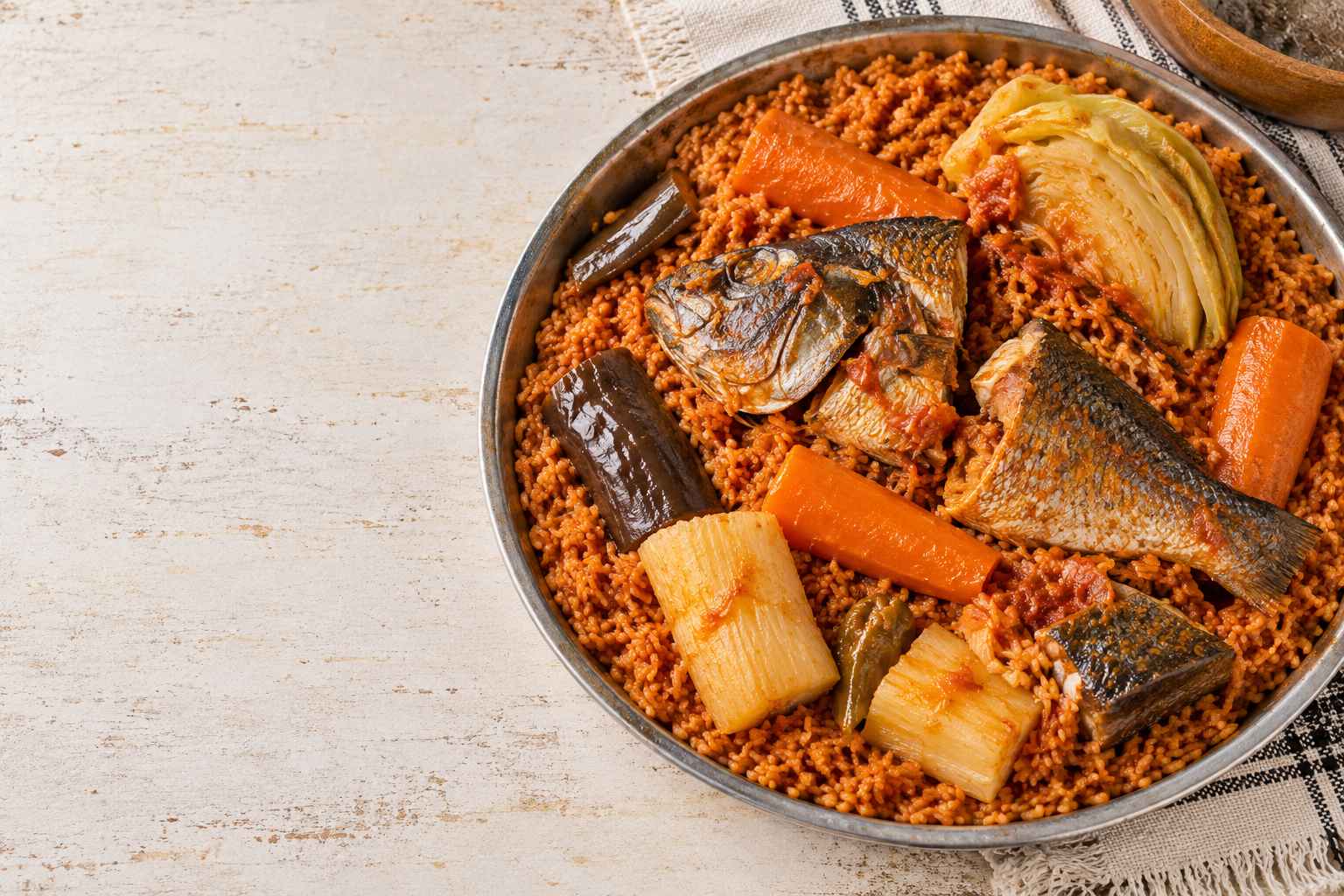
CEEBU JËN · THE MEAL
UNESCO recognises the dish and the knowledge around it. This exhibition’s selected cooking recipe uses basmati; the distinction stays visible.
Enter Ceebu JënVALENCIA / A grain in a wide pan
RICE · THE CHOICE
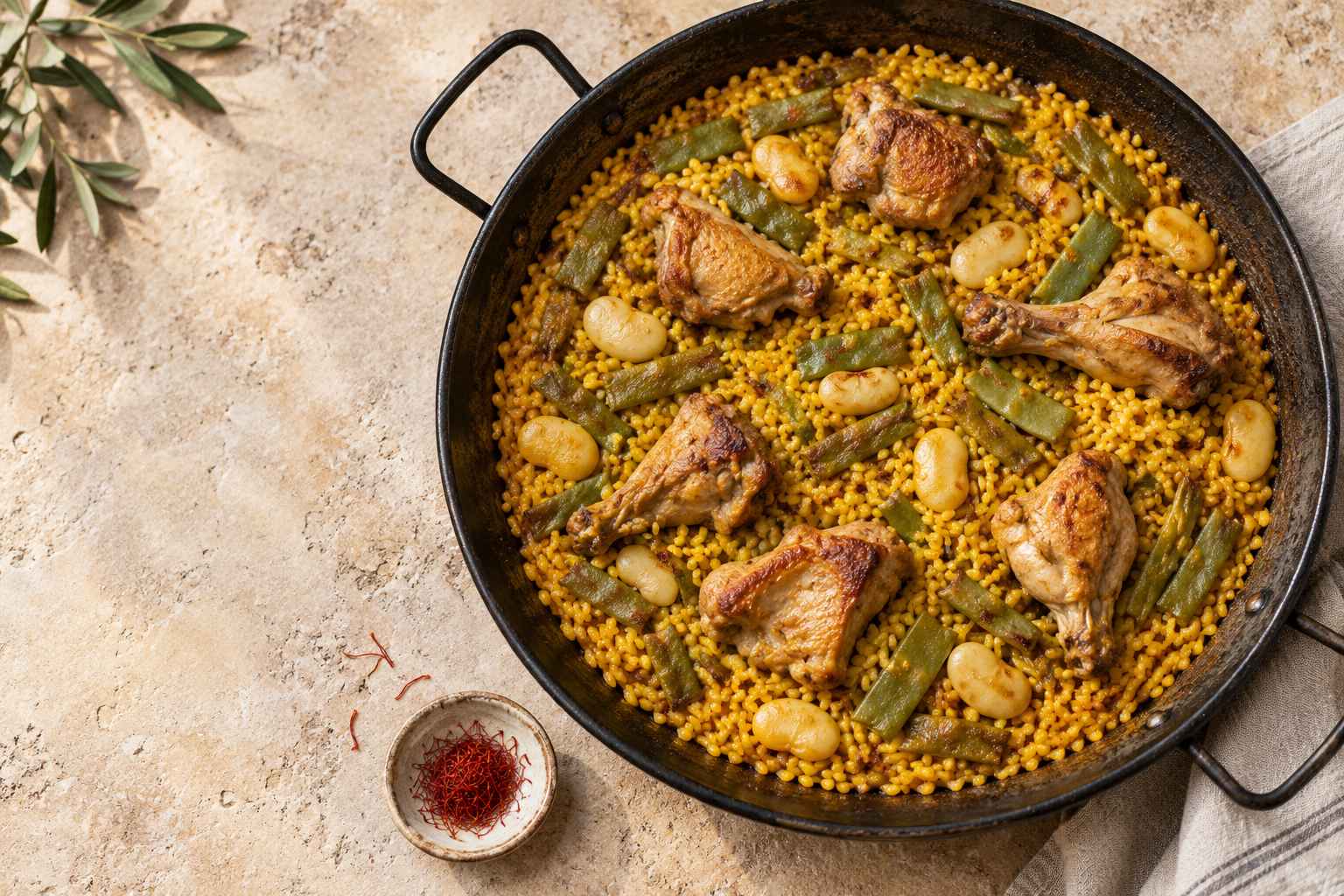
The regional recipe explored here specifies Valencia DOP rice. Variety and method belong together in this particular preparation.
Follow the grainPAELLA VALENCIANA · THE MEAL
Rice cooks with the broth in the selected Valencian recipe, alongside chicken, rabbit, beans and saffron. The pan gives the preparation its shape.
Enter paella valencianaMEXICO / From kernel to masa to parcel
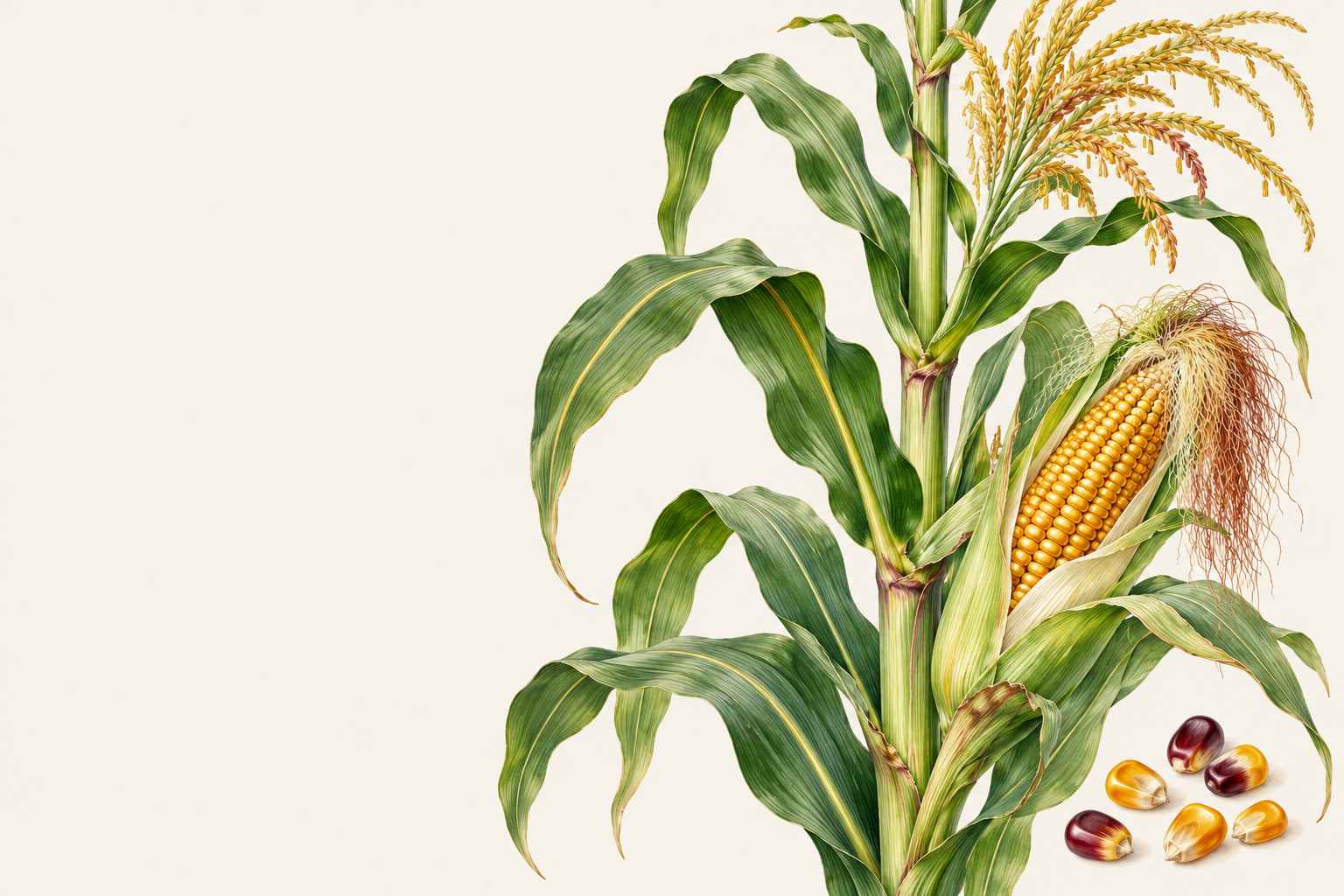
MAIZE · THE TRANSFORMATION
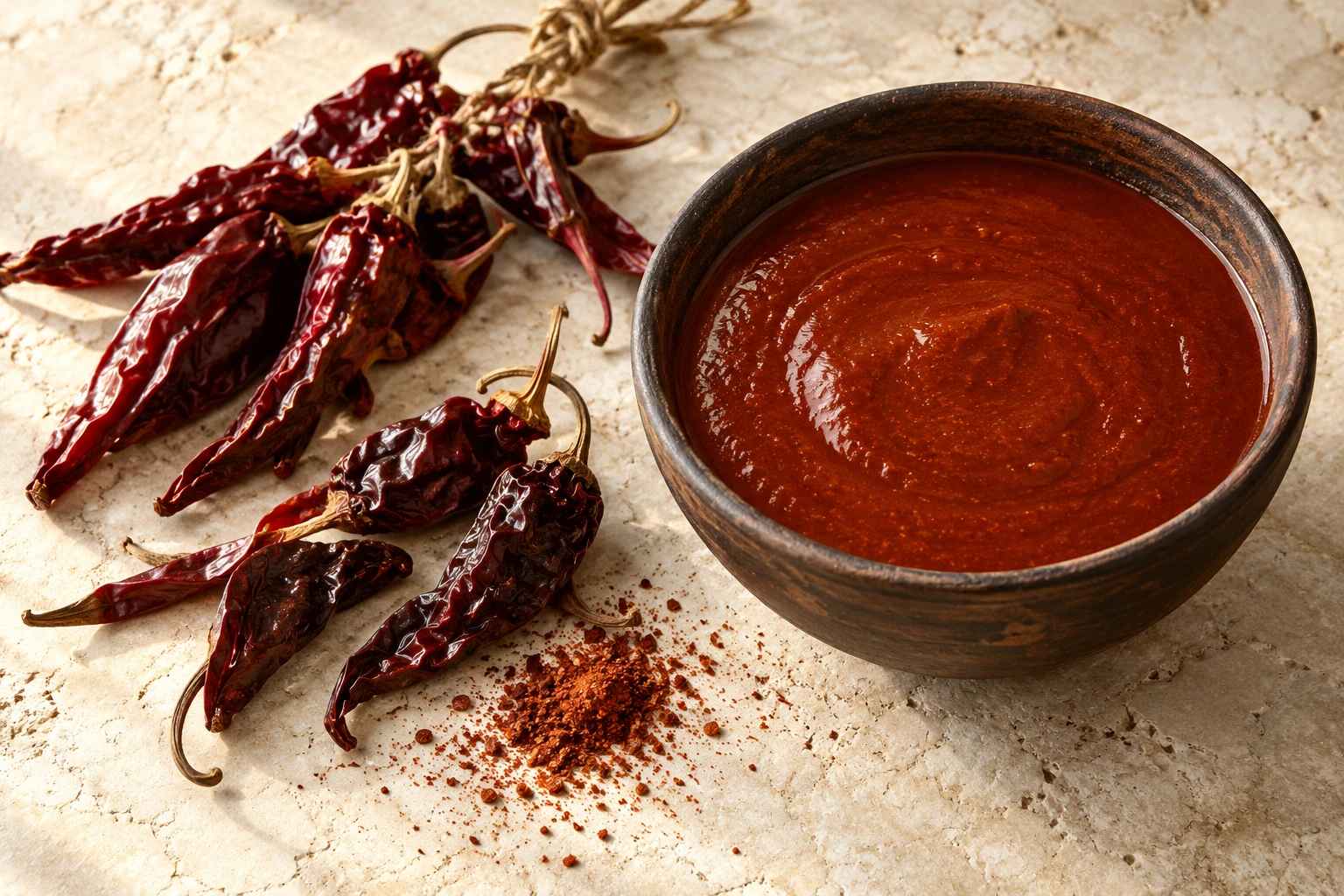
Nixtamalization treats maize in an alkaline liquid before grinding into masa. The selected tamal recipe begins with rehydrated masa harina.
Explore maizeTAMALES · THE MEAL
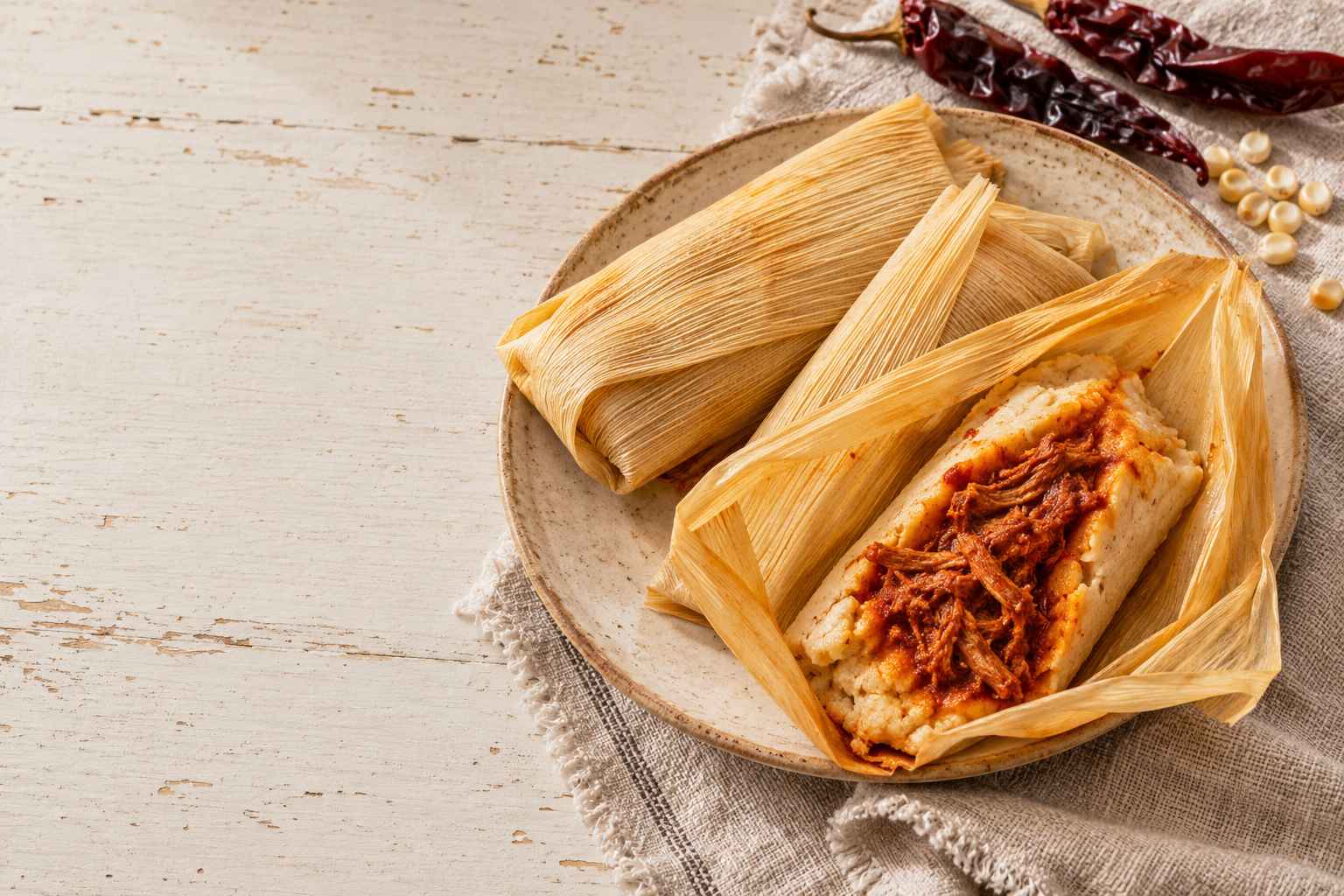
Mely Martínez’s red pork tamales bring dough and filling together inside corn husks. The wrapping holds the next transformation.
Enter tamalesThese are three attributed preparations, not an account of all rice or maize traditions. The linked exhibitions retain their regional and recipe context.