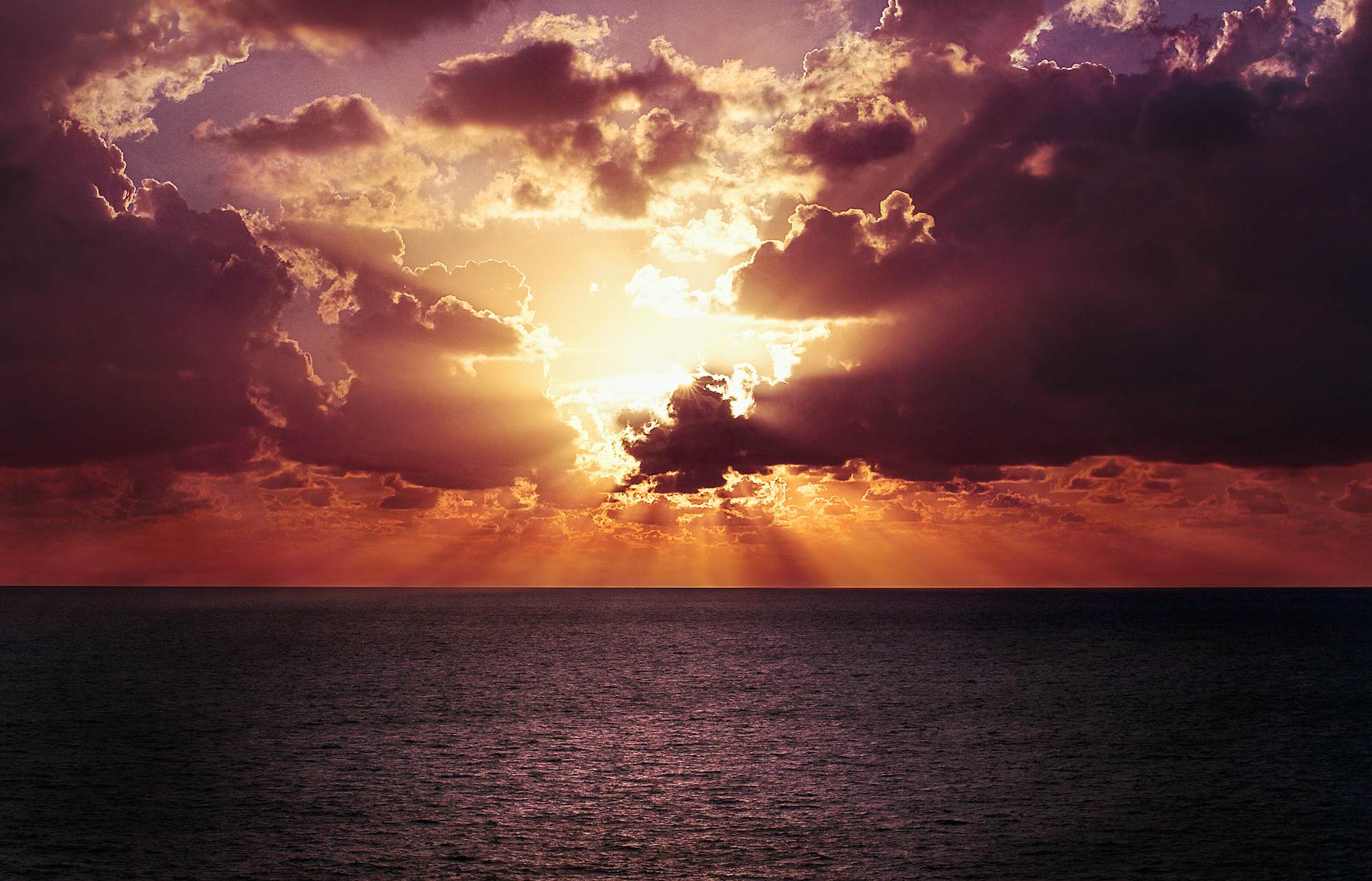
Golden sunlight breaking through dramatic clouds over a dark sea

An atmospheric anthology

The sky takes over.

Five chapters. Countless ways to feel the weather.

Enter the stories
Scroll to explore

The world, felt differently

Weather is more than a backdrop.
It changes the way we see,
the way we move, the way we remember.

An exploration in five chapters
01 / Disappearance

The edges begin to soften.

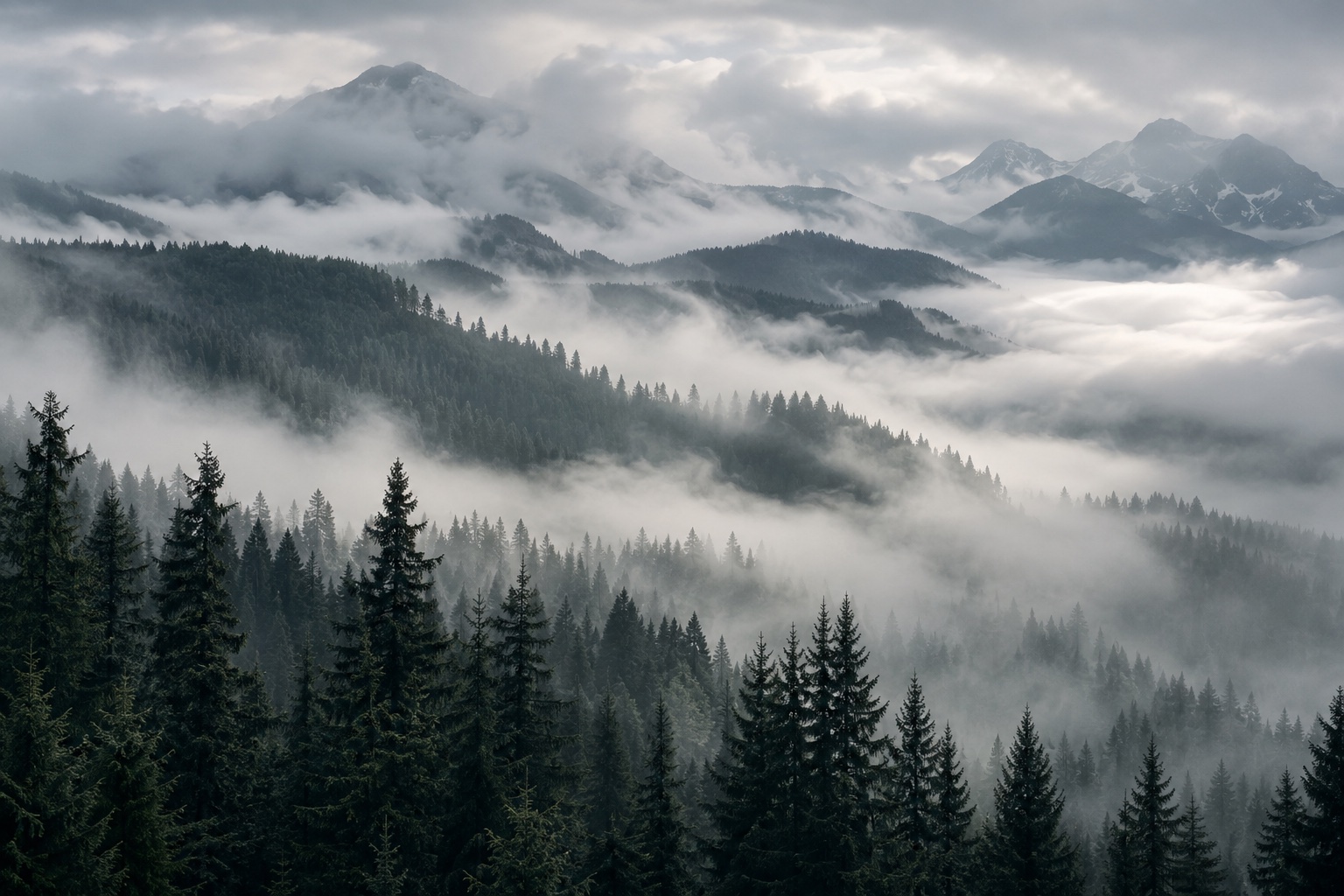
Silver fog drifting between dark evergreen mountain ridges

Chapter 01 / Fog

When the world
disappears.

Disappearance

A study in distance, softened to almost nothing.01 / 05

The familiar becomes unfamiliar. Distance dissolves. For a moment, the world is only what is close enough to touch.
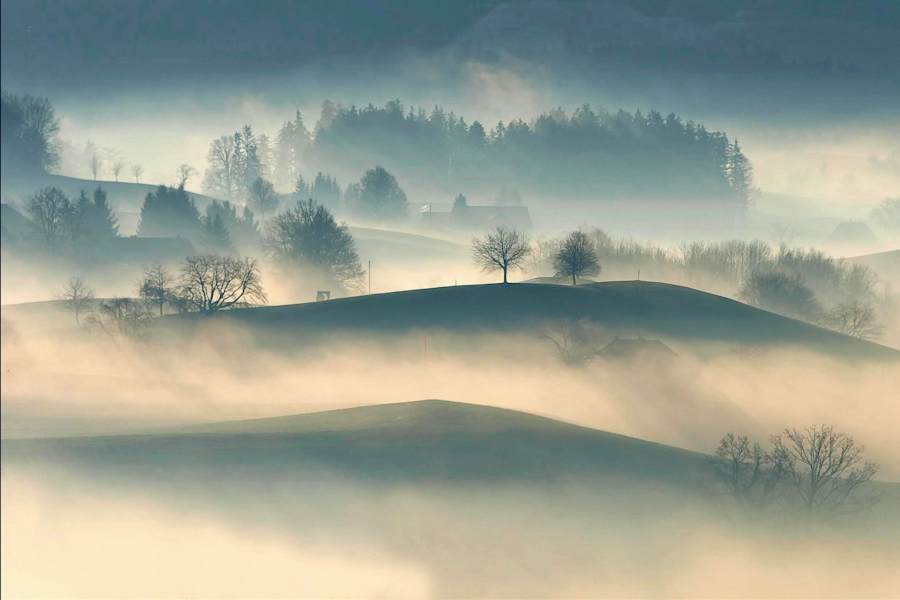
Layers of rolling hills and silhouetted trees emerging through pale morning fog
Detail study / fogRicardo Gomez Angel / Unsplash ↗

Small weather / Look closer

Where the hills
dissolve.

Trees rise like islands from the pale mist. Each ridge appears, softens, and slips away, turning a familiar landscape into layers of light and distance.

In motion / The air becomes visible
MOIST AIRCOOLINGWater vapourTiny droplets
Water vapour condenses into tiny droplets.Illustration · not to scale
Read the science ↗

Behind the weather

A cloud, brought down to earth.

Fog is a suspension of tiny water droplets near the ground. It often forms when moist air cools to its dew point, allowing water vapour to condense. A clear night can cool the ground and the air above it; warm, moist air moving across a colder surface can create fog another way.

There is no single landscape of fog. It gathers in valleys, arrives from the sea, or settles over a field before dawn. The place is still there. What changes is how much of it we can see.

Met Office · What is fog?
02 / Arrival

A different rhythm is gathering.

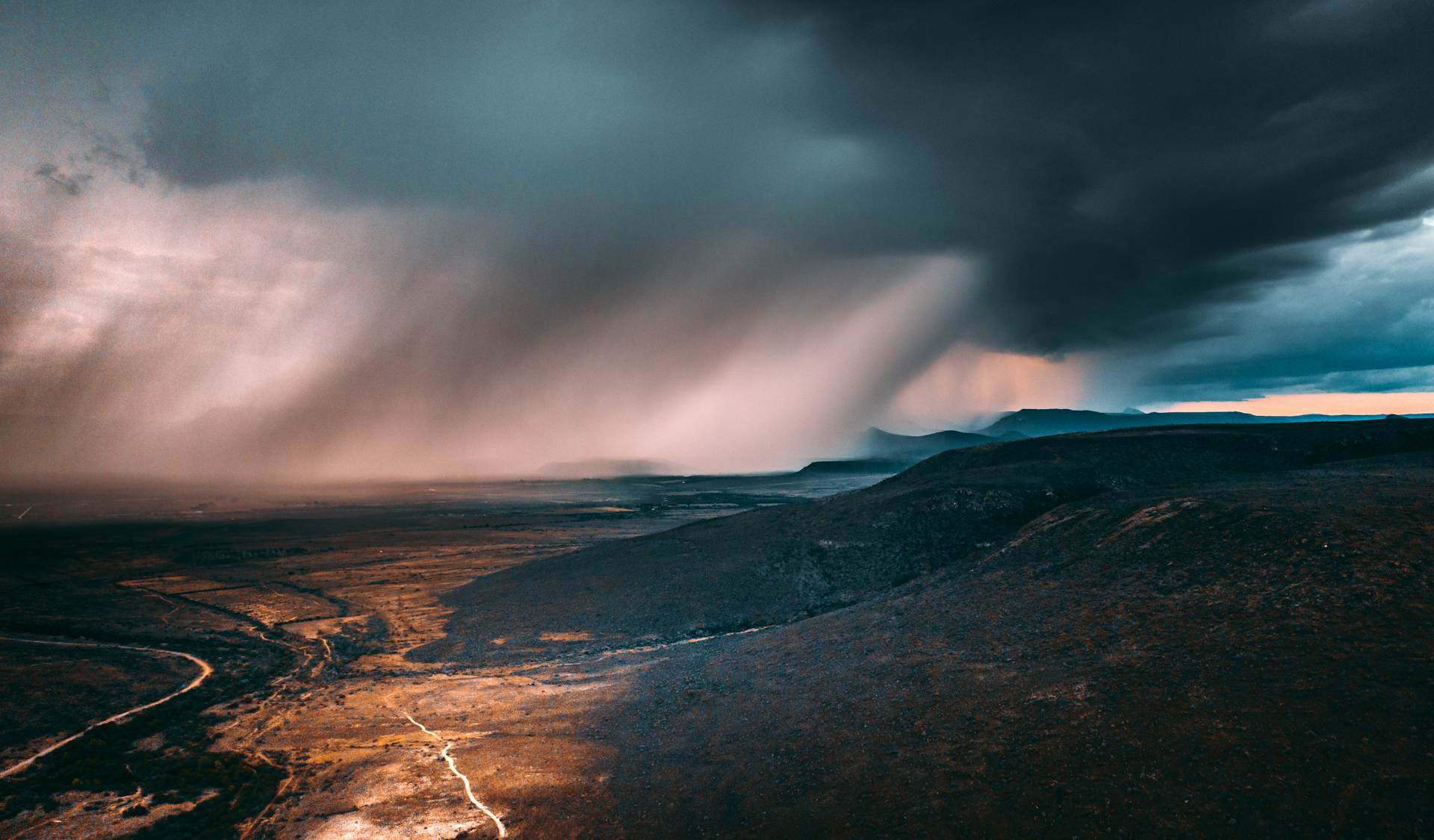
A sweeping rainstorm beneath dark clouds over a rugged mountain landscape

Chapter 02 / Monsoons

Then, the rain
arrives.

Arrival

Photo: redcharlie / Unsplash ↗02 / 05

Before the first drop, there is the waiting. Then the air changes, the hills recede, and everything has a different rhythm.

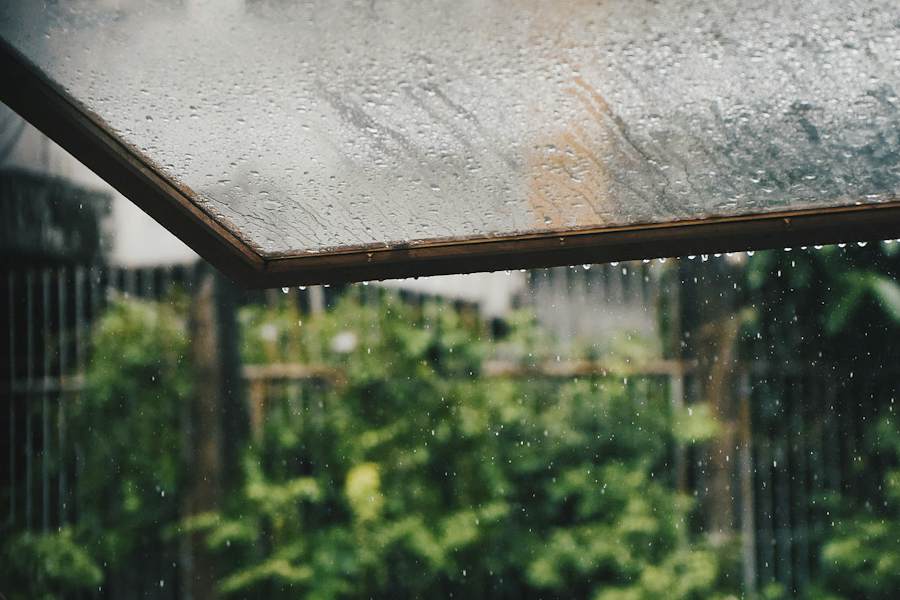
Rain droplets on an open window above a green garden
Detail study / monsoonsSuhyeon Choi / Unsplash ↗

Small weather / Look closer

Rain, at
arm’s length.

On the window, the weather becomes a collection of individual drops.

In motion / A season changes direction
MOISTURE-BEARING WINDSSeaLand / wet phase
Moisture-bearing winds bring rain over land.Illustration · not to scale
Read the science ↗

Behind the weather

A season written in wind.

A monsoon is a seasonal change in winds and the circulation of the atmosphere. In its wet phase, that shift carries moisture into a region and can bring sustained periods of rain and thunderstorms. The downpour is the visible part of a much larger seasonal pattern.

Rain arrives in pulses, with quieter intervals between them. Across a landscape, the same season may mean replenished soil, rising rivers, interrupted journeys, or a long-awaited release from heat.

National Weather Service · The monsoon
03 / Release

The air holds its breath.

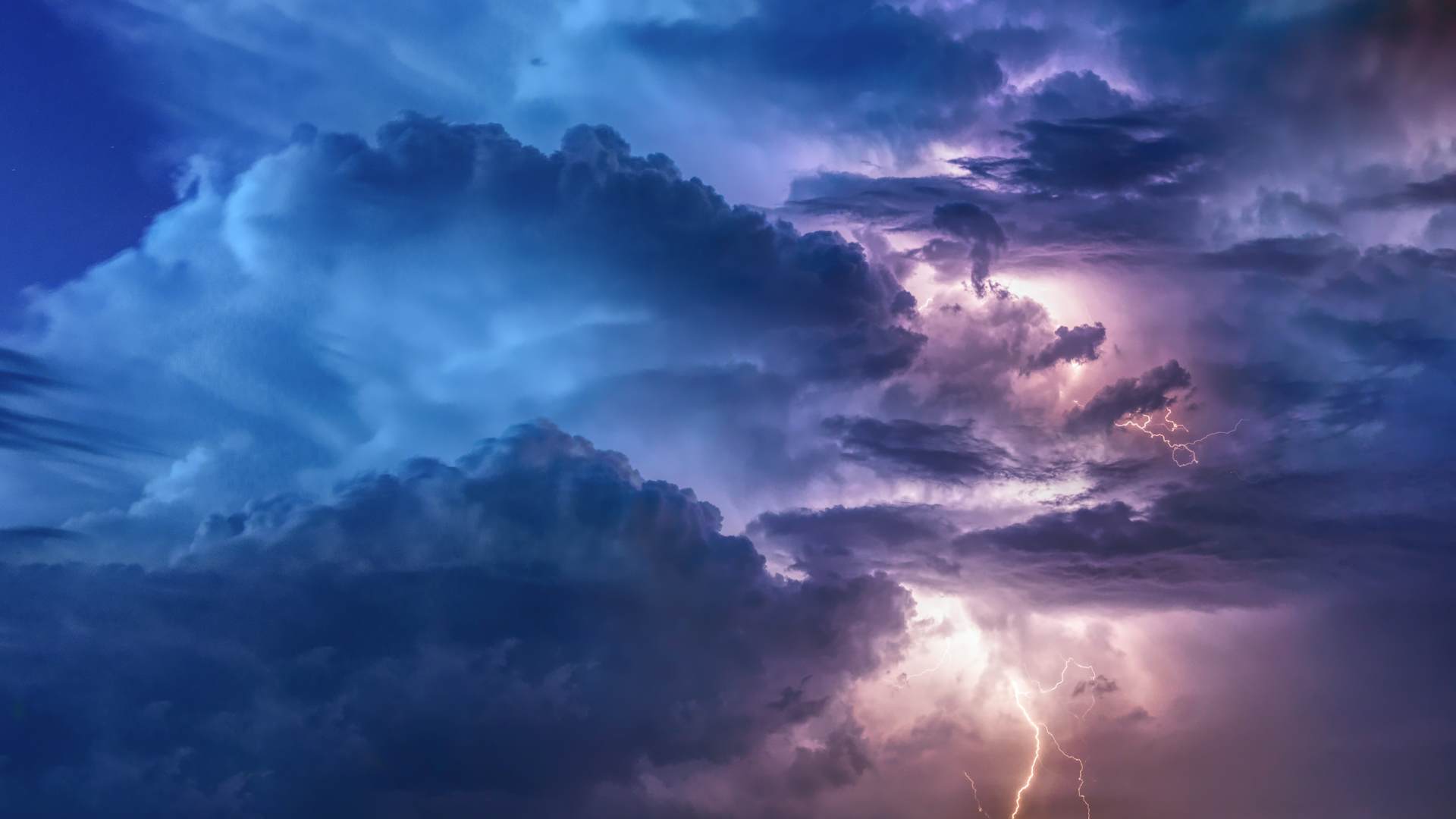
Lightning illuminating dramatic blue and violet storm clouds

Chapter 03 / Lightning

A moment.
An entire sky.

Release

Photo: Felix Mittermeier / Unsplash ↗03 / 05

For an instant, the dark has edges. A line of light connects what seemed separate. The sound comes after.

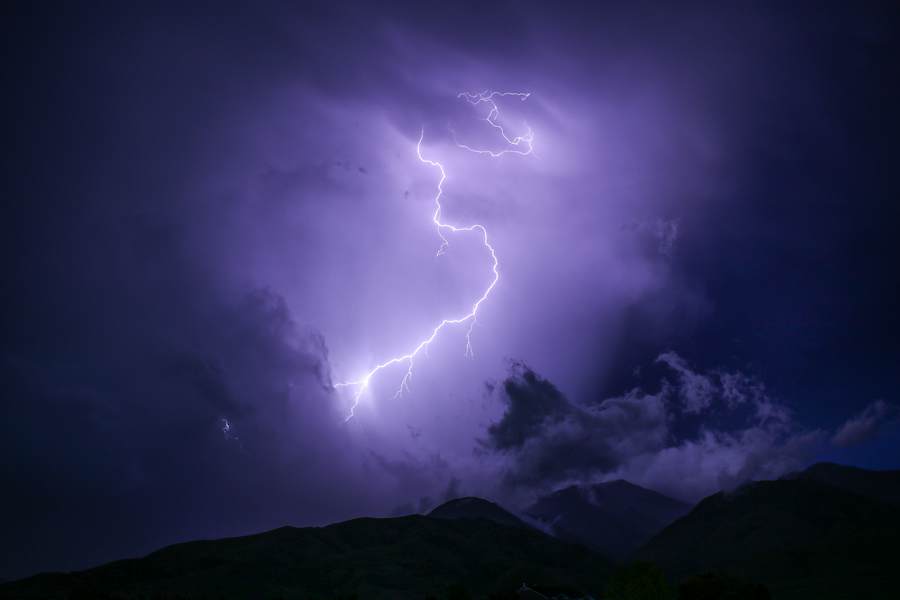
Violet lightning branching across a stormy night sky above dark hills
Detail study / lightningLayne Lawson / Unsplash ↗

Small weather / Look closer

The shape
of a second.

A branching flash reveals the clouds above a dark horizon. For a moment, the night has edges.

In motion / A sky divided by charge
Upper region +Lower region −
Upper and lower cloud regions carry different charges.Illustration · not to scale
Read the science ↗

Behind the weather

The atmosphere lets go.

Lightning is a rapid electrical discharge. When the difference between charges becomes large enough, air can no longer act as an insulator. The discharge can happen within a cloud, between clouds, or between a cloud and the ground.

The flash heats the surrounding air very quickly. Its rapid expansion produces the sound wave we hear as thunder. Light reaches us much faster than sound, separating one event into two distinct moments.

National Weather Service · Lightning science
A closer look / TornadoesA photographic interlude
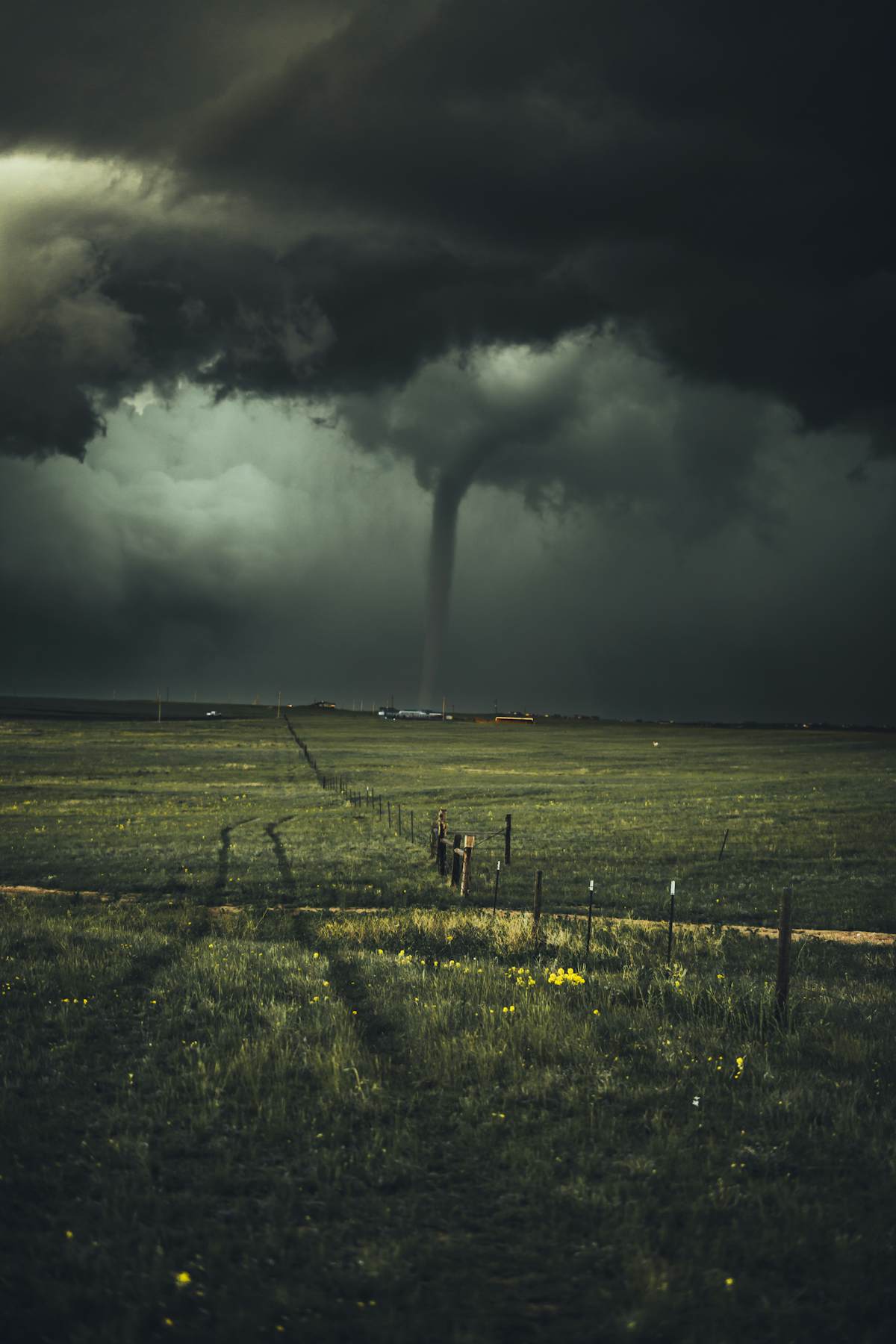
A slender tornado beneath dark storm clouds over a green field in Wyoming, with a fence leading toward the horizon
“Twister” · Wyoming, United StatesNikolas Noonan / Unsplash ↗

The atmosphere, concentrated

Where the sky
meets the earth.

A field. A fence. A familiar horizon.
Then one line changes everything.

In Nikolas Noonan’s photograph, the fence draws the eye across the grass before the funnel takes it upward. The field is bright enough to reveal flowers. Above it, the cloud almost fills the frame. The scale of the sky makes that narrow column feel even more extraordinary.

Behind the photograph

A column, not just a cloud.

A tornado is a violently rotating column of air connecting a thunderstorm to the ground. The visible funnel can reveal part of that circulation, but the air itself is invisible. A tornado can reach the ground even when its condensation funnel does not appear to.

Explore the science at NOAA

Vast sky.
One narrow point.

The art of noticing

Look again at the foreground. The fence, the flowers, the tracks in the grass. Ordinary details give an extraordinary sky its measure.

Continue to Snow
04 / Stillness

The world turns down its volume.

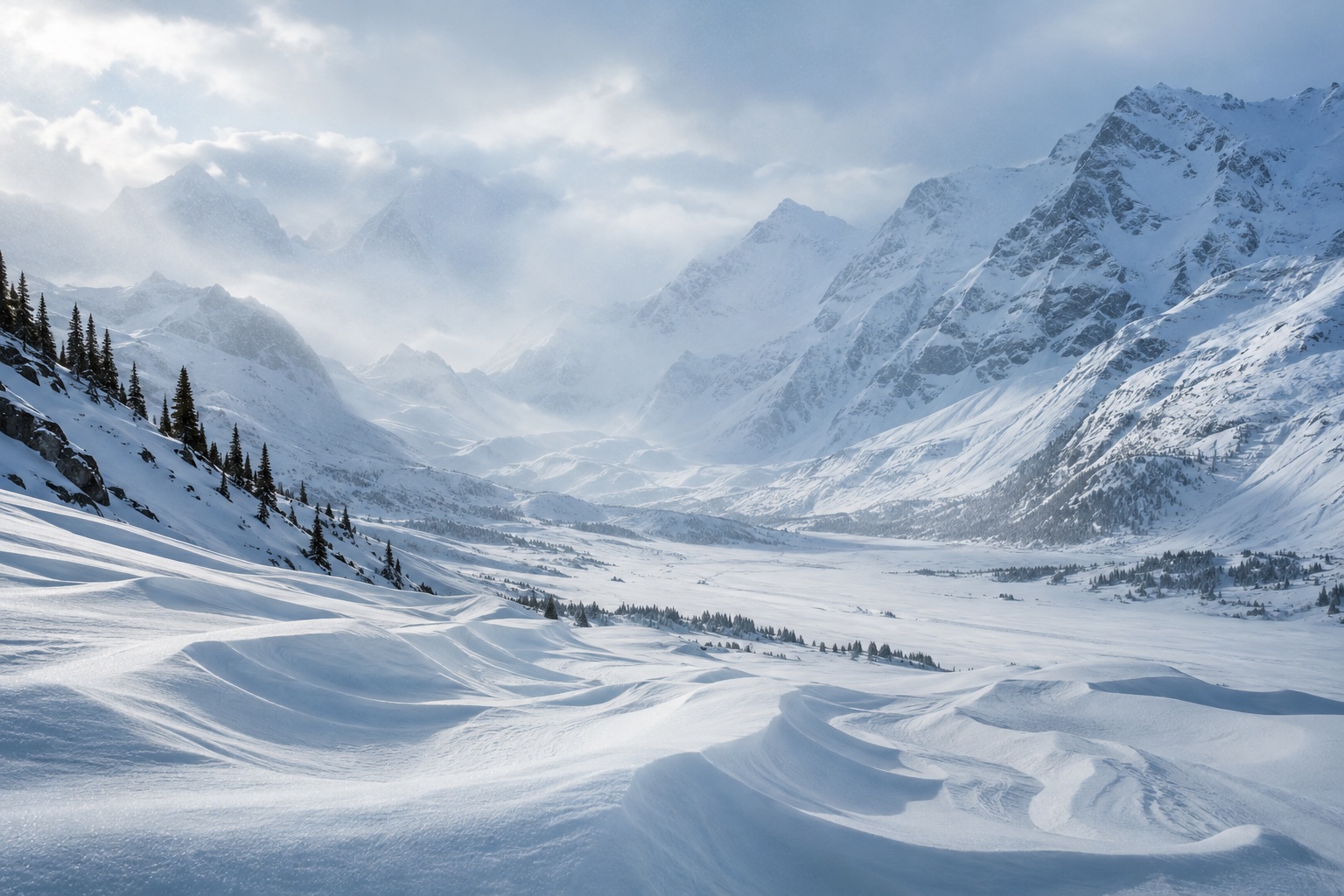
A quiet alpine valley beneath pale snowy mountains and scattered pines

Chapter 04 / Snow

The shape
of quiet.

Stillness

A landscape reduced to light, shadow, and a few dark trees.04 / 05

The edges soften. Tracks become a record of passing. A landscape we thought we knew begins again in white.

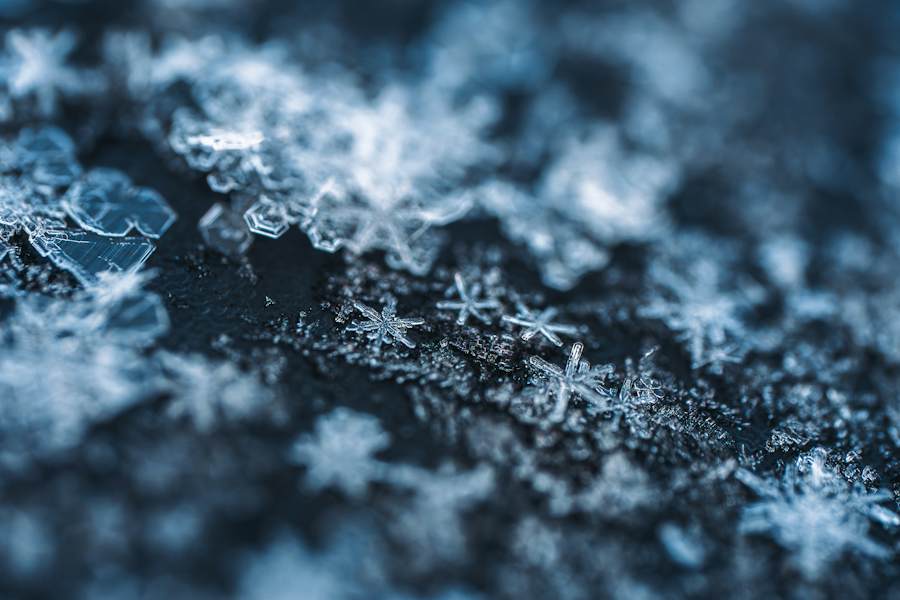
Macro photograph of delicate snowflakes and frost crystals
Detail study / snowKristīne Zāle (Macro Viewpoint) / Unsplash ↗

Small weather / Look closer

Winter, in
miniature.

At this scale, a white surface becomes an intricate landscape of individual crystals.

In motion / How a crystal grows
WATER VAPOUR → ICEDeposition onto a growing, six-sided crystal
Water vapour adds to the growing ice crystal.Illustration · not to scale
Read the science ↗

Behind the weather

A journey made of crystals.

Snow begins with ice crystals in cold clouds. As they grow and gather together, they form snowflakes. Temperature and moisture influence the shapes they take, while the air below the cloud helps determine whether they reach the ground as snow or melt on the way down.

What settles is never quite a blank page. Wind leaves ridges. Branches hold small white contours. A footprint changes the surface, and another snowfall can begin to erase it.

Met Office · How snow forms
A night passage / At seaAn imagined night

Between water and weather

When the sea
holds the sky.

One small sail. Two impossible infinities.

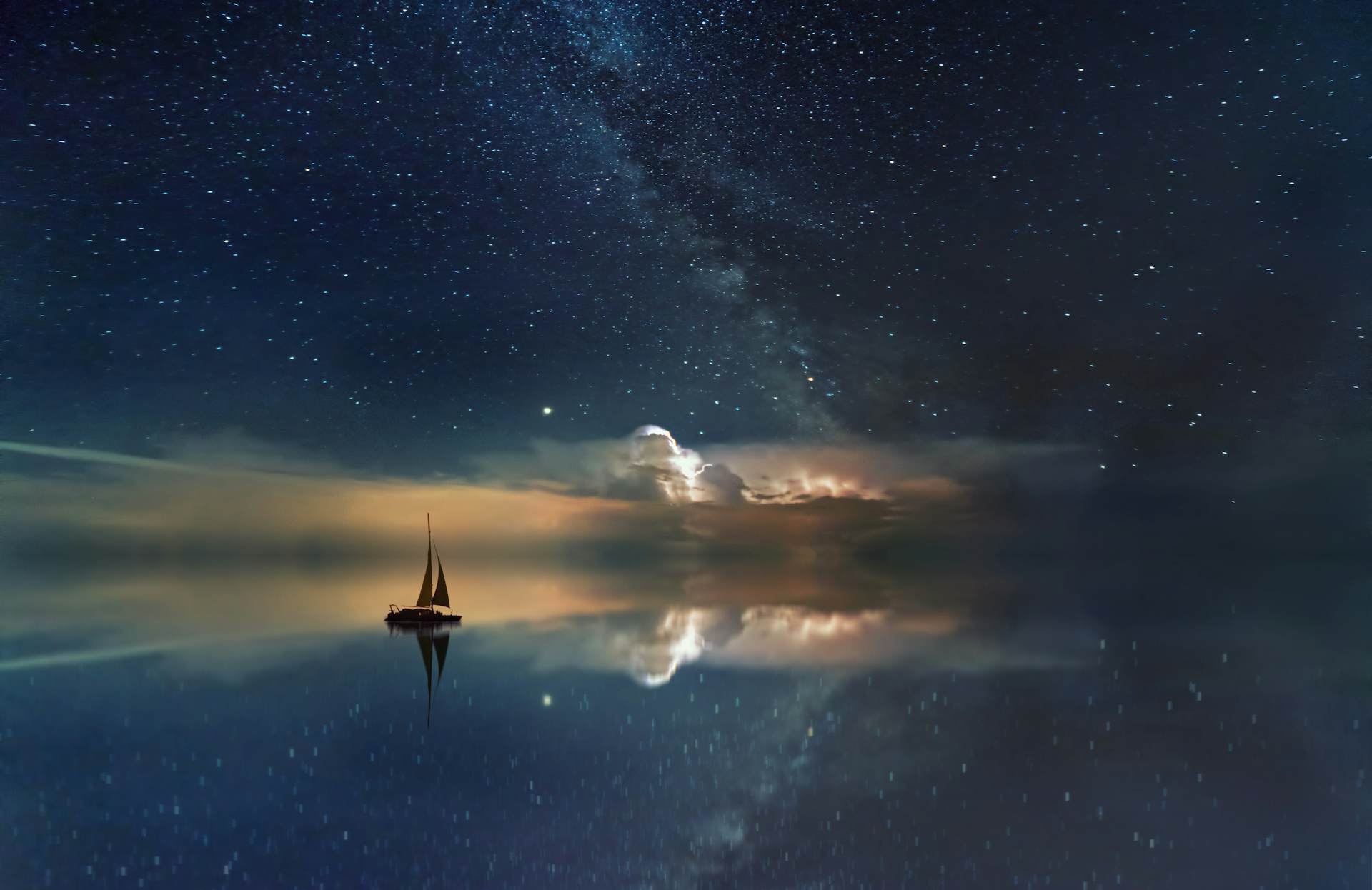
Dreamlike artwork of a silhouetted sailboat on still water beneath a star-filled sky, with illuminated clouds and their reflections
“Star reflection” · digital artworkJohannes Plenio / Unsplash ↗
A night passage

The horizon
is a feeling.

Original fiction
Inspired by the artwork

For a while, I could not tell where the water ended. The boat moved through a darkness that seemed to have depth above and below us.

A little air reached the sail. The rigging answered with a soft, familiar sound, and that was enough to bring the world back to its ordinary scale: canvas, rope, the small wooden edge beneath my hand.

Far away, light gathered behind a bank of cloud. Its reflection trembled once. We watched it without speaking. Out here, the sky felt less like something overhead than something we were passing through.

Then the wind returned.
And the night became a journey again.

Every atmosphere leaves a traceContinue to Desert winds
05 / Movement

Quiet gives way to movement.

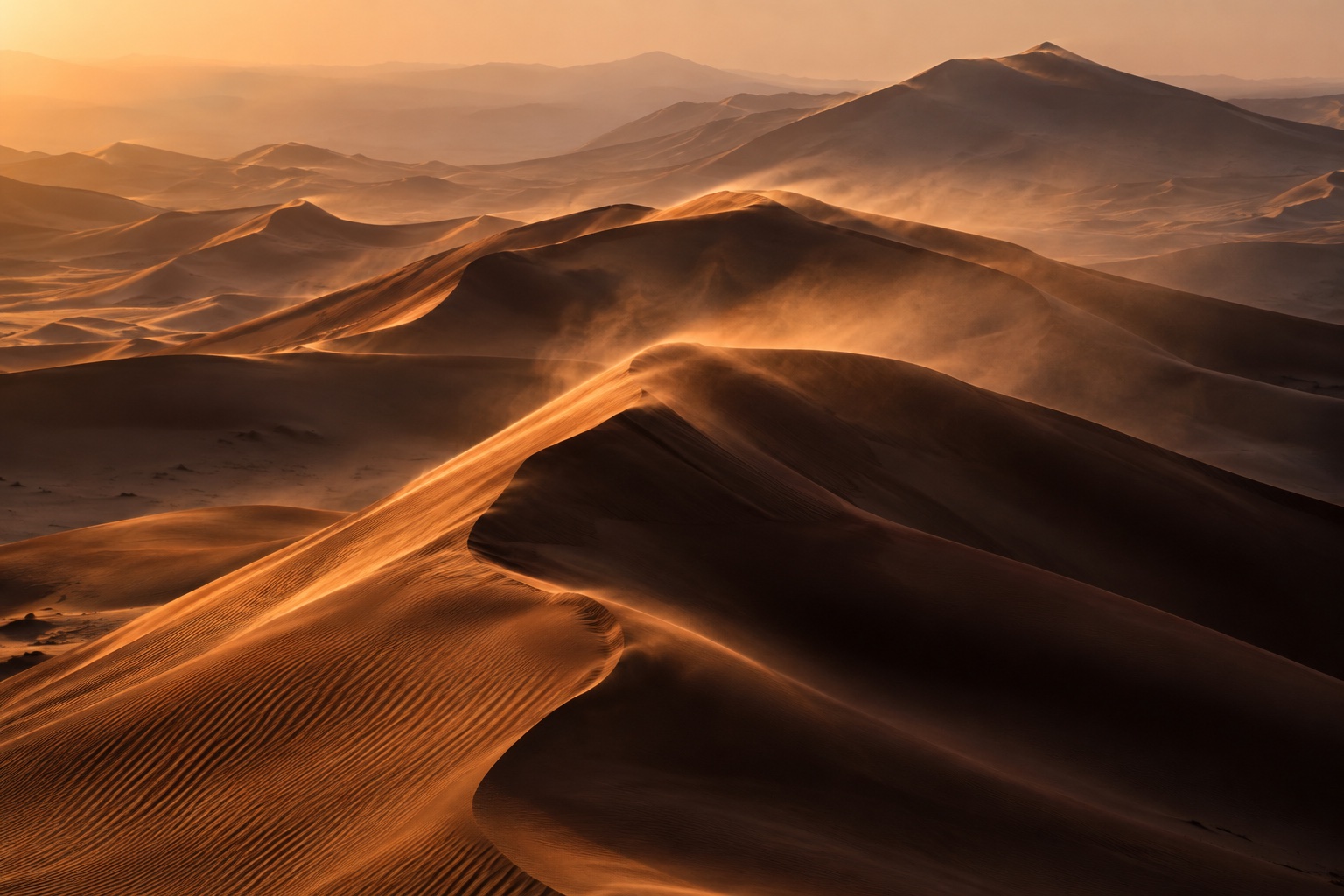
Copper desert dunes with wind carrying sand over their ridgelines

Chapter 05 / Desert winds

Nothing here
stands still.

Movement

The wind makes its own map, then redraws it.05 / 05

Even the ground is travelling. Fine grains lift from the ridges, carrying the desert into the air.

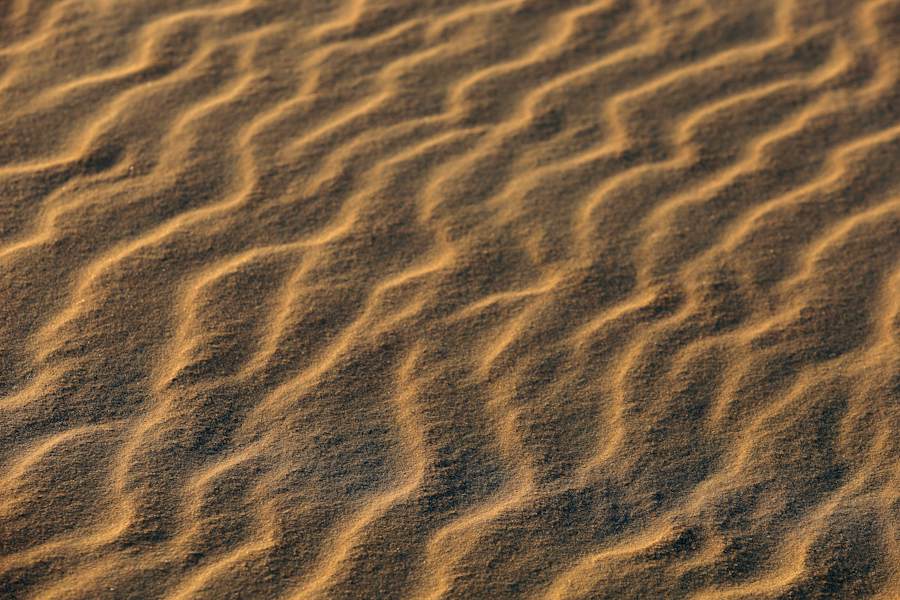
Close-up of fine wind-shaped sand ripples in warm light
Detail study / desert windsPedro Kümmel / Unsplash ↗

Small weather / Look closer

The wind
leaves a rhythm.

Light and shadow turn each small ridge into a trace of movement.

In motion / The ground learns to move
WINDSaltation: grains move in short, bouncing hops
Hopping grains strike the surface and can dislodge others.Illustration · not to scale
Read the science ↗

Behind the weather

A landscape on the move.

Strong winds can lift loose sand and dust from dry ground. Coarser grains tend to stay closer to the surface, while fine dust can rise into the atmosphere and travel great distances. Winds high above the ground can carry that dust far beyond the desert where it began.

From a distance, a dune can look permanent. Up close, movement is everywhere: a small stream of grains over a crest, a shifting edge, a fine haze that changes the colour of the horizon.

Met Office · Wind and Saharan dust

Five chapters. One changing world.

Every atmosphere
leaves a trace.

A distance softened. A rhythm changed. A moment held in light.
Return to the weather that stayed with you.

The story continues outsideWatch the sky again

Chapters & stories

Choose an atmosphere.

About this anthology

Weather
Stories.

An invitation to notice what is passing overhead.

This anthology brings together atmospheric imagery, short explanations, and imagined moments of life in the weather. Move through it in order, or begin with the sky that calls to you.

Images & writing

The hero features a photograph by Nick Scheerbart on Unsplash. Three chapter landscapes are AI-generated atmospheric illustrations. The lightning chapter features a photograph by Felix Mittermeier / Unsplash. The rain chapter features a photograph by redcharlie / Unsplash. The tornado interlude features a photograph by Nikolas Noonan on Unsplash, used under the Unsplash License. The closing night passage features “Star reflection,” a digital artwork by Johannes Plenio / Unsplash. The first-person field notes and night passage are original fiction, clearly labeled throughout. Science references appear in each chapter.

A quieter experience

Animations automatically respect your device’s reduced-motion preference. This site includes no automatic sound.