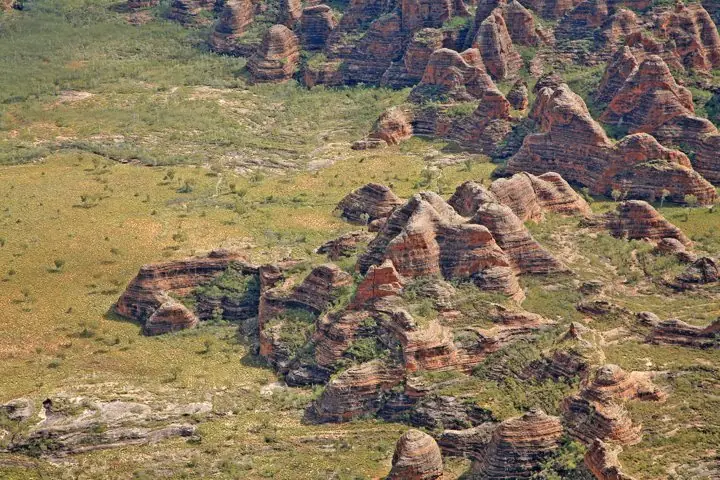
A coastal sand sea.
Sediment travels from inland rivers to the coast before wind carries it into the dunes.
LANDSCAPE KEY Transport
01 / The landscape
A dune is a journey made visible.
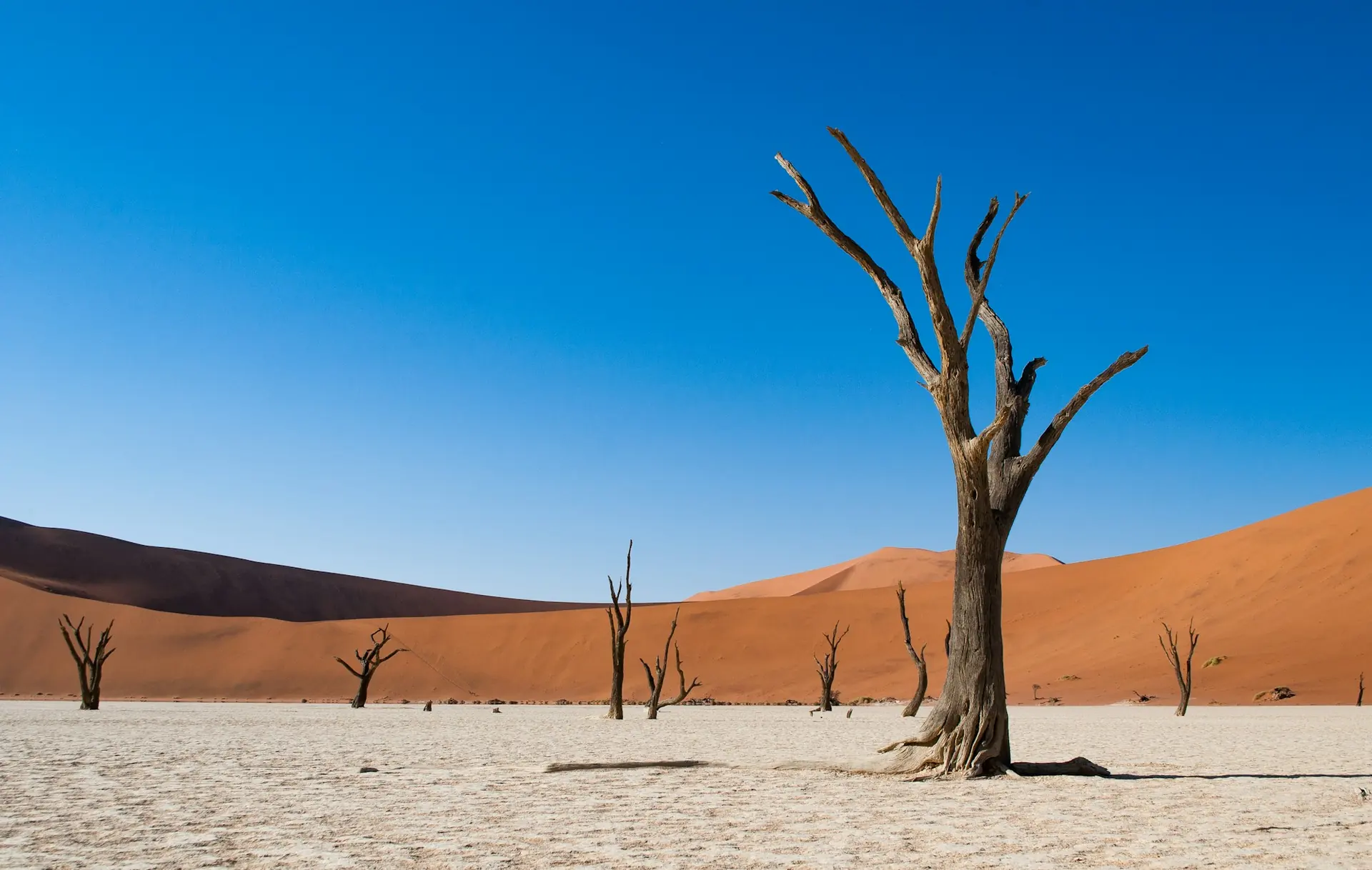
Dunes assemble into vast ridges near the Atlantic. Their sand has travelled far, and much of the life between them depends on fog.
One detail to remember
Fog
water from the air
A desert sustained by moisture arriving from the coast.
Source / UNESCO · Namib Sand Sea02 / Landscape anatomy
Three ways to read Namib Desert.
A field guide to what you’re seeing.
Sediment travels from inland rivers to the coast before wind carries it into the dunes.
Wind redistributes sand into ridges, crests and fine surface ripples.
Coastal fog helps sustain organisms in a landscape with little rainfall.
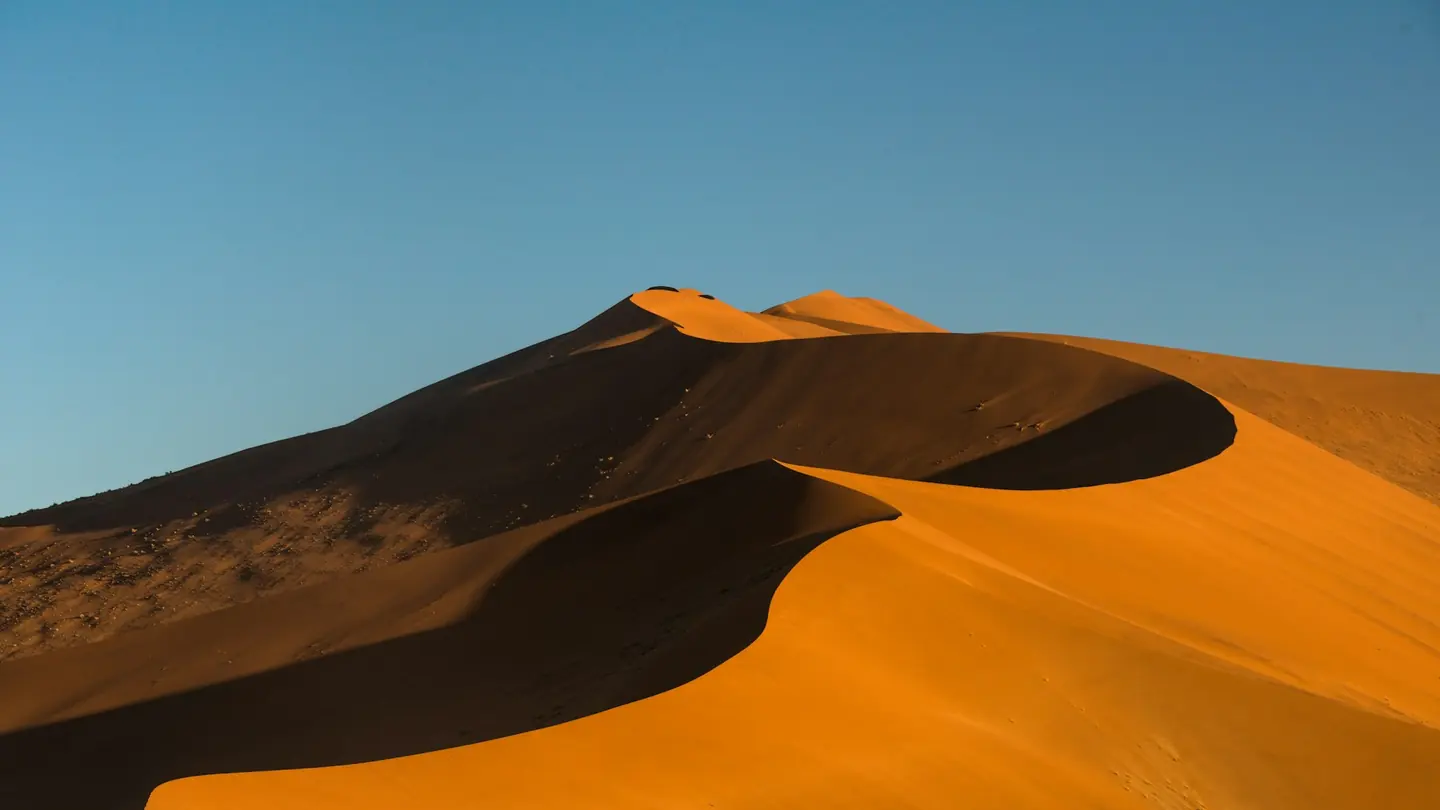
A moving surface.
An ancient sand archive.
Behind the view
The Namib Sand Sea is built by a remarkable sequence of transport. Rivers bring sediment from inland Africa, ocean currents redistribute it along the coast, and wind carries it into dunes. An older, partly consolidated dune system lies beneath the active one. This is also a fog desert: moisture arriving from the coast helps sustain organisms adapted to a place where rainfall is scarce. Dune shape and biological survival are both expressions of moving air.
03 / The human story
Resources, protection.
A landscape shaped by choices.
The protected sand sea has a history beyond its dunes. UNESCO records that parts were once shielded from development because of potential diamond-mining interests, before long-term conservation management became the defining framework. That history changes how the apparent emptiness reads: it is also a landscape shaped by decisions about access and resources. Its present protection sits within the much larger Namib-Naukluft Park.
04 / Across time
Changing winds remake dune crests and fine ripples. Coastal fog can soften the horizon, while clear light exposes the enormous relief of the sand sea.
Changes in wind direction reshape dune surfaces and their fine ripples.
Fog changes visibility while supplying moisture to desert-adapted life.
The dunes are not still, even when their scale makes them seem permanent. Daily and seasonal changes in wind direction reshape their surfaces and produce different dune forms. Beneath those shifting ridges lies an older sand archive. Fog introduces another rhythm, altering visibility and delivering moisture to organisms whose lives depend on this narrow connection between desert and ocean.
Keep looking / Sources & photography
Hero: Sam Power / Unsplash License · Resized and WebP compressed; cropped for display.
Second photograph: Andrew Svk / Unsplash License · Resized and WebP compressed; cropped for display.